
Mounjaro heartburn: why it happens and relief
Mounjaro heartburn can happen as digestion slows. See likely causes, relief steps, warning signs, and how to get clinician-guided care.
Key facts
- Tirzepatide + B12 is $169/month (billed $169 every 4 weeks), charged only after a clinician approves it.
- Answer a few health questions online. A licensed clinician reviews them. If approved, it ships to your door.
- Adults 18 or older. A licensed clinician reviews your health history and decides whether treatment is appropriate for you. Availability depends on the state you live in.





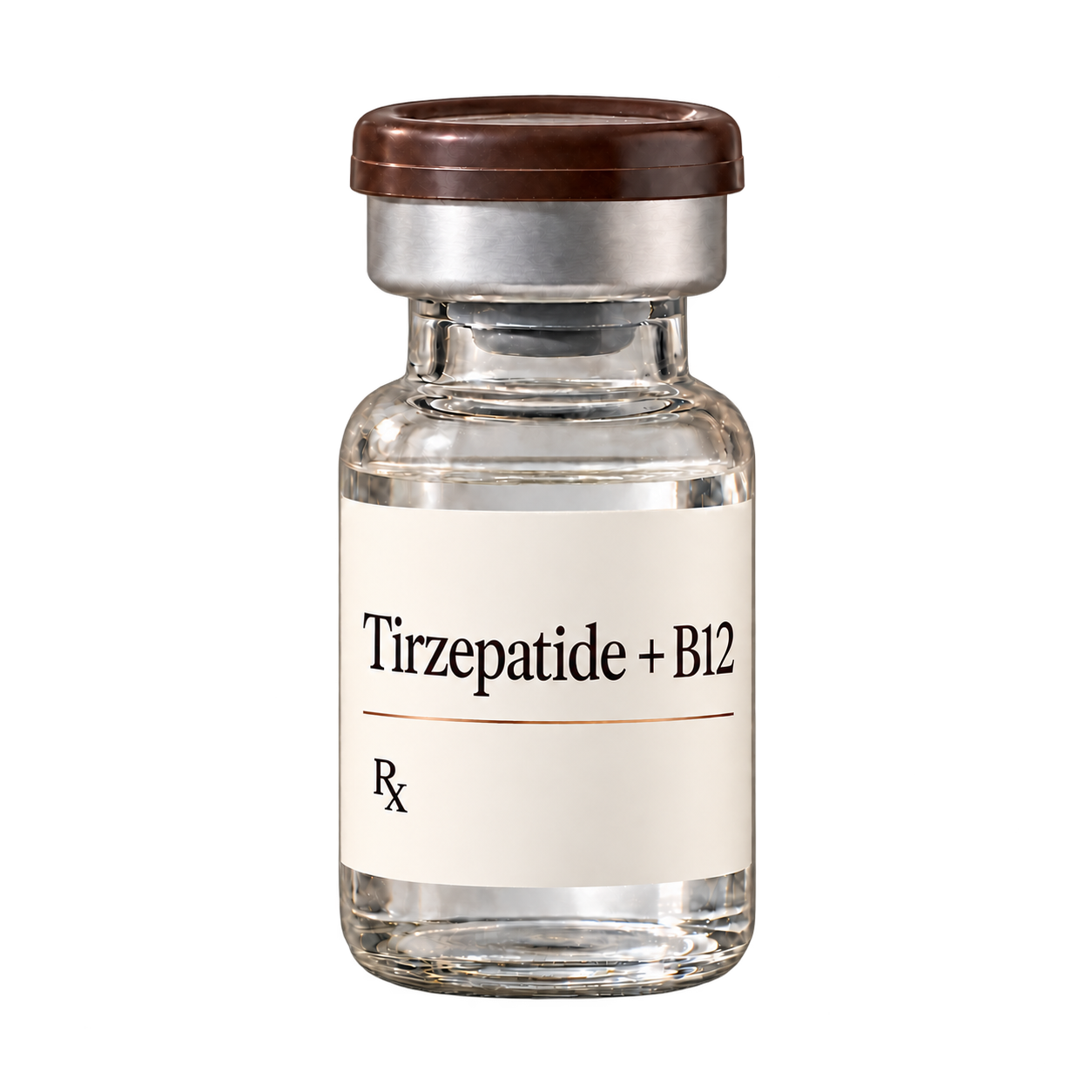
Mounjaro heartburn is how many people describe new or worse acid reflux symptoms after starting tirzepatide. GLP-1 based medicines can slow stomach emptying, which may increase burping, fullness, and burning discomfort behind the breastbone. This page explains why it can happen, what usually helps, and when symptoms need medical attention. If you are exploring options, Vitals Vault can connect you with clinician-guided care after a licensed clinician reviews your history.
- Mounjaro heartburn can happen, often tied to slowed stomach emptying and reflux symptoms.
- Smaller meals and avoiding lying down after eating often help; ask a clinician about reflux medicines.
- Get urgent care for chest pressure, trouble breathing, black stools, or vomiting blood.
- Mounjaro is a brand; Vitals Vault offers compounded tirzepatide, which is not FDA-approved.
What Mounjaro heartburn means
Heartburn is a symptom
Heartburn is a burning feeling in the chest or throat that often comes from acid reflux, when stomach contents move back into the esophagus. People may also notice a sour taste, burping, or symptoms that worsen after meals. It is a symptom, not a diagnosis.
Often overlaps with nausea
With tirzepatide, upper stomach discomfort can feel like heartburn, nausea, indigestion, or bloating. These can overlap, especially early in treatment or after dose increases. A clinician can help sort out reflux versus other causes.
Brand vs compounded matters
Mounjaro is the brand name for tirzepatide injection. Vitals Vault offers tirzepatide as a compounded medication, not Mounjaro, and compounded medications are not FDA-approved.
Not always medication-related
Heartburn can also be triggered by large meals, higher-fat foods, alcohol, smoking, certain medications, or underlying reflux disease. If symptoms are severe, persistent, or new with alarm signs, do not assume it is only a side effect.
Why tirzepatide can contribute to reflux symptoms
Slower stomach emptying
Tirzepatide can slow gastric emptying, meaning food stays in the stomach longer. When the stomach is fuller for longer, reflux symptoms like heartburn and regurgitation may be more likely, especially after larger meals. This effect is described in the prescribing information.
GI side effects are expected
The most common side effects of tirzepatide are gastrointestinal, including nausea, diarrhea, decreased appetite, vomiting, constipation, dyspepsia, and abdominal pain. Some people experience these as heartburn or indigestion. How often they occur depends on dose and individual tolerance.
Dose changes can be a trigger
GI symptoms often show up after starting therapy or increasing the dose. If heartburn appears around those times, it can be a clue that your body is adjusting. A clinician can decide whether pacing, supportive care, or evaluation for reflux is appropriate.
May affect oral drug absorption
Because tirzepatide slows gastric emptying, it can affect absorption of oral medications. If you rely on time-sensitive oral drugs, tell your clinician, especially if reflux treatments are also being added. The label highlights this consideration.
Who may be a good candidate to discuss
People considering GLP-1 care
If you are considering tirzepatide-based treatment and want to understand side effects like heartburn ahead of time, it helps to review your reflux history, current medications, and typical eating patterns with a clinician. That context can guide prevention and monitoring.
Those with mild reflux history
If you have occasional heartburn, you may still be able to use tirzepatide with a plan for symptom control. A clinician may recommend meal adjustments and, when appropriate, reflux medicines that fit your health history. You should not self-treat persistent symptoms without evaluation.
People who can monitor symptoms
Tracking when heartburn happens, what you ate, and whether it follows dose changes can help a clinician identify patterns. This is especially useful if symptoms are new, worsening, or interfering with sleep. Bring this information to your visit.
Who should not take tirzepatide
Personal or family MTC or MEN2
Tirzepatide has a boxed warning about thyroid C-cell tumors seen in rats, and it is contraindicated in people with a personal or family history of medullary thyroid carcinoma (MTC) or in people with Multiple Endocrine Neoplasia syndrome type 2 (MEN2). Discuss any thyroid cancer history with your clinician.
Prior serious hypersensitivity
Do not use tirzepatide if you have had a serious hypersensitivity reaction to tirzepatide or any of its excipients. Signs can include swelling of the face, lips, tongue, or throat, or trouble breathing. Seek emergency care for symptoms of anaphylaxis.
Situations needing extra caution
Some conditions are not absolute contraindications but may require careful risk review, such as a history of pancreatitis, gallbladder disease, severe gastrointestinal disease, kidney problems, or diabetic retinopathy in people with diabetes. Your clinician decides whether benefits outweigh risks.
What to expect if heartburn happens
Often early and dose-related
Many GI side effects are most noticeable when starting tirzepatide or after dose increases, then may improve as your body adjusts. If heartburn is mild and you can eat and drink normally, clinicians often focus on supportive strategies. Persistent or severe symptoms need evaluation.
Practical relief strategies
Common approaches include smaller meals, avoiding lying down soon after eating, and limiting trigger foods that worsen reflux for you. Some people benefit from clinician-approved antacids, H2 blockers, or proton pump inhibitors, depending on symptoms and other medications. Ask before adding new medicines.
When to consider other causes
If symptoms are new and intense, wake you from sleep, or come with vomiting, trouble swallowing, or weight loss you did not intend, a clinician may evaluate for reflux disease, ulcers, gallbladder problems, or other GI conditions. Do not assume it is only a side effect.
What to document for your visit
Write down when the burning starts, whether it follows meals, which foods trigger it, and whether you also have nausea, vomiting, or abdominal pain. Also note any over-the-counter products you tried and whether they helped. This helps a clinician choose the safest next step.
| What you notice | What it can mean | What to do next |
|---|---|---|
| Burning after large meals or late meals | Reflux triggered by stomach fullness and slower emptying | Try smaller meals and avoid lying down after eating; discuss reflux options with a clinician. |
| Heartburn with frequent vomiting | GI intolerance or another condition needing evaluation | Contact a clinician promptly, especially if you cannot keep fluids down. |
| Burning plus severe upper abdominal pain | Could be reflux, but pancreatitis or gallbladder disease must be considered | Seek urgent medical evaluation, especially if pain is persistent or severe. |
| Chest pressure or shortness of breath | Possible heart-related symptoms, not just reflux | Seek emergency care. |
Side effects and safety considerations
Dyspepsia and reflux symptoms
Indigestion (dyspepsia) is listed among common adverse reactions with tirzepatide, and some people experience it as heartburn. Eating smaller meals and avoiding trigger foods can help, and a clinician may recommend reflux medication if appropriate. Tell your clinician if symptoms are persistent or worsening.
Nausea, vomiting, constipation
Nausea, vomiting, and constipation are common with tirzepatide and can worsen reflux symptoms by increasing stomach pressure or delaying emptying. Staying hydrated and adjusting meal size and fat content may help, but ongoing vomiting or inability to keep fluids down needs prompt medical advice. Severe symptoms can lead to dehydration and kidney stress.
Gallbladder disease
GLP-1 based therapies, including tirzepatide, carry warnings for acute gallbladder disease. Symptoms can include right upper abdominal pain, fever, jaundice, or persistent nausea and vomiting. Seek medical evaluation if these occur, because gallbladder problems can be serious and may feel like upper abdominal burning.
Pancreatitis
Tirzepatide labeling warns about acute pancreatitis. Seek urgent care for severe, persistent abdominal pain that may radiate to the back, with or without vomiting. Do not try to manage this at home as “heartburn.”
Kidney problems from dehydration
The label warns that severe GI reactions can lead to dehydration, which may worsen kidney function. Contact a clinician if you have ongoing vomiting or diarrhea, dizziness, or reduced urination. This matters because reflux symptoms sometimes occur alongside significant fluid loss.
Thyroid C-cell tumor warning
Tirzepatide has a boxed warning for risk of thyroid C-cell tumors based on animal studies. It is contraindicated with a personal or family history of MTC or MEN2. Call your clinician if you notice a neck mass, hoarseness, trouble swallowing, or shortness of breath.
Cost and access
What drives cost
Your out-of-pocket cost can depend on formulation (brand versus compounded), dose and supply, whether a clinician requires baseline labs, and whether follow-up visits are included. Pharmacy fulfillment and state rules can also affect access. Current prices, when available, are shown on this page in the price block.
Insurance and coverage
Coverage varies widely by plan and by the indication your clinician documents. Some plans cover GLP-1 medicines for type 2 diabetes more readily than for weight management, and prior authorization is common. If you are using a compounded medication, insurance coverage is often different than for brand products.
Why availability varies by state
Telehealth prescribing rules, pharmacy fulfillment, and clinician licensing requirements differ by state. That is why a program may be available in one state but not another. A licensed clinician reviews your history and can confirm what is available where you live.
How to get clinician-guided care
- 1
Complete an intake
Share your health history, current medications, and any reflux or GI symptoms you already have.
- 2
Clinician review
A licensed clinician reviews your information and decides whether tirzepatide-based care is appropriate.
- 3
Labs if requested
A clinician may ask for recent lab results before prescribing, especially if you have risk factors.
- 4
Ongoing follow-up
If you start treatment, plans include clinician consults and ongoing support to address side effects like heartburn.
Frequently Asked Questions
Does Mounjaro cause heartburn?
It can. Tirzepatide can slow stomach emptying and commonly causes gastrointestinal side effects such as dyspepsia, nausea, and vomiting, which some people experience as heartburn or reflux. If symptoms are persistent, severe, or come with chest pain or vomiting blood, seek medical care.
How can I relieve mounjaro heartburn while on tirzepatide?
Many people do better with smaller meals, avoiding lying down after eating, and limiting trigger foods. A clinician may also recommend an antacid, H2 blocker, or proton pump inhibitor based on your history and other medications. Ongoing or worsening symptoms should be evaluated.
When is heartburn on tirzepatide an emergency?
Seek emergency care for chest pressure, shortness of breath, fainting, black stools, vomiting blood, or severe persistent abdominal pain. These can signal conditions that should not be managed as simple reflux. Contact a clinician promptly if you cannot keep fluids down.
Can tirzepatide interact with my other medicines because of heartburn treatment?
Possibly. Tirzepatide slows gastric emptying, which can affect absorption of oral medications, and some reflux medicines can also change how other drugs are absorbed. Tell your clinician and pharmacist everything you take, including over-the-counter antacids and supplements.
Is the tirzepatide from Vitals Vault the same as Mounjaro?
No. Mounjaro is a brand product, while Vitals Vault offers tirzepatide as a compounded medication, not Mounjaro. Compounded medications are prepared by a licensed pharmacy for an individual prescription and are not FDA-approved.