
Mounjaro tirzepatide: what it is and how it works
Mounjaro tirzepatide: Mounjaro is the brand name for tirzepatide. Here is how it works, who it may fit, the key risks, and how access and costs work.
Key facts
- Tirzepatide + B12 is $169/month (billed $169 every 4 weeks), charged only after a clinician approves it.
- Answer a few health questions online. A licensed clinician reviews them. If approved, it ships to your door.
- Adults 18 or older. A licensed clinician reviews your health history and decides whether treatment is appropriate for you. Availability depends on the state you live in.
- A $20 clinician review, refunded if you don’t qualify.


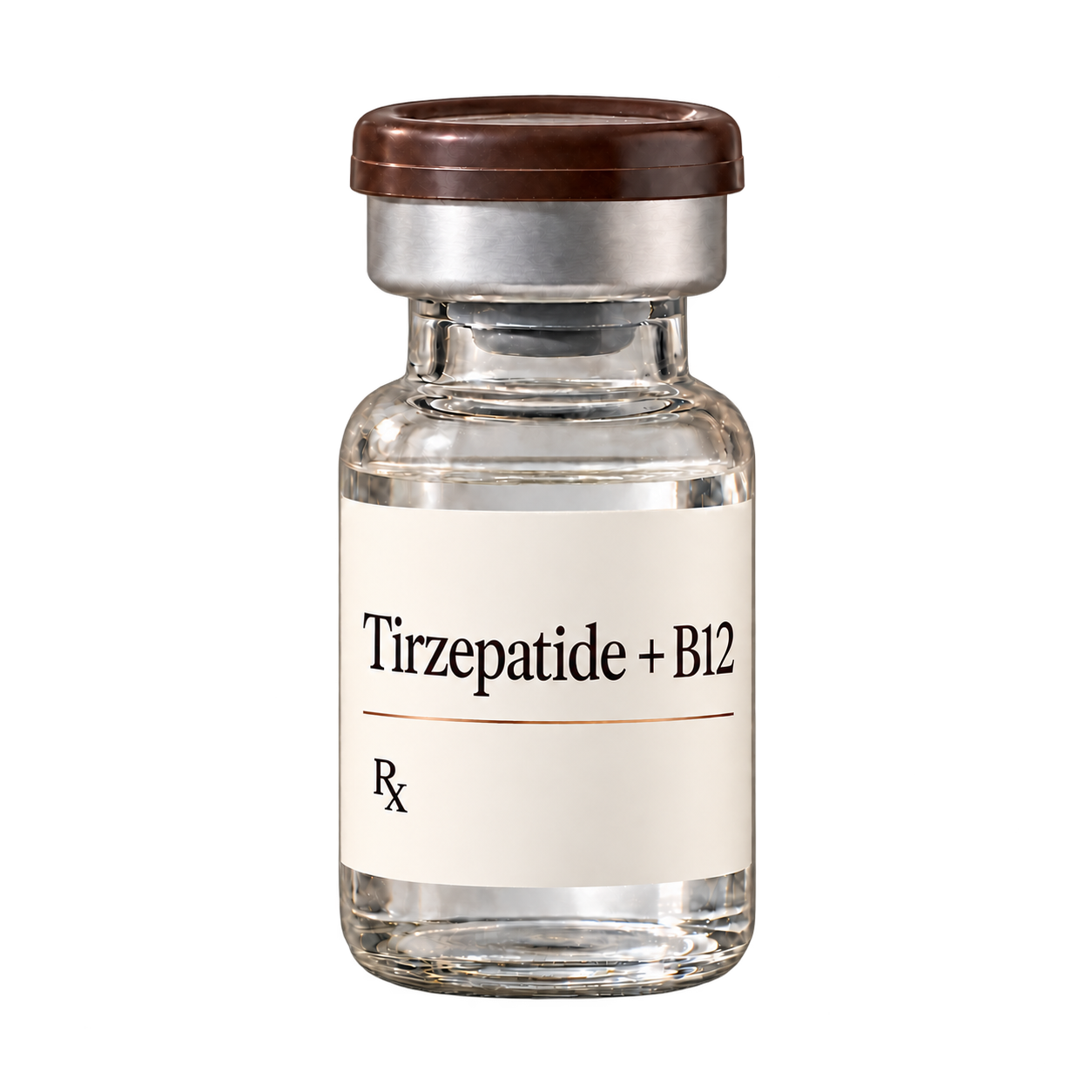
If you searched “mounjaro tirzepatide,” the simplest answer is yes: Mounjaro is the brand name for tirzepatide. Tirzepatide is an injectable prescription medicine that is FDA approved to improve blood sugar in adults with type 2 diabetes. This page also explains an important difference: Vitals Vault offers tirzepatide as a compounded medication, not the brand Mounjaro. Compounded medications are prepared by a licensed pharmacy for an individual prescription and are not FDA approved.
- Mounjaro is a brand name for tirzepatide, a weekly injection used for type 2 diabetes.
- Tirzepatide activates GIP and GLP-1 receptors to improve blood sugar and reduce appetite signals.
- Common side effects are nausea, diarrhea, decreased appetite, vomiting, constipation, and stomach pain.
- Serious risks include thyroid C-cell tumors (boxed warning), pancreatitis, gallbladder disease, kidney injury, and severe allergy.
- Access usually involves a clinician review, labs when needed, and ongoing monitoring for side effects and blood sugar.
What Mounjaro (tirzepatide) is
Brand vs ingredient name
Mounjaro is the brand name for tirzepatide. When people say “tirzepatide,” they usually mean the active ingredient found in Mounjaro. The words are related, but they are not always interchangeable in terms of what is dispensed.
What it is approved for
Mounjaro is FDA approved to improve glycemic control (blood sugar) in adults with type 2 diabetes, along with diet and exercise. It is not approved for type 1 diabetes. Some people also use tirzepatide for weight management under a different brand name, but that is a separate product and labeling.
Compounded tirzepatide
Compounded tirzepatide is prepared by a licensed pharmacy for an individual prescription and is not FDA approved. It is not a generic of Mounjaro. If you are considering compounded tirzepatide, it is especially important to review your medical history, current medications, and monitoring plan with a licensed clinician.
- Drug class
- Dual GIP and GLP-1 receptor agonist
- How it is taken
- Subcutaneous injection (under the skin), once weekly
- FDA approved use (Mounjaro)
- Type 2 diabetes in adults, with diet and exercise
- Not for
- Type 1 diabetes
How tirzepatide works in the body
Two hormone pathways
Tirzepatide activates receptors for two gut hormones: GIP (glucose-dependent insulinotropic polypeptide) and GLP-1 (glucagon-like peptide-1). These hormones help your body respond to food by improving insulin release when glucose is high and reducing glucagon, which can lower blood sugar.
Slows stomach emptying
Tirzepatide can slow gastric emptying, meaning food leaves your stomach more slowly. This effect can contribute to feeling full sooner, but it can also contribute to nausea and other gastrointestinal side effects. It can also affect how quickly some oral medicines are absorbed.
Why it can affect weight
By influencing appetite and fullness signals, tirzepatide can reduce calorie intake for some people. How much this matters varies by person and by dose, and it requires ongoing lifestyle support. You should not expect a specific amount of weight loss.
Who this treatment may be for
Adults with type 2 diabetes
Mounjaro is FDA approved for adults with type 2 diabetes who need better blood sugar control, alongside diet and exercise. A clinician considers your A1C, current diabetes medications, kidney function, and side effect history. They also consider whether you have risk factors that make GLP-1 class medicines less suitable.
People needing weight management support
Some people seek tirzepatide primarily for weight management. Whether that is appropriate depends on which product is being used and the indication being treated. A clinician should confirm the goal, screen for contraindications, and set expectations about monitoring and side effects.
People who can monitor safely
Tirzepatide works best when you can follow up for side effects, dose adjustments, and monitoring. If you use insulin or a sulfonylurea, you may need closer monitoring for low blood sugar. If you have frequent dehydration from vomiting or diarrhea, your clinician may monitor kidney function more closely.
Who should not take tirzepatide
Certain thyroid cancer history
Do not use tirzepatide if you or a family member has had medullary thyroid carcinoma (MTC), or if you have Multiple Endocrine Neoplasia syndrome type 2 (MEN 2). This is tied to the boxed warning about thyroid C-cell tumors. Ask your clinician what symptoms should prompt urgent evaluation.
Serious allergy to tirzepatide
Do not use tirzepatide if you have had a serious hypersensitivity reaction to tirzepatide or any of its components. Signs can include swelling of the face, lips, tongue, or throat, trouble breathing, or severe rash. Seek emergency care for symptoms of anaphylaxis.
Not for type 1 diabetes
Mounjaro is not indicated for type 1 diabetes. If you have type 1 diabetes or a history of diabetic ketoacidosis, your clinician will choose a different treatment approach. Do not assume a GLP-1 class medicine can replace insulin.
Situations needing extra caution
Your clinician may avoid or use extra caution if you have a history of pancreatitis, severe gastrointestinal disease, gallbladder disease, or significant kidney problems. Pregnancy and breastfeeding decisions require individualized counseling because weight loss medicines are generally not recommended during pregnancy.
What to expect if you start tirzepatide
Dose is usually titrated
Tirzepatide is typically started at a low dose and increased over time to improve tolerability, especially gastrointestinal side effects. Your clinician chooses a schedule based on the product, your response, and any side effects. Do not change your dose without clinical guidance.
GI symptoms are common early
Nausea, diarrhea, vomiting, constipation, and stomach discomfort are among the most common reasons people struggle early on. Eating smaller meals and avoiding very fatty meals may help some people, but you should discuss persistent symptoms with your clinician. Ongoing vomiting or diarrhea can lead to dehydration.
Blood sugar can drop
Tirzepatide can lower blood sugar, and the risk of hypoglycemia is higher if you also use insulin or a sulfonylurea. Your clinician may adjust other diabetes medicines and recommend a monitoring plan. Know the symptoms of low blood sugar and when to seek help.
Injection is once weekly
Mounjaro is given as a once-weekly injection under the skin. The manufacturer provides Instructions for Use, and your prescribing clinician or pharmacist should show you how to use the device safely. For compounded tirzepatide, the dispensing pharmacy provides specific instructions for that formulation.
Side effects and key warnings
Nausea
Nausea is one of the most common side effects with tirzepatide and is often dose-related. It may improve as your body adjusts, especially with gradual dose increases. Tell your clinician if nausea limits eating or drinking or does not improve.
Diarrhea or constipation
Changes in bowel habits are common with tirzepatide. Diarrhea can increase dehydration risk, while constipation can be uncomfortable and persistent for some people. If you have severe diarrhea, constipation with significant pain, or signs of dehydration, contact a clinician promptly.
Vomiting and stomach pain
Vomiting and abdominal pain can happen, especially during dose increases. Persistent vomiting can lead to dehydration and kidney stress. Severe abdominal pain that does not go away can be a warning sign for pancreatitis and needs urgent evaluation.
Thyroid C-cell tumor warning
Tirzepatide carries a boxed warning for risk of thyroid C-cell tumors based on animal studies. It is contraindicated if you have a personal or family history of medullary thyroid carcinoma (MTC) or MEN 2. Discuss any neck mass, hoarseness, trouble swallowing, or shortness of breath with a clinician.
Pancreatitis
Acute pancreatitis has been reported with GLP-1 receptor agonists, including tirzepatide. Seek urgent care for severe abdominal pain that may radiate to the back, with or without vomiting. If pancreatitis is suspected, a clinician will evaluate and decide next steps.
Gallbladder disease
Gallbladder problems, including gallstones and inflammation, have been reported with GLP-1 class medicines. Symptoms can include right upper abdominal pain, fever, yellowing of the skin or eyes, or clay-colored stools. Contact a clinician promptly if these occur.
Kidney injury from dehydration
Kidney problems, sometimes requiring hospitalization, have been reported, often in the setting of nausea, vomiting, diarrhea, or dehydration. If you cannot keep fluids down or you notice very low urine output, dizziness, or fainting, seek medical care. Your clinician may check kidney function if symptoms persist.
Low blood sugar with certain meds
When tirzepatide is used with insulin or a sulfonylurea, the risk of hypoglycemia increases. Symptoms can include shakiness, sweating, confusion, and fast heartbeat. Your clinician may adjust other diabetes medicines and advise how to monitor.
Severe allergic reaction
Serious hypersensitivity reactions, including anaphylaxis and angioedema, have been reported. Get emergency help for swelling of the face, lips, tongue, or throat, trouble breathing, or widespread rash. Do not restart a medicine after a serious allergic reaction unless a clinician directs you.
Cost and access: what affects what you pay
Brand vs compounded matters
Mounjaro is a brand product, while compounded tirzepatide is prepared by a pharmacy for an individual prescription and is not FDA approved. These are different supply paths, which can affect availability, what is covered, and what documentation is needed. Vitals Vault offers compounded tirzepatide, not Mounjaro.
Insurance coverage varies
Coverage depends on your plan, diagnosis, and whether the prescription is for an FDA approved indication. Some plans require prior authorization or step therapy, and they may ask for recent A1C or other documentation. If you are using it for weight management, coverage rules can differ from diabetes coverage.
What drives total cost
Your total cost can be affected by the product type (brand vs compounded), dose over time, required follow-ups, and whether labs are needed for safe prescribing and monitoring. Current prices, when available, are shown on this page in the price block. Ask your clinician what monitoring is recommended for you.
How to get tirzepatide safely
- 1
Complete an intake
Share your health history, current medications, and goals so a clinician can assess fit and safety.
- 2
Review labs if needed
A clinician may request recent lab results to guide safe prescribing and monitoring.
- 3
Clinician consult and decision
A licensed clinician reviews your information and decides whether treatment is appropriate for you.
- 4
Ongoing follow-up
Plans typically include check-ins to manage side effects, monitoring, and adjustments over time.
Frequently Asked Questions
Is Mounjaro tirzepatide?
Yes. Mounjaro is the brand name for tirzepatide. If you are comparing brand Mounjaro with compounded tirzepatide, they are not the same product and compounded medications are not FDA-approved.
What is the difference between tirzepatide vs Mounjaro?
Mounjaro is a specific FDA-approved brand product that contains tirzepatide. “Tirzepatide” can refer to the ingredient, including compounded tirzepatide prepared by a pharmacy for an individual prescription, which is not FDA-approved. A clinician can help you compare safety, access, and monitoring.
Is there a difference between Mounjaro vs tirzepatide?
People often use the terms interchangeably, but they can mean different things in practice. Mounjaro is the brand-name injection with FDA labeling, while compounded tirzepatide is a different formulation pathway that is not FDA-approved. Your prescription and pharmacy source determine what you receive.
What are the most common side effects of mounjaro tirzepatide?
The most common side effects reported with tirzepatide are gastrointestinal, including nausea, diarrhea, decreased appetite, vomiting, constipation, and abdominal pain. Many people notice these most during dose increases. Contact a clinician if symptoms are severe or you cannot stay hydrated.
How often do you take tirzepatide injections?
Mounjaro is taken once weekly as a subcutaneous injection, according to the FDA prescribing information. Your prescribing clinician or pharmacist should show you how to use the device and the Instructions for Use cover the steps. For compounded tirzepatide, follow the instructions from your clinician and dispensing pharmacy.