
Mounjaro diarrhea: can it happen?
Mounjaro diarrhea is a common side effect, often early or after dose increases. See what helps, the signs of dehydration, and when to get care.
Key facts
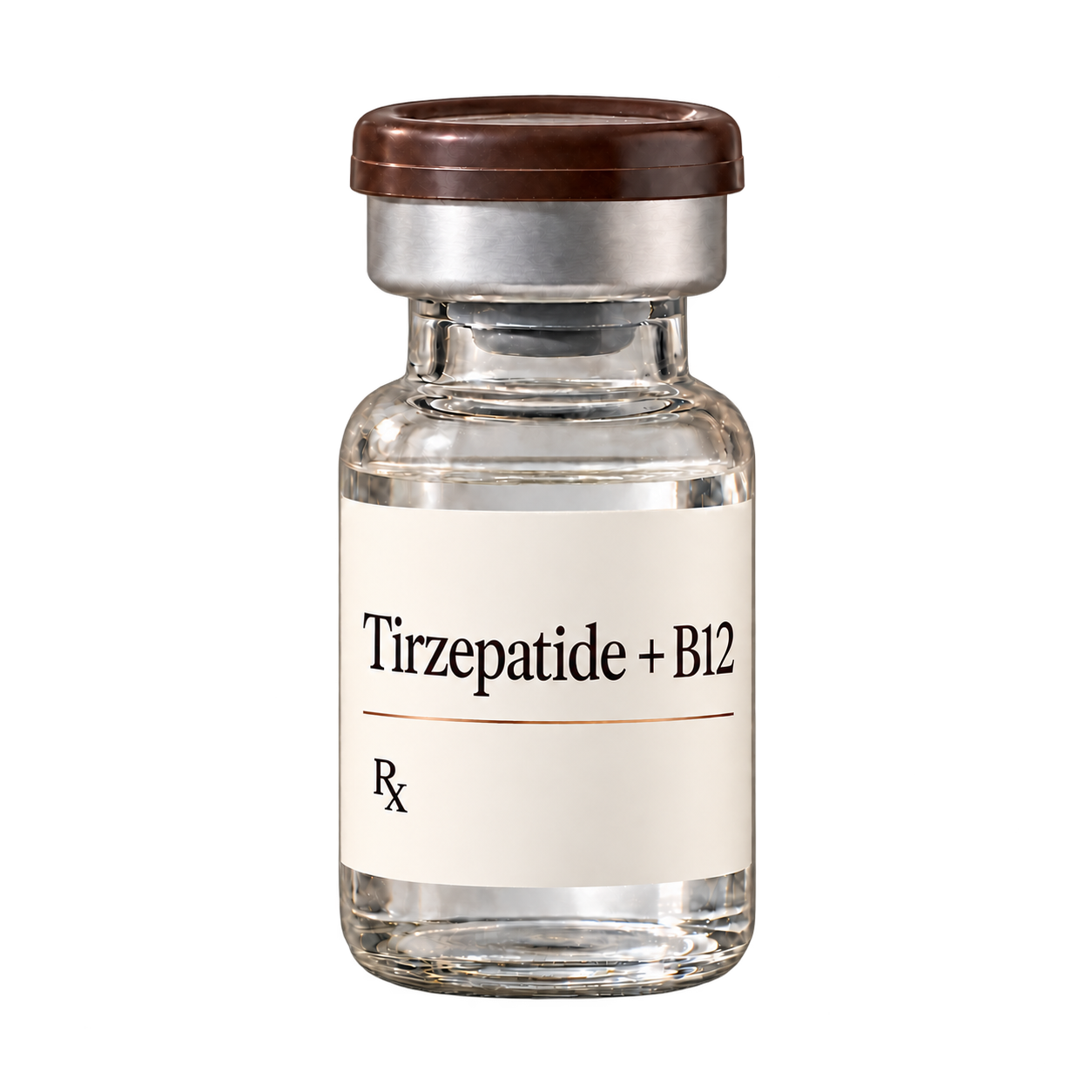
- Tirzepatide + B12 is $169/month (billed $169 every 4 weeks), charged only after a clinician approves it.
- Answer a few health questions online. A licensed clinician reviews them. If approved, it ships to your door.
- Adults 18 or older. A licensed clinician reviews your health history and decides whether treatment is appropriate for you. Availability depends on the state you live in.


Yes, Mounjaro (tirzepatide) can cause diarrhea. It is one of the common gastrointestinal side effects reported with tirzepatide, and it is often noticed when starting treatment or after a dose increase. If you are dealing with mounjaro diarrhea or trying to plan ahead, this guide covers what the prescribing information says, what usually helps, and when symptoms should be treated as urgent. Vitals Vault also lists lab options you can share with a clinician when dehydration or kidney stress is a concern.
- Yes, mounjaro diarrhea can happen and is listed as a common side effect.
- It often starts early or after dose increases and may improve on a stable dose.
- Hydration matters most, because diarrhea can lead to dehydration and kidney stress.
- Seek urgent care for severe dehydration, blood in stool, or severe abdominal pain with vomiting.
Can Mounjaro cause diarrhea?
Why it happens and what usually helps
Why diarrhea can occur
Tirzepatide works on gut hormone pathways (GIP and GLP-1) and can slow stomach emptying. These effects can change digestion and bowel habits, which is why gastrointestinal reactions like nausea, diarrhea, and constipation are listed in the prescribing information.
When it tends to show up
Diarrhea is commonly reported when starting tirzepatide and after dose escalation. Many people find it improves over time, but symptoms can recur with later increases or with larger, higher-fat meals.
Hydration is the priority
With frequent loose stools, the main risk is dehydration. The label warns that dehydration from gastrointestinal reactions can worsen kidney function, including acute kidney injury, especially if you already have kidney problems or become volume depleted.
Food choices that may help
If diarrhea is mild, simpler foods and smaller meals are often easier to tolerate while your stomach settles. If symptoms are persistent or you cannot keep fluids down, contact your prescriber rather than trying to push through it.
It may not be the medication
Not all diarrhea during treatment is caused by tirzepatide. Viral illness, foodborne illness, other medicines (including metformin), supplements, or complications like gallbladder disease or pancreatitis can also cause gastrointestinal symptoms, so timing and associated symptoms matter.
Do not self-adjust dosing
If diarrhea is affecting hydration, sleep, or daily function, contact your prescribing clinician. Do not change your dose schedule on your own, because dosing changes should be clinician-directed.
| What you might notice | Why it matters | What to do |
|---|---|---|
| Very dry mouth, intense thirst, dizziness | Can signal fluid loss from diarrhea | Increase fluids if you can and contact a clinician if not improving |
| Little or very dark urine | May indicate dehydration and kidney stress | Seek clinician guidance promptly, especially if ongoing |
| Weakness, fainting, confusion | Can be severe dehydration or another urgent issue | Seek urgent care |
When to talk to a clinician or seek urgent care
Seek urgent care now
Get urgent care for signs of severe dehydration such as fainting, confusion, or inability to keep fluids down, or for blood in stool or black tarry stools. Also seek urgent evaluation for severe abdominal pain with persistent vomiting, which can be a warning sign of pancreatitis.
Call your prescriber soon
Contact your prescriber if diarrhea is persistent, worsening, or interfering with hydration, sleep, or daily activities. This is especially important if you have kidney disease or repeated vomiting or diarrhea, because dehydration can worsen kidney function.
Ask about other warning symptoms
Discuss evaluation if diarrhea comes with fever, ongoing nausea and vomiting, or right upper abdominal pain, which can be associated with gallbladder problems. Your clinician may also review other medicines and recent diet changes.
Practical tips for managing diarrhea
Hydrate early
Start fluids at the first sign of loose stools, not after you feel depleted.
Keep meals simple
Smaller, lower-fat meals are often easier to tolerate during flare-ups.
Avoid dehydration triggers
Alcohol can worsen dehydration and may aggravate gastrointestinal symptoms.
Track timing
Note when diarrhea starts relative to injections, meals, and dose changes.
Review other causes
Tell your clinician about metformin, magnesium, antibiotics, and new supplements.
Frequently Asked Questions
Can Mounjaro cause diarrhea?
Yes. Diarrhea is listed among the common gastrointestinal side effects of Mounjaro (tirzepatide). It is often reported early in treatment or after dose increases and may improve as your body adjusts.
How long does Mounjaro diarrhea last?
Many people notice diarrhea mainly early in treatment or after a dose increase, and it may lessen over time. If it is persistent, severe, or keeps coming back, contact your prescriber to discuss next steps.
What are signs diarrhea is becoming dangerous on Mounjaro?
Seek urgent care for severe dehydration symptoms like fainting, confusion, or inability to keep fluids down, or for blood in stool. Also get urgent evaluation for severe abdominal pain with persistent vomiting, which can be a warning sign of pancreatitis.
Can diarrhea from Mounjaro affect your kidneys?
It can. The prescribing information warns that dehydration from gastrointestinal reactions such as diarrhea and vomiting can worsen kidney function, including acute kidney injury. This is more concerning if you already have kidney disease or become volume depleted.
Is it Mounjaro or compounded tirzepatide causing my diarrhea?
The active ingredient tirzepatide is associated with diarrhea as a common side effect in FDA-approved product labeling. If you are using compounded tirzepatide, your prescriber and dispensing pharmacy can help review formulation and other causes, since compounded products are not FDA-approved.