
Mounjaro dosage chart: labeled doses and schedule
A Mounjaro dosage chart starts at 2.5 mg weekly, then increases in 2.5 mg steps every 4 weeks as needed. See label dosing details.
Key facts
- Tirzepatide + B12 is $169/month (billed $169 every 4 weeks), charged only after a clinician approves it.
- Answer a few health questions online. A licensed clinician reviews them. If approved, it ships to your door.
- Adults 18 or older. A licensed clinician reviews your health history and decides whether treatment is appropriate for you. Availability depends on the state you live in.


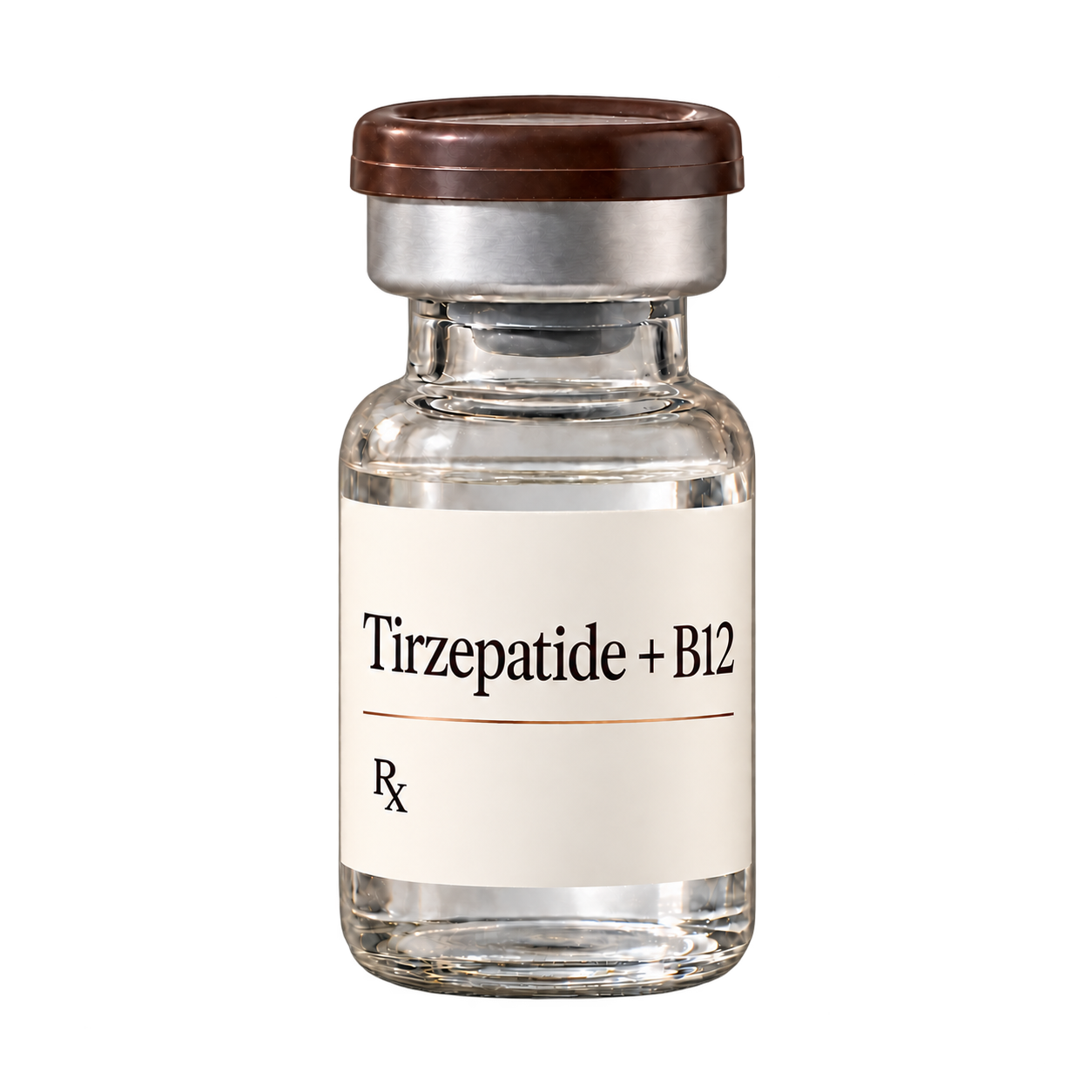
If you searched for a Mounjaro dosage chart, you are usually trying to confirm the starting dose, the step up schedule, and the available pen strengths. This page summarizes labeled dosing for Mounjaro (tirzepatide) for type 2 diabetes, for education only. For personal dosing questions, PocketMD from Vitals Vault can help you ask better questions using your own health history and labs, but dose decisions stay with your prescribing clinician.
- The Mounjaro dosage chart starts at 2.5 mg once weekly, then increases every 4 weeks if needed.
- Available pen strengths range from 2.5 mg to 15 mg per weekly dose.
- If you miss a dose, the label gives different guidance depending on how soon you remember.
- Dose changes are typically made to balance blood sugar benefit and side effects.
Answer: Mounjaro dosing at a glance
Starting dose
The labeled starting dose is 2.5 mg injected under the skin once weekly for 4 weeks. This starting dose is for treatment initiation and is not intended for glycemic control.
Dose increases
After 4 weeks at 2.5 mg once weekly, the label increases to 5 mg once weekly. If additional glycemic control is needed, the dose may be increased in 2.5 mg steps after at least 4 weeks on the current dose.
Maximum labeled dose
The maximum labeled maintenance dose is 15 mg once weekly. Not everyone needs the maximum dose, and higher doses may increase side effects for some people.
Dose chart details, strengths, and label rules
| Treatment phase | Dose | How long before considering an increase |
|---|---|---|
| Initiation | 2.5 mg | 4 weeks |
| Maintenance options | 5 mg | At least 4 weeks |
| Maintenance options | 7.5 mg, 10 mg, 12.5 mg, or 15 mg | Increase by 2.5 mg after at least 4 weeks if needed |
| Strength per dose | How often it is used |
|---|---|
| 2.5 mg | Once weekly |
| 5 mg | Once weekly |
| 7.5 mg | Once weekly |
| 10 mg | Once weekly |
| 12.5 mg | Once weekly |
| 15 mg | Once weekly |
Missed dose rule
If you miss a dose, the label says to take it as soon as possible within 4 days (96 hours) after the missed dose. If more than 4 days have passed, skip the missed dose and take your next dose on the regularly scheduled day.
Changing your weekly day
The label allows changing the day of weekly administration if needed, as long as the time between two doses is at least 3 days (72 hours). This is meant to help with scheduling, not to increase dosing frequency.
Where it is injected
Per the Instructions for Use, Mounjaro is injected under the skin of your abdomen, thigh, or upper arm. Your pharmacist or prescribing clinician should show you how to use the pen, and the Instructions for Use describe the steps.
Common side effects that affect dosing
Gastrointestinal side effects like nausea, diarrhea, decreased appetite, vomiting, constipation, indigestion, and abdominal pain are listed in the label. Clinicians often consider these symptoms when deciding whether to stay at a dose longer or increase.
Serious risks to know
The label includes a boxed warning about risk of thyroid C-cell tumors seen in rats and states it is unknown whether this risk applies to humans. Other serious risks in labeling include pancreatitis, acute gallbladder disease, acute kidney injury, and severe gastrointestinal disease.
Low blood sugar risk
Tirzepatide can increase the risk of hypoglycemia (low blood sugar) when used with insulin secretagogues (like sulfonylureas) or insulin. If you use those medicines, your clinician may adjust the other drug to reduce hypoglycemia risk.
When to talk to a clinician about your dose
You cannot keep fluids down
Persistent vomiting or diarrhea can lead to dehydration, which can be more dangerous if you have kidney disease. Contact your clinician promptly if symptoms are severe or not improving, especially around dose increases.
Severe stomach pain
Seek urgent medical evaluation for severe abdominal pain that may radiate to the back, with or without vomiting. The label warns about acute pancreatitis and advises discontinuation if pancreatitis is suspected.
Gallbladder symptoms
Right upper abdominal pain, fever, or yellowing of the skin or eyes can be signs of gallbladder problems. The label warns about acute gallbladder disease, which may require evaluation and treatment.
Possible thyroid tumor symptoms
Call your clinician if you notice a lump or swelling in your neck, hoarseness, trouble swallowing, or shortness of breath. Mounjaro has a boxed warning about thyroid C-cell tumors in rats and is contraindicated in people with certain thyroid cancer histories.
Low blood sugar episodes
If you have shakiness, sweating, confusion, or fainting, discuss it with your clinician, especially if you also use insulin or a sulfonylurea. Your clinician may need to adjust other diabetes medicines to reduce hypoglycemia risk.
Pro tips for staying on schedule
Use a weekly reminder
Pick a consistent day and set a repeating phone reminder to reduce missed doses.
Plan around travel
If you need a different day, confirm the label timing rule with your clinician.
Track symptoms after increases
Note nausea, vomiting, constipation, and appetite changes to discuss at check-ins.
Bring your med list
Tell your clinician about insulin or sulfonylureas, which raise hypoglycemia risk.
Ask before changing anything
Do not change your dose on your own. Ask your prescriber what to do.
Frequently Asked Questions
What are the doses of Mounjaro?
Mounjaro is available as once weekly single dose pens in 2.5 mg, 5 mg, 7.5 mg, 10 mg, 12.5 mg, and 15 mg strengths. The label starts at 2.5 mg weekly for 4 weeks, then increases as needed in 2.5 mg steps.
What is the lowest dose of Mounjaro?
The lowest labeled dose is 2.5 mg once weekly. The prescribing information states this dose is for treatment initiation and is not intended for glycemic control.
What is the Mounjaro starting dose and how long do you stay on it?
The labeled starting dose is 2.5 mg once weekly for 4 weeks. After that, the label increases to 5 mg once weekly, with further increases only if additional glycemic control is needed.
What happens if you miss a Mounjaro dose?
The label says to take the missed dose as soon as possible within 4 days (96 hours). If more than 4 days have passed, skip the missed dose and take your next dose on the regularly scheduled day.
Can you change your Mounjaro dosing day of the week?
Yes, the prescribing information allows changing the day of weekly administration if needed. The label requires that the time between two doses is at least 3 days (72 hours).