
Treatment for low progesterone: what helps in menopause
Treatment for low progesterone depends on symptoms and whether you use estrogen. Options include oral progesterone and lifestyle support with clinician.
Key facts
- Progesterone Capsules is $66.34/month (billed $199 every 90 days), charged only after a clinician approves it.
- Answer a few health questions online. A licensed clinician reviews them. If approved, it ships to your door.
- Adults 18 or older. A licensed clinician reviews your health history and decides whether treatment is appropriate for you. Availability depends on the state you live in.





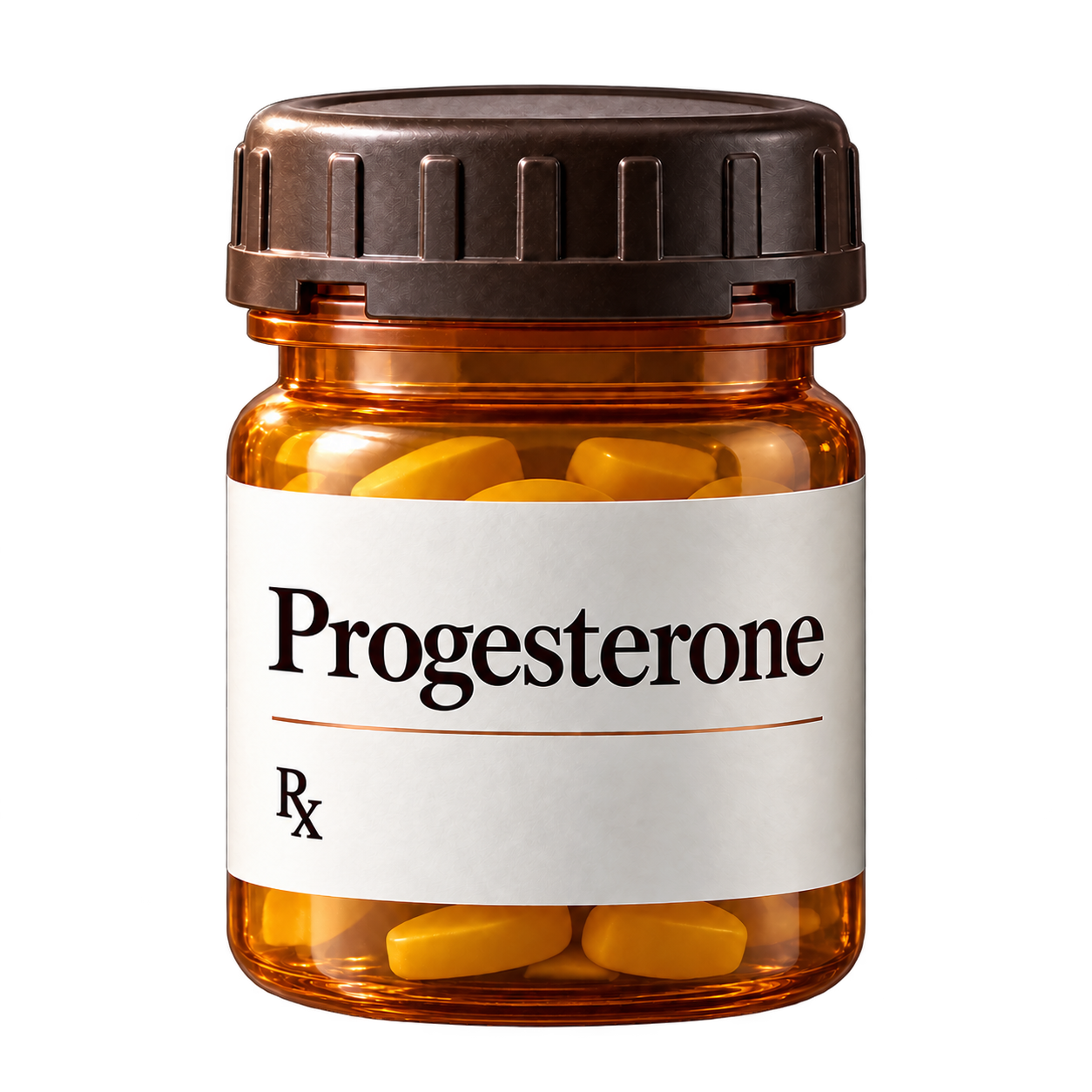
If you are searching for treatment for low progesterone, the right approach depends on your symptoms, your stage of life, and whether you are using estrogen therapy. In menopause, progesterone is often discussed in the context of hormone therapy, where it can be used to reduce the risk of uterine lining overgrowth when estrogen is prescribed. This page covers practical options and habit-level supports you can discuss with a clinician, plus what to watch for.
- Treatment for low progesterone often means progesterone therapy when clinically appropriate, especially if you use estrogen.
- In menopause, progesterone is mainly used to protect the uterus during estrogen therapy and may help sleep in some people.
- Oral micronized progesterone can cause drowsiness, dizziness, and other side effects listed in labeling.
- Lifestyle basics like sleep timing, alcohol limits, and activity can support symptoms without replacing medical evaluation.
Treatment options for low progesterone
Progesterone with estrogen therapy
During menopausal hormone therapy, progesterone is commonly used alongside estrogen in people with a uterus to reduce the risk of endometrial hyperplasia (overgrowth of the uterine lining). The specific product, dose, and schedule depend on your clinician’s plan and the product labeling.
Progesterone for symptom support
Some people use oral micronized progesterone with the goal of improving sleep or nighttime symptoms. Evidence and suitability vary, so it is best framed as a clinician-guided trial with clear safety checks, especially if you have other medical conditions or take sedating medications.
Lifestyle and trigger management
Sleep timing, limiting alcohol, and regular activity can help reduce symptom burden for some people during the menopause transition. These steps are low-risk for most people and can be used alongside medical care, but they do not confirm a hormone diagnosis.
Details: what “low progesterone” can mean and what helps
Why progesterone drops in menopause
Progesterone is produced mainly after ovulation. As ovulation becomes less frequent in the menopause transition and stops after menopause, progesterone levels typically fall. Symptoms you notice can overlap with changes in estrogen, sleep disruption, stress, and other health issues.
When labs are useful
A single progesterone level can be hard to interpret because levels vary across the menstrual cycle and are generally low after menopause. Clinicians often focus on your symptoms, bleeding pattern, and whether you are using estrogen therapy, and may use labs to rule out other contributors.
Oral micronized progesterone basics
Micronized progesterone is an FDA-approved prescription progesterone product used for specific indications, including use with estrogen therapy in certain situations. It is not the same as over-the-counter “progesterone cream” supplements, which can have variable content and absorption.
Common side effects to expect
Labeling for oral progesterone includes side effects such as dizziness and drowsiness, which can matter for driving, work, and fall risk. Some people also report headache or breast tenderness. If you feel sedated, tell your clinician so they can reassess timing or whether it is a fit.
Serious risks and warnings
Progesterone products can carry warnings and precautions, including allergic reactions and risks related to blood clots when used in certain hormone therapy contexts. Seek urgent care for chest pain, sudden shortness of breath, one-sided leg swelling, or sudden severe headache, and contact your clinician for abnormal vaginal bleeding.
Habits that can support symptoms
For sleep, prioritize a consistent wake time, reduce late caffeine, and keep the bedroom cool and dark. For hot flash triggers, alcohol and spicy foods can worsen symptoms for some people. Regular aerobic and resistance activity supports cardiometabolic health, which becomes more important after menopause.
| Situation | What it may mean | Common next step to discuss |
|---|---|---|
| You use systemic estrogen and have a uterus | Progesterone is often used to protect the uterine lining | Ask about an FDA-approved progestogen plan and monitoring |
| New or persistent abnormal bleeding | Not explained by “low progesterone” alone | Prompt clinical evaluation to rule out uterine causes |
| Sleep disruption, anxiety, or mood changes | May be multifactorial in menopause | Discuss sleep hygiene, CBT-I, and whether hormones are appropriate |
| You are using a non-prescription cream | Dose and absorption can be unpredictable | Ask whether a prescription option is safer and better studied |
When to talk to a clinician
Abnormal vaginal bleeding
Bleeding after menopause, very heavy bleeding, or bleeding between periods needs medical evaluation. It can have many causes, and it is not something to self-treat with progesterone or supplements.
Possible clot or stroke symptoms
Get urgent care for chest pain, sudden shortness of breath, coughing blood, one-sided leg swelling, sudden weakness or numbness, or sudden severe headache. Hormone therapy can affect clot risk in some situations, so clinicians treat these symptoms as emergencies.
Severe sleepiness or dizziness
If progesterone makes you too drowsy, dizzy, or unsteady, tell your clinician promptly. This can affect driving and fall risk, and it may mean the product, timing, or overall plan needs adjustment.
Migraine, liver disease, or complex history
If you have migraine with aura, liver disease, a history of hormone-sensitive cancer, or prior blood clots, you need individualized counseling before using any hormone therapy. Bring a medication list, including supplements, to avoid interactions and duplications.
Pro tips for day-to-day support
Track patterns, not perfection
Log sleep, hot flashes, and bleeding for 2 weeks to spot triggers and trends.
Protect your sleep window
Keep a consistent wake time and reduce late caffeine and alcohol.
Strength train twice weekly
Resistance training supports muscle and bone health during menopause.
Prioritize protein and fiber
Balanced meals can help energy and cravings without extreme dieting.
Bring your full medication list
Include supplements and creams so your clinician can check overlap and safety.
Frequently Asked Questions
What is the best treatment for low progesterone?
The best treatment depends on why progesterone is low and what symptoms you are treating. In menopause, clinicians often focus on whether you are using estrogen therapy and whether progesterone is needed to protect the uterine lining. Discuss options and risks using FDA labeling and your history.
What does low progesterone in women mean after menopause?
After menopause, progesterone is typically low because ovulation has stopped. Symptoms you notice may be related to menopause overall and can overlap with changes in estrogen, sleep, and stress. A clinician can help interpret symptoms and decide whether hormone therapy is appropriate.
Can progesterone help with sleep in menopause?
Some people use oral micronized progesterone with the goal of improving sleep, but suitability varies. Because drowsiness and dizziness are listed side effects, it is important to discuss safety, other medications, and fall risk with a clinician.
Is progesterone cream the same as prescription progesterone?
Not always. Prescription micronized progesterone is FDA-approved and has standardized dosing and labeling, while non-prescription creams can have variable content and absorption. If you are considering a cream, ask a clinician whether a prescription option is safer and better studied.
Can I use Vitals Vault to figure out if progesterone is right for me?
Vitals Vault can help you organize your symptoms and questions and, if you choose, review treatment options with clinician guidance. PocketMD is an AI health companion that uses your own labs and health history to answer questions and tell you when to see a clinician. It is not for emergencies.