
How to inject tirzepatide: what the label says
Inject tirzepatide under the skin in the abdomen, thigh, or upper arm as directed. Follow your product Instructions for Use and clinician directions.
Key facts
- Tirzepatide + B12 is $169/month (billed $169 every 4 weeks), charged only after a clinician approves it.
- Answer a few health questions online. A licensed clinician reviews them. If approved, it ships to your door.
- Adults 18 or older. A licensed clinician reviews your health history and decides whether treatment is appropriate for you. Availability depends on the state you live in.


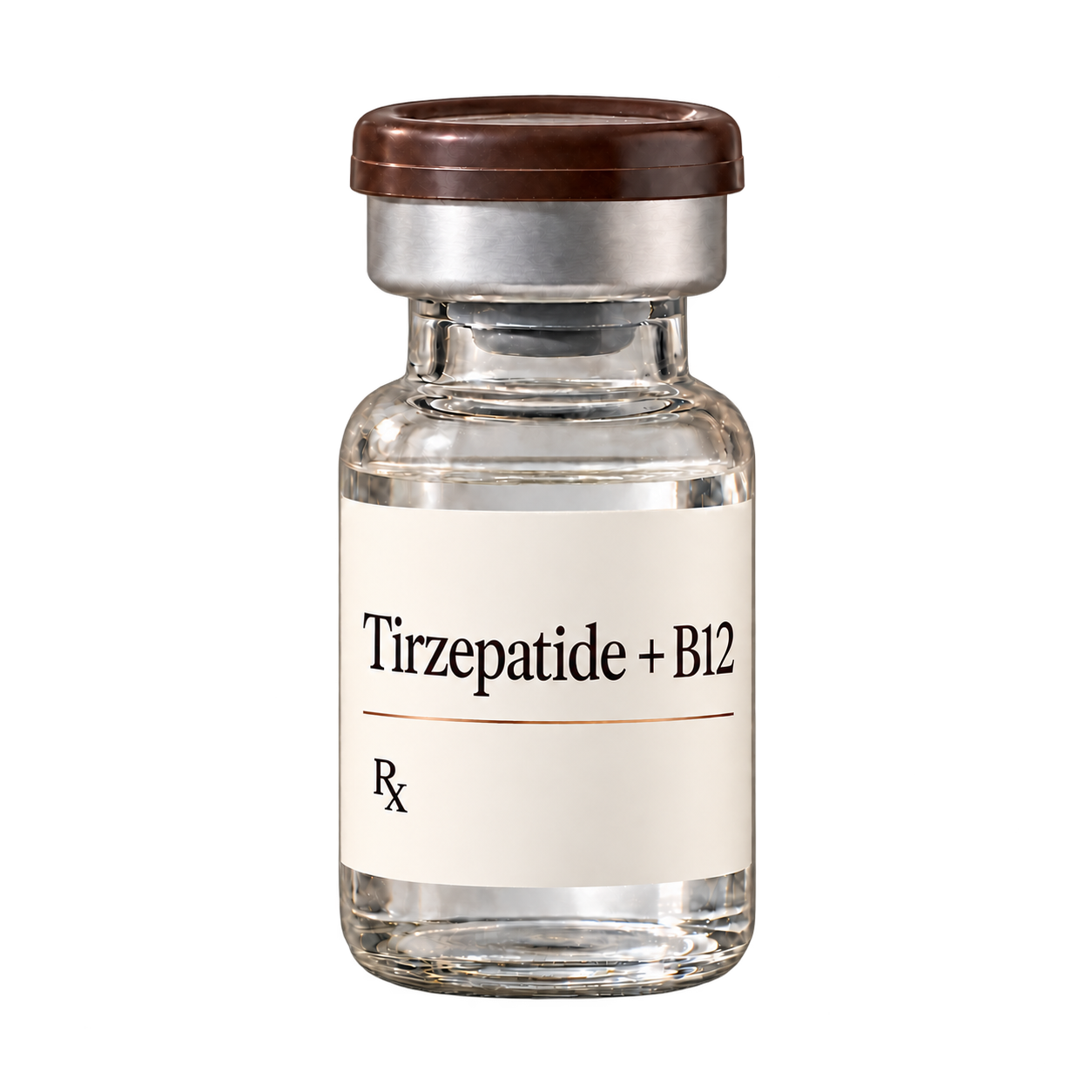
If you searched for how to inject tirzepatide, the safest answer is to follow the exact Instructions for Use that come with your specific product and the training your clinician or pharmacist provides. Tirzepatide is injected under the skin (subcutaneous), not into a vein or muscle. This page summarizes label-based basics and what to discuss with your prescriber, especially if you are using compounded tirzepatide. Vitals Vault also offers PocketMD to help you ask questions using your own health history.
- How to inject tirzepatide: it is given as a subcutaneous injection in the abdomen, thigh, or upper arm.
- Get trained by your prescribing clinician or pharmacist and follow your product's Instructions for Use.
- Rotate injection sites and do not inject into tender, bruised, red, or hard skin.
- If you use compounded tirzepatide, your pharmacy provides device-specific instructions.
How to inject tirzepatide (label basics)
Route
Tirzepatide is given as a subcutaneous injection, meaning it goes into the fatty tissue just under the skin. Your prescribing clinician or pharmacist should show you how to use your device safely. Follow the Instructions for Use that come with your medication.
Where to inject
The FDA Instructions for Use for tirzepatide pens list the abdomen (stomach area), thigh, or upper arm as injection sites. Use only the sites listed for your product. If you are unsure which site is best for you, ask your clinician.
Site rotation
Rotate injection sites to reduce irritation and skin reactions. You can use the same general area, but do not inject in the exact same spot each time. Avoid skin that is tender, bruised, red, or hard.
Injection sites, timing, and handling
Abdomen, thigh, upper arm
For FDA-approved tirzepatide injection pens, the Instructions for Use list the abdomen, thigh, or upper arm. If someone else is giving the injection, the upper arm may be an option depending on the product instructions. Use only the method described for your device.
Once-weekly schedule
FDA-approved tirzepatide products are designed for once-weekly dosing on the same day each week. Your prescriber decides the dose and any dose changes. If you miss a dose or need to change your dosing day, follow the product labeling and contact your prescriber for guidance.
Do not share devices
For pen devices, the FDA labeling warns not to share your pen with another person, even if the needle is changed. Sharing can spread infections. Keep your medication and supplies for your use only.
Storage and expiration
Storage rules depend on the exact product and packaging. FDA-approved pens have specific storage instructions in the labeling and Instructions for Use. Compounded tirzepatide may have different storage and beyond-use dating, so follow the dispensing pharmacy label and instructions.
What not to do
Do not inject into a vein or muscle unless your product instructions specifically say so. Do not inject into skin that is irritated or damaged. If you have questions about needle length, technique, or supplies, ask your pharmacist or prescriber rather than guessing.
When to contact a clinician
Severe allergic reaction
Get emergency help for symptoms like trouble breathing, swelling of the face or throat, or widespread hives. These can be signs of a serious allergic reaction. Bring your medication information with you if possible.
Severe stomach pain
Contact a clinician urgently for severe abdominal pain that does not go away, with or without vomiting. The FDA labeling for tirzepatide warns about pancreatitis and gallbladder problems. Do not try to manage severe symptoms on your own.
Dehydration or kidney concerns
If you have ongoing vomiting or diarrhea, you can become dehydrated, which can worsen kidney problems. The labeling advises monitoring for worsening kidney function in some situations. Seek care if you cannot keep fluids down or feel faint.
Low blood sugar symptoms
If you use tirzepatide with insulin or a sulfonylurea, the risk of low blood sugar (hypoglycemia) is higher per the FDA label. Contact your prescriber if you have repeated episodes or you are unsure how to respond safely. Do not change other diabetes medicines without clinician guidance.
Injection site problems
Mild redness or itching can happen with injections, but call your clinician if you have severe pain, spreading redness, warmth, pus, fever, or a hard lump that does not improve. These can signal infection or another reaction that needs evaluation. Take photos to help your clinician assess changes over time.
Practical tips to avoid common mistakes
Use your IFU every time
Keep the Instructions for Use with your supplies and refer back to it.
Pick a consistent day
A consistent weekly routine can reduce missed doses. Confirm any schedule change with your prescriber.
Rotate sites on a pattern
Rotate within approved areas to reduce irritation and help you remember the last spot used.
Check the pharmacy label
For compounded tirzepatide, follow the dispensing label and pharmacy instructions exactly.
Do not troubleshoot alone
If your device seems different than expected, pause and call your pharmacist or clinician.
Frequently Asked Questions
How to inject tirzepatide safely at home?
Use only the Instructions for Use that come with your specific product and the training from your clinician or pharmacist. FDA-approved tirzepatide pens are injected under the skin in the abdomen, thigh, or upper arm. For compounded tirzepatide, follow your pharmacy's instructions.
Where do you inject tirzepatide?
For FDA-approved tirzepatide injection pens, the Instructions for Use list the abdomen, thigh, or upper arm. Rotate sites and avoid skin that is tender, bruised, red, or hard. If you are unsure which site to use, ask your prescriber.
Can I switch injection sites for tirzepatide?
Yes, the labeling for tirzepatide pens supports rotating among approved injection sites. Rotating helps reduce irritation and skin reactions. Stay within the sites listed in your product Instructions for Use.
What should I do if I miss a tirzepatide injection?
The FDA labeling for tirzepatide includes instructions for missed doses and changing the day of weekly dosing. Because the right choice depends on timing and your health situation, contact your prescriber or pharmacist for product-specific guidance. Do not double doses unless your clinician instructs you to.
Is compounded tirzepatide injected the same way as brand pens?
Not always. Compounded tirzepatide is not FDA-approved and may be dispensed with different supplies or instructions than an FDA-approved pen. Your prescribing clinician and dispensing pharmacy should give you the correct administration directions for your prescription.