
Best place to inject Ozempic: stomach, thigh, or arm?
The best place to inject Ozempic is a labeled injection site you can rotate: abdomen, thigh, or upper arm. Follow the Instructions for Use.
Key facts
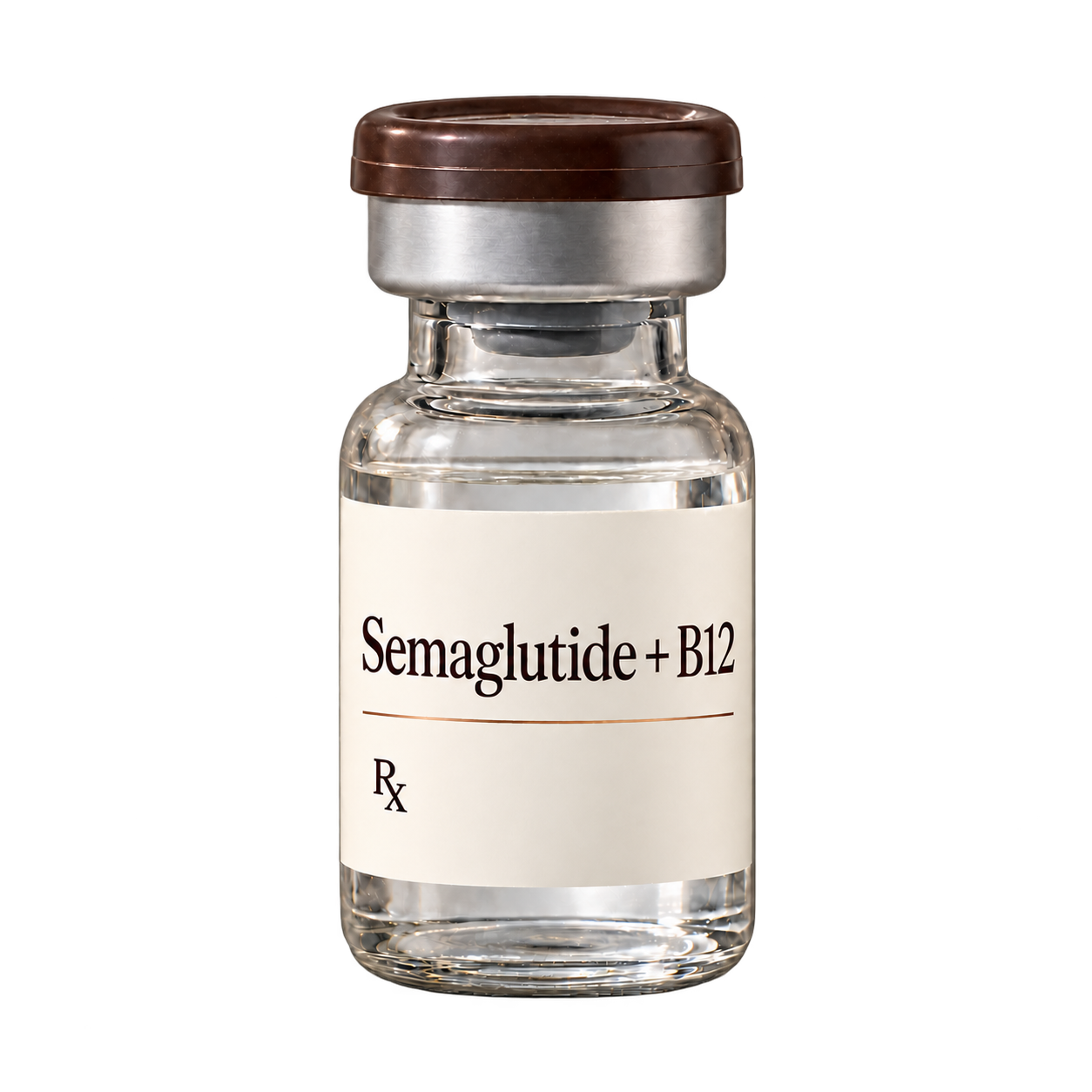
- Semaglutide + B12 is $157/month (billed $157 every 4 weeks), charged only after a clinician approves it.
- Answer a few health questions online. A licensed clinician reviews them. If approved, it ships to your door.
- Adults 18 or older. A licensed clinician reviews your health history and decides whether treatment is appropriate for you. Availability depends on the state you live in.


If you are trying to figure out the best place to inject Ozempic (semaglutide), the label gives three options: your abdomen (stomach area), thigh, or upper arm. The right choice is usually the site you can reach comfortably and rotate consistently, using the Instructions for Use. This page is for education, not personal dosing advice. Vitals Vault can help you keep questions organized so you can review injection sites, technique, and side effects with your prescribing clinician.
- The best place to inject Ozempic is any labeled site you can rotate: abdomen, thigh, or upper arm.
- Rotate injection sites each week to reduce skin irritation and lumps.
- Use the Ozempic Instructions for Use and get shown how by your clinician or pharmacist.
- For compounded semaglutide, follow your prescriber and pharmacy instructions, not the Ozempic pen guide.
Best injection sites for Ozempic
Abdomen (stomach area)
Ozempic is injected under the skin (subcutaneously) in the abdomen. Many people choose this site because it is easy to see and reach. Rotate within the area and avoid injecting into skin that is tender, bruised, red, or hard.
Thigh
The front of the thigh is also a labeled injection site for Ozempic. This can be a good option if your abdomen is irritated or you prefer to alternate locations. Rotate sites to lower the chance of local skin reactions.
Upper arm
Ozempic may be injected in the upper arm. Some people find this site harder to self inject, so you may need help from a trained caregiver. Your clinician or pharmacist can show you how to use the pen safely.
How to choose a site and rotate it
Rotate injection sites
The Ozempic label instructs you to change (rotate) your injection site with each injection. Rotating helps reduce irritation and injection site problems over time. If you notice persistent redness, swelling, or a lump, contact your clinician.
Stay in the fatty layer
Ozempic is given as a subcutaneous injection, meaning it goes into the fatty tissue just under the skin, not into a muscle or vein. The pen Instructions for Use describe the method and the steps to follow. Ask your pharmacist or prescribing clinician to demonstrate if anything is unclear.
Avoid irritated or injured skin
Do not inject into skin that is tender, bruised, red, or hard. These areas can be more painful and may affect how the injection feels. If you are unsure whether a spot is okay to use, choose a different labeled site and ask your clinician.
If you use compounded semaglutide
Ozempic is a brand product. Vitals Vault offers Semaglutide (compounded, injectable) as a compounded medication, not Ozempic. Never call it a generic of Ozempic; compounded medications are not FDA-approved. Your prescribing clinician and dispensing pharmacy should provide the exact injection instructions for your product.
| Injection site (label) | Why people choose it | Rotation reminder |
|---|---|---|
| Abdomen | Often easiest to see and reach | Rotate to a different spot each injection; avoid tender, bruised, red, or hard skin |
| Thigh | Good alternative if abdomen is irritated | Rotate sides and spots; avoid tender, bruised, red, or hard skin |
| Upper arm | Option if you prefer arm injections | May require a caregiver; rotate sites and avoid irritated skin |
When to contact your clinician
Severe allergic reaction symptoms
Get emergency help if you have symptoms of a serious allergic reaction, such as swelling of your face, lips, tongue, or throat, or trouble breathing. These are listed as serious risks in the Ozempic prescribing information. Do not try to manage these symptoms at home.
Possible pancreatitis symptoms
Contact your clinician right away if you have severe abdominal pain that may radiate to your back, with or without vomiting. The Ozempic label warns about pancreatitis (inflammation of the pancreas). Your clinician will decide what evaluation is needed.
Gallbladder symptoms
Call your clinician if you develop upper abdominal pain, fever, yellowing of the skin or eyes, or clay colored stools. The label notes acute gallbladder disease has been reported with GLP-1 medicines including semaglutide. Prompt evaluation matters because symptoms can overlap with other conditions.
Kidney problems or dehydration
If you have ongoing vomiting or diarrhea, or you cannot keep fluids down, contact your clinician. The Ozempic label warns that gastrointestinal side effects can lead to dehydration, which may worsen kidney function. Your clinician may recommend monitoring or supportive care.
Injection site problems that persist
Mild redness or discomfort can happen with injections, but persistent swelling, warmth, drainage, or a growing lump should be assessed. Your clinician can check for infection, irritation, or technique issues. Bring your pen or supplies to the visit if asked.
Quick tips for easier injections
Pick a rotation pattern
Use a simple schedule so you do not repeat the same spot too soon.
Use the Instructions for Use
Follow the Ozempic pen guide each time, especially if you are new.
Ask for a demo
A pharmacist or clinician can show you the technique and answer questions.
Do not compare products
Brand Ozempic and compounded semaglutide can have different instructions.
Frequently Asked Questions
How to inject Ozempic?
Ozempic is injected under the skin using the Ozempic pen, following the manufacturer’s Instructions for Use. Your pharmacist or prescribing clinician should show you how to use it. This page does not provide step by step injection technique.
Is it better to inject Ozempic in stomach or thigh?
Both the abdomen (stomach area) and thigh are labeled injection sites for Ozempic. The best choice is the site you can use correctly and rotate consistently. If you have irritation in one area, ask your clinician about using another labeled site.
How often do you inject Ozempic?
Ozempic is administered once weekly on the same day each week, at any time of day, with or without meals. Your prescribing clinician determines your dose and any dose changes. If you miss a dose, follow the label’s missed dose instructions or contact your clinician.
What are the places to inject Ozempic?
The Ozempic label lists three places to inject: abdomen, thigh, or upper arm. You should rotate injection sites with each injection. Avoid injecting into skin that is tender, bruised, red, or hard.
Can I use Ozempic injection instructions for compounded semaglutide?
Not always. Ozempic is a brand product, while compounded semaglutide is prepared by a pharmacy for an individual prescription and is not FDA-approved. Use the instructions from your prescribing clinician and dispensing pharmacy for your specific compounded product.