
Best place to inject semaglutide: label sites
The best place to inject semaglutide is the abdomen, thigh, or upper arm, per pen Instructions for Use. Rotate sites and ask your clinician if unsure.
Key facts
- Semaglutide + B12 is $157/month (billed $157 every 4 weeks), charged only after a clinician approves it.
- Answer a few health questions online. A licensed clinician reviews them. If approved, it ships to your door.
- Adults 18 or older. A licensed clinician reviews your health history and decides whether treatment is appropriate for you. Availability depends on the state you live in.





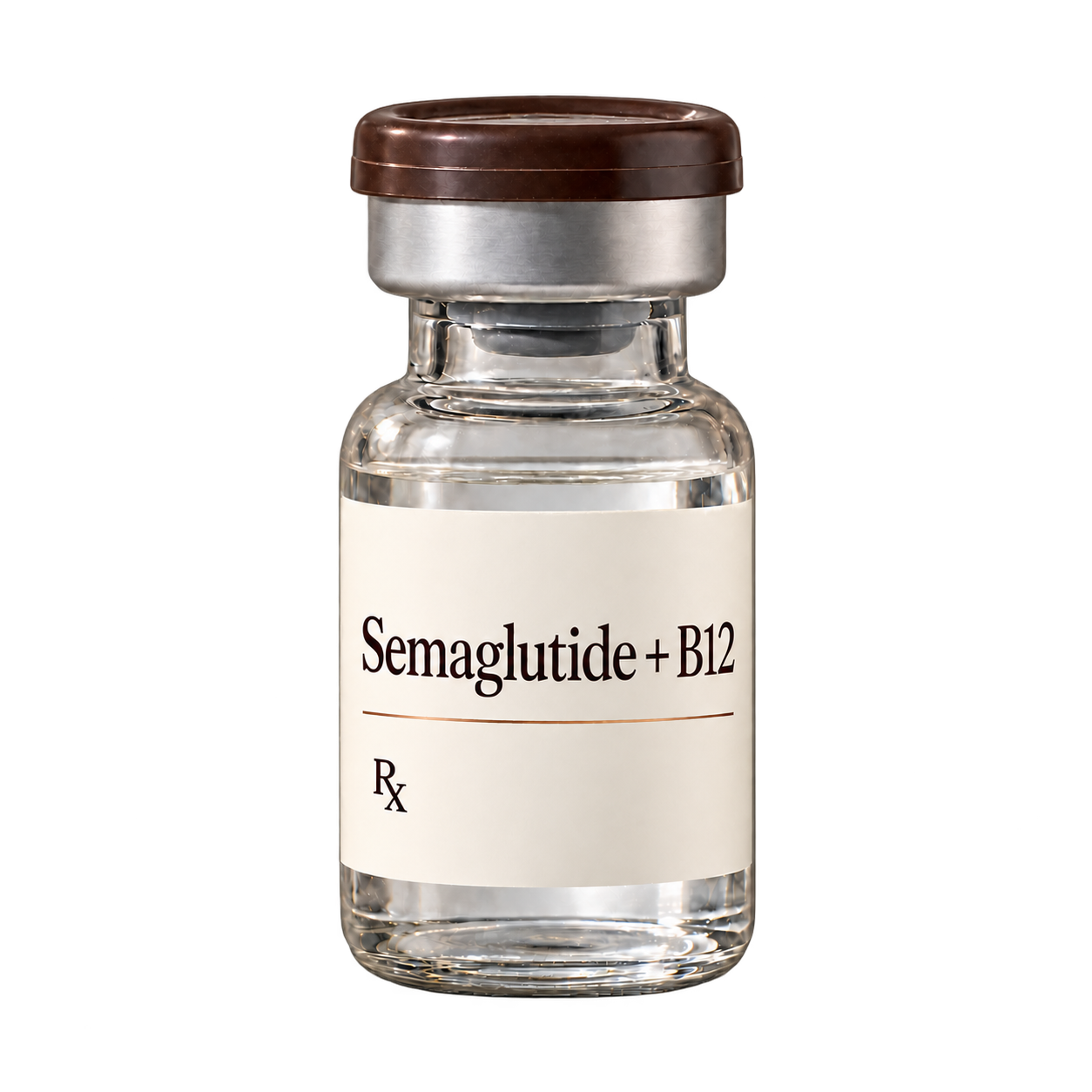
If you are searching for the best place to inject semaglutide, the safest answer comes from the Instructions for Use for FDA approved semaglutide injection pens. Those instructions list the approved injection sites and basic rotation guidance to help reduce local irritation. This page summarizes that label guidance at a high level and explains what to ask your clinician or pharmacist to demonstrate. If you are using compounded semaglutide, Vitals Vault can help you prepare questions, but your prescriber and dispensing pharmacy provide the exact directions.
- The best place to inject semaglutide is the abdomen, thigh, or upper arm, per Instructions for Use.
- Rotate injection sites and avoid repeatedly using the exact same spot.
- Do not inject into skin that is tender, bruised, red, or hard (Wegovy Instructions for Use).
- For compounded semaglutide, follow your prescriber and dispensing pharmacy instructions.
Best place to inject semaglutide (label sites)
Abdomen
FDA approved semaglutide injection pens list the abdomen as an injection site. Many people choose it because it is easy to see and reach. Use the Instructions for Use for your specific pen and have a clinician or pharmacist show you the technique.
Thigh
The thigh is also listed as an injection site in the Instructions for Use for semaglutide injection pens. If you are focused on how to inject semaglutide in thigh, the label guidance is about site choice and rotation, not technique details. Ask your clinician to demonstrate where on the thigh they recommend for you.
Upper arm
The upper arm is a labeled injection site for semaglutide injection pens. Some people need help using this site depending on reach and comfort. A clinician or pharmacist can show you how to use this site safely.
How injection sites work (what labels emphasize)
Rotate sites
Semaglutide pen Instructions for Use direct you to rotate your injection site. Rotation means changing the location of the injection from week to week, rather than using the exact same spot repeatedly. This is meant to reduce local skin reactions and irritation.
Avoid irritated skin
The Wegovy Instructions for Use say not to inject into skin that is tender, bruised, red, or hard. If you notice persistent lumps, swelling, or worsening redness at a site, use a different site and contact your clinician for guidance.
Follow your product instructions
Different semaglutide products can have different devices and directions. The Instructions for Use that come with your medication are the source to follow, and your clinician or pharmacist should train you on your specific product. This is especially important if you are prescribed a compounded formulation.
When to talk to a clinician
You are unsure about the site
If you are not sure which site is best for your body, ask your clinician to show you the labeled sites on your abdomen, thigh, or upper arm. They can also help you plan a rotation pattern that avoids areas that are sore or irritated. Bring your pen or pharmacy supplies to the visit if you can.
Injection site reactions persist
Mild redness or discomfort can happen with injections, but worsening pain, warmth, swelling, or drainage needs medical advice. Your clinician can help determine whether it is a local reaction, infection, or something else. Seek urgent care if you have signs of a severe allergic reaction.
You are using compounded semaglutide
Because compounded semaglutide is not FDA-approved and may come with different instructions than branded pens, confirm administration directions with the prescribing clinician and the dispensing pharmacy. Ask what to do if you miss a dose or have side effects, and who to contact after hours.
Pro tips for easier injections
Use a rotation reminder
Track sites in your notes so you do not repeat the same spot.
Inspect the skin first
Skip areas that are tender, bruised, red, or hard.
Ask for a demo
Have your clinician or pharmacist demonstrate your exact product.
Report unusual reactions
Call your clinician if redness, swelling, or pain is worsening.
Frequently Asked Questions
How to inject semaglutide?
For FDA approved semaglutide pens, the Instructions for Use describe where to inject and how to use the pen. Your prescribing clinician or pharmacist should show you how to inject it safely. If you use compounded semaglutide, follow directions from your prescriber and dispensing pharmacy.
How to inject semaglutide in thigh?
The thigh is one of the labeled injection sites for semaglutide injection pens. The label emphasizes using an approved site and rotating injection locations rather than using the same spot each time. Ask your clinician or pharmacist to demonstrate the thigh site for your product.
What is the best place to inject semaglutide?
The best place to inject semaglutide, per FDA approved pen Instructions for Use, is the abdomen, thigh, or upper arm. The label does not say one site works better for everyone. A clinician can help you choose a site you can use consistently and safely.
Can I switch between abdomen, thigh, and upper arm?
Yes. Semaglutide pen Instructions for Use list the abdomen, thigh, and upper arm as injection sites, and they instruct you to rotate sites. Confirm your rotation plan with your clinician, especially if you are using a compounded product.
What should I do if an injection site becomes red or painful?
The Wegovy Instructions for Use say not to inject into skin that is tender, bruised, red, or hard. Use a different site and contact your clinician if symptoms persist or worsen. Seek urgent care for signs of a severe allergic reaction.