
NAD+ peptide dosage: what to know
NAD+ peptide dosage is not standardized or FDA-labeled. Your prescriber sets a plan based on goals, risks, and how you respond.
Key facts
- NAD+ Injection is $250/month (billed $250 every 4 weeks), charged only after a clinician approves it.
- Answer a few health questions online. A licensed clinician reviews them. If approved, it ships to your door.
- Adults 18 or older. A licensed clinician reviews your health history and decides whether treatment is appropriate for you. Availability depends on the state you live in.


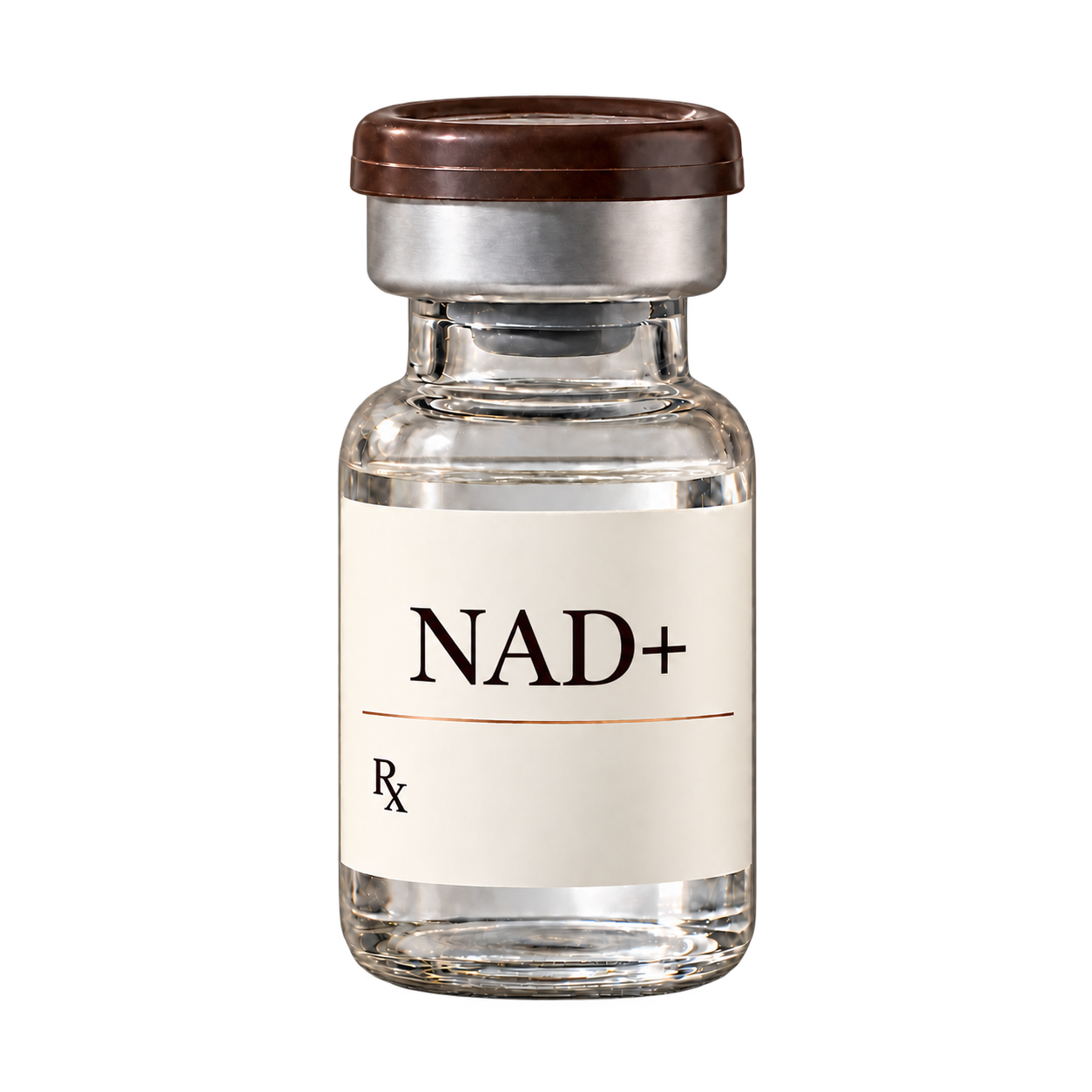
NAD+ peptide dosage is a common search, but there is no FDA-approved NAD+ injection product with a standardized dosing schedule you can look up like a prescription label. Most NAD+ injection programs are compounded, which means the dosing plan is set by the prescribing clinician and the dispensing pharmacy. This page explains what typically goes into dosing decisions and what to ask your prescriber, without telling you what dose to take.
- There is no single standard NAD+ peptide dosage, so your clinician individualizes a plan.
- NAD+ injections sold by compounding pharmacies are not FDA-approved and do not have an FDA dosing label.
- Avoid copying online “NAD+ dosing protocol” schedules without medical review of risks and meds.
- If you see “NAD 500 mg” or “NAD+ dosage per week,” treat it as marketing, not a universal rule.
NAD+ peptide dosage: what to know
Compounded products vary
Compounded NAD+ is prepared by a licensed pharmacy for an individual prescription and is not FDA-approved. Formulation details such as concentration, ingredients, and stability can differ by pharmacy, which can affect how a clinician approaches dosing and monitoring.
Online protocols are not labels
A “nad+ dosing protocol” you see online is usually not based on an FDA label and may not match what you were prescribed. Using someone else’s schedule can increase side effects or interact with other conditions or medications.
Dose depends on tolerability
Clinicians often think in terms of starting conservatively and adjusting based on tolerability and goals. If you have side effects, the safest next step is to contact the prescriber rather than trying to correct it yourself.
How dosing is usually decided
What you are using it for
NAD+ is often discussed in the context of wellness and longevity, but human evidence for specific outcomes is limited and not standardized into a labeled indication. Your clinician should clarify the intended goal and what would count as benefit versus side effects.
Your medical history and meds
A safe plan depends on your health history, including kidney or liver disease, pregnancy or breastfeeding status, and any history of serious reactions to injectable products. Your medication list matters too, because side effects like flushing, nausea, or blood pressure changes can overlap with other therapies.
Route and setting
People may encounter NAD+ marketed as injections or infusions, but the safety considerations are different depending on route and supervision. If you are prescribed a compounded injection, your prescriber and dispensing pharmacy should provide the exact administration instructions for that product.
How you respond over time
If a clinician uses a titration approach, it is typically based on how you feel after prior doses and whether side effects occurred. Keep a simple log of timing and symptoms so your clinician can make informed adjustments.
What “NAD 500 mg” means
A single number like “NAD 500 mg” is not a complete dosing instruction. It does not tell you the concentration, the volume, the route, the schedule, or whether it applies to an infusion versus an injection, and it may not match your prescription.
What “NAD+ dosage per week” misses
Weekly totals can hide important details like how doses are spaced, whether there are rest periods, and how side effects are handled. If you are considering a weekly schedule, ask your clinician what symptoms should trigger holding a dose and calling the office.
When to talk to a clinician
Before starting NAD+
Ask what evidence supports the goal you care about and what alternatives exist. Confirm whether your product is compounded, what exactly is in it, and what monitoring your clinician recommends.
If you have side effects
Contact your prescriber if you develop symptoms that are new, persistent, or worsening after a dose. Seek urgent care for severe allergic symptoms such as trouble breathing, swelling of the face or throat, or widespread hives.
If your health status changes
Tell your clinician if you become pregnant, plan pregnancy, start breastfeeding, develop a new medical condition, or start new prescriptions or supplements. Those changes can alter whether NAD+ is appropriate and how dosing should be approached.
If you see a new protocol online
Bring the protocol to your clinician and ask whether it is appropriate for you and your specific formulation. A clinician can help you separate marketing claims from what is known and unknown.
Practical questions to ask
What is my exact prescription?
Ask for the concentration, route, and schedule written on your pharmacy label.
What should I feel after a dose?
Ask which effects are expected versus signs you should call about.
What interactions matter for me?
Review your full medication and supplement list with the prescriber.
How will we monitor safety?
Ask whether any baseline or follow-up labs are recommended for your plan.
What is the plan if I miss a dose?
Ask for clinic-specific guidance rather than doubling or “catching up.”
Frequently Asked Questions
What is a typical NAD+ peptide dosage?
There is no single typical NAD+ peptide dosage that is standardized like an FDA-labeled prescription. If you are prescribed compounded NAD+, your clinician and pharmacy set the dose and schedule for your situation and adjust based on response and side effects.
Is there a standard NAD+ dosing protocol?
A standard NAD+ dosing protocol is not established by an FDA label for NAD+ injections, and protocols vary widely. If you see a protocol online, treat it as general information and review it with a licensed clinician before applying it to your prescription.
Does “NAD 500 mg” mean I should take that amount?
Not necessarily. “NAD 500 mg” is incomplete without the route, concentration, schedule, and clinical context, and it may refer to an infusion program rather than your prescription. Use only the instructions provided by your prescriber and dispensing pharmacy.
How do I interpret “NAD+ dosage per week” schedules?
Weekly totals can be misleading because they do not show spacing, rest periods, or how side effects are managed. If your plan is described weekly, ask your clinician what to do if you miss a dose and what symptoms should prompt a check-in.
Can I use Vitals Vault to decide my NAD+ dose?
Vitals Vault can help you organize questions and track information, but it cannot set your dose. Dosing decisions should be made by the prescribing clinician, especially because compounded NAD+ products are not FDA-approved and can vary by pharmacy.