
Hims minoxidil topical solution: how to apply it
Apply hims minoxidil topical solution to a clean, dry scalp as directed on the label, let it dry fully, and wash your hands after use.
Key facts
- Finasteride + Minoxidil Scalp Solution is $53.50/month (billed $107 every 50 days), charged only after a clinician approves it.
- Answer a few health questions online. A licensed clinician reviews them. If approved, it ships to your door.
- Adults 18 or older. A licensed clinician reviews your health history and decides whether treatment is appropriate for you. Availability depends on the state you live in.


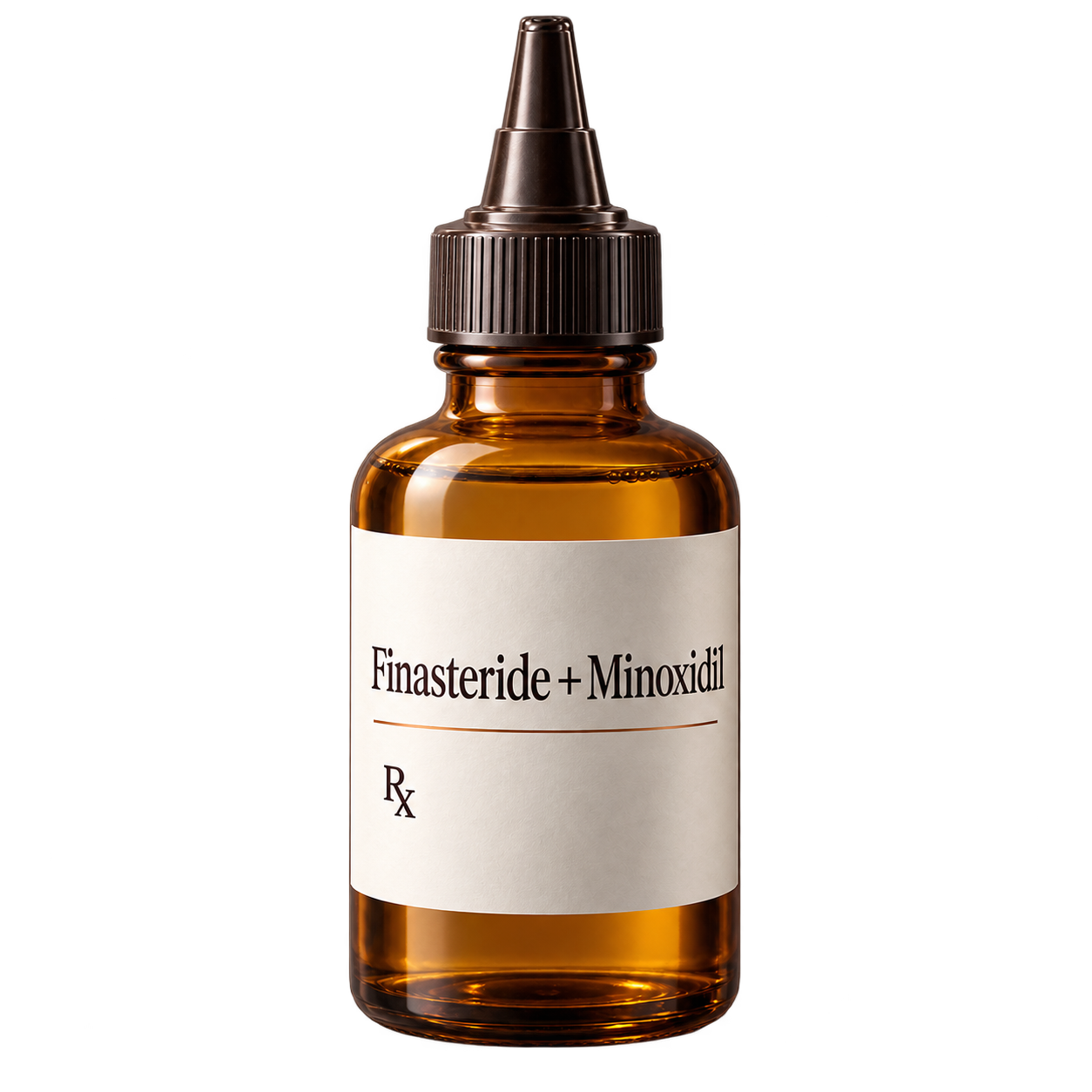
If you are using hims minoxidil topical solution for hair loss, the most important thing is to follow the product labeling and the Instructions for Use that come with your bottle. Application details matter because minoxidil can irritate skin and can be absorbed more if used on damaged scalp. Vitals Vault created this guide to explain label based use in plain language, so you know what to do and what to avoid.
- Use hims minoxidil topical solution on clean, dry scalp exactly as the label directs.
- Let the solution dry completely before bed, hats, or hair products.
- Wash your hands after applying and avoid contact with eyes or broken skin.
- Stop and get medical advice for chest pain, fast heartbeat, fainting, or swelling.
How to apply it safely
Apply to the scalp
Minoxidil topical solution is intended for the scalp, not the hair shafts. Apply it to the area of thinning on your scalp as directed on the product label and Instructions for Use. Avoid using it on other body areas unless a clinician specifically directs you to do so.
Start with clean, dry skin
Apply only to a clean, dry scalp. Using it on wet skin or right after showering can change how it spreads and may increase dripping. If your scalp is irritated, sunburned, or broken, ask a clinician before continuing.
Let it dry fully
Allow the solution to dry completely after applying. This helps reduce transfer to pillows, hats, or other people and lowers the chance of facial hair growth from accidental spread. Follow the label for any timing guidance around styling products.
Wash hands after use
Wash your hands after applying minoxidil. This reduces the chance of getting it in your eyes or on other skin, and reduces accidental transfer to children or pets. If you get it in your eyes, rinse with plenty of cool water and seek advice if irritation persists.
Label based use details
Where not to apply
Do not apply minoxidil to irritated, infected, sunburned, or broken scalp unless a clinician tells you it is safe. Avoid contact with eyes, mouth, and other mucous membranes. If you accidentally apply to other skin, wash the area to reduce unwanted hair growth.
Avoid extra use
Using more than directed or applying more often than directed does not improve results and can increase side effects. If you miss an application, follow the label guidance rather than doubling up. If you are unsure, ask your pharmacist or prescriber.
Hair products and heat
Follow the label for when you can use styling products after application. In general, applying minoxidil and then using heat tools or blow drying immediately can increase scalp irritation and may spread the product beyond the intended area. Let it dry first.
Flammability precautions
Many minoxidil solutions contain alcohol and are flammable. Keep the product away from open flames and do not smoke while applying it or right after application. Store it as directed on the package.
Common side effects
The most common issues are local scalp effects such as itching, dryness, scaling, or irritation. If irritation is persistent or severe, stop use and contact a clinician. Unwanted facial hair can happen if the product spreads beyond the scalp.
Serious symptoms to treat urgently
Stop using minoxidil and get medical help right away if you develop chest pain, a rapid heartbeat, fainting or dizziness, sudden unexplained weight gain, swelling of hands or feet, or shortness of breath. These can be signs of systemic effects and need prompt evaluation.
- What it is for
- Topical minoxidil is indicated for certain patterns of scalp hair loss; follow the product labeling.
- Where to apply
- Scalp only, to the thinning area, avoiding eyes and broken skin.
- Key safety point
- Using more than directed can increase side effects without improving benefit.
When to talk to a clinician
New or sudden hair loss
If your hair loss is sudden, patchy, or comes with scalp pain, redness, or scaling, check in with a clinician. These patterns can point to causes that need different treatment than minoxidil. A clinician can also review medications and medical conditions that contribute to shedding.
Heart or blood pressure history
Minoxidil was originally developed as an oral blood pressure medicine, and small amounts can be absorbed through the skin. If you have heart disease, blood pressure problems, or take cardiovascular medications, ask a clinician whether topical minoxidil is appropriate for you.
Persistent scalp irritation
If you develop ongoing burning, rash, severe itching, or swelling at the application site, stop and seek advice. You may be reacting to minoxidil or to inactive ingredients such as propylene glycol or alcohol. A clinician can help you decide whether a different formulation is safer.
Pregnancy or breastfeeding
If you are pregnant, trying to conceive, or breastfeeding, ask a clinician before using minoxidil. Safety information is limited, and your clinician can help weigh risks and alternatives. Keep minoxidil away from children and pets.
Pro tips for daily use
Build a routine
Apply at the same times each day so you do not accidentally overuse it.
Protect your pillow
Let it dry fully before bed to reduce transfer and irritation.
Keep it off your face
Wash hands after applying and avoid touching your face until clean.
Track scalp changes
Note itching, redness, or flaking so you can discuss patterns with a clinician.
Ask before switching
If you want foam, oral minoxidil, or combination products, ask a clinician first.
Frequently Asked Questions
How to use minoxidil?
Use minoxidil exactly as directed on the product label and Instructions for Use, applying it to clean, dry scalp in the thinning area. Let it dry completely and wash your hands after applying. Stop and seek care for chest pain, fast heartbeat, fainting, or swelling.
Does minoxidil help with minoxidil hair regrowth?
Topical minoxidil is labeled to help certain types of scalp hair loss, but results vary and it does not work for every cause of shedding. Using more than directed does not improve results and can increase side effects. A clinician can help confirm whether your pattern of hair loss fits the label.
Can I put hims minoxidil topical solution on wet hair?
Product labeling generally directs you to apply minoxidil to a clean, dry scalp. Applying to wet hair or wet scalp can increase dripping and spread the product beyond the intended area. Check your specific package directions or ask your pharmacist.
What should I do if minoxidil gets on my face or in my eyes?
If minoxidil gets on other skin, wash the area to reduce unwanted hair growth and irritation. If it gets in your eyes, rinse with plenty of cool water and seek medical advice if symptoms continue. Follow the warnings in your product labeling.
Can I use a compounded finasteride and minoxidil solution the same way?
Not always. Compounded medications are prepared by a licensed pharmacy for an individual prescription and are not FDA-approved, so directions can differ from over the counter minoxidil labeling. Use the instructions provided by your prescribing clinician and dispensing pharmacy.