
Do you have to use minoxidil forever?
How often to apply minoxidil, what affects the schedule, and what happens if you stop. Gains usually last only while you keep using it.
Key facts
- Finasteride + Minoxidil Scalp Solution is $53.50/month (billed $107 every 50 days), charged only after a clinician approves it.
- Answer a few health questions online. A licensed clinician reviews them. If approved, it ships to your door.
- Adults 18 or older. A licensed clinician reviews your health history and decides whether treatment is appropriate for you. Availability depends on the state you live in.


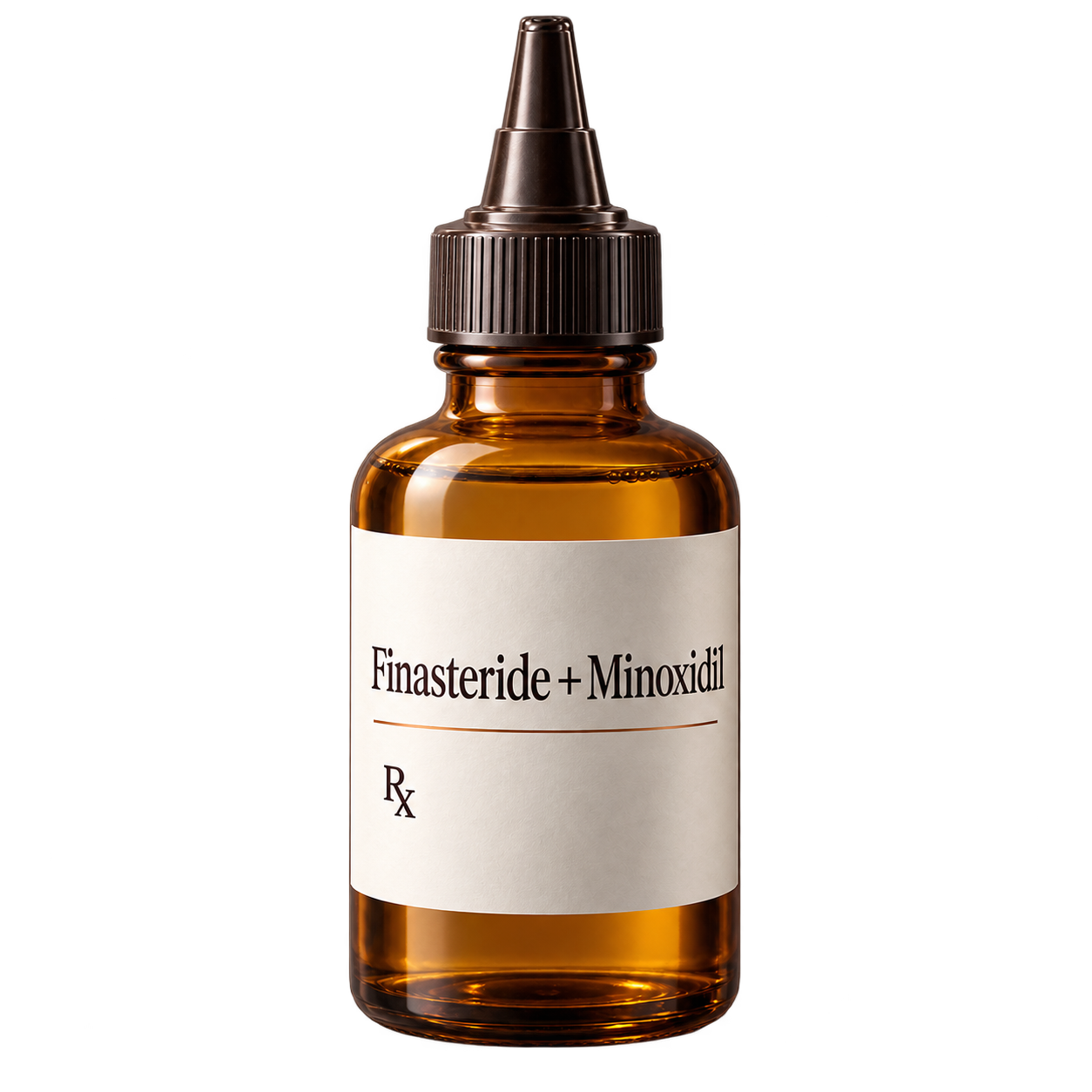
Minoxidil is a hair loss treatment that helps some people grow thicker hair or slow shedding, but it generally works only while you keep using it. If you stop, the hair you maintained or regrew can gradually shed and return toward your baseline. This guide explains how often to use minoxidil, what “long term use” usually means, and when to check in with a clinician. If you want a clinician reviewed plan, Vitals Vault can connect you with care options and ongoing support where available.
- For most people, yes: you usually need ongoing minoxidil to maintain results.
- How often to use minoxidil depends on the product label and your clinician plan.
- If you stop, shedding can return and you may lose regrown hair over time.
- Scalp irritation is common; chest pain, fainting, or fast heartbeat need urgent care.
Do you have to use minoxidil forever?
Why stopping can undo progress
Minoxidil supports hair follicles while it is being used. When it is discontinued, the follicles are no longer getting that support, so hair can shift back toward its prior growth pattern. This is why many people notice increased shedding after stopping.
What “forever” really means
For androgenetic alopecia (pattern hair loss), treatment is often long term because the underlying tendency for miniaturization continues. Many people use minoxidil as an ongoing routine and reassess with a clinician if goals or side effects change.
If you are combining treatments
Some plans pair minoxidil with other hair loss treatments, such as finasteride, to target different pathways. Whether you can reduce or stop one part of a plan depends on your response and risk profile, so it is a clinician decision.
How often to use minoxidil (and what affects the schedule)
Follow the specific product label
How often to use minoxidil depends on the formulation and strength, and the instructions differ across products. Use the directions on your specific package or the plan your prescribing clinician gives you. Using more than directed does not necessarily improve results and may raise side effect risk.
Topical versus oral matters
Topical minoxidil is FDA approved for certain hair loss uses, while oral minoxidil for hair loss is an off label use. Because oral minoxidil can affect blood pressure and heart rate, dosing frequency and monitoring should be set by a clinician.
Consistency matters more than “perfect timing”
Minoxidil is typically used on a regular schedule over months, not as needed. Missing applications occasionally is common, but frequent gaps can reduce the chance of maintaining benefit. If you are struggling with adherence, ask about a simpler routine.
Expect a long runway
Hair growth cycles are slow, so visible change can take time and early shedding can happen. Many labels and clinical references describe reassessing after several months of consistent use rather than days or weeks. A clinician can help you decide when it is reasonable to evaluate response.
| Question | What to do | Why it matters |
|---|---|---|
| Should I use minoxidil more often for faster results? | Do not exceed your product directions or clinician plan. | Higher exposure can increase side effects without guaranteed added benefit. |
| What if I miss a day? | Resume your usual schedule and ask your clinician if misses are frequent. | Consistency supports maintenance; repeated gaps can reduce benefit. |
| Can I stop once my hair looks better? | Discuss a maintenance plan before stopping. | Stopping can allow shedding and gradual loss of regrowth. |
| Does adding finasteride change how often I use minoxidil? | Only change frequency if your clinician adjusts your plan. | The treatments work differently and have different risks and monitoring needs. |
When to talk to a clinician
You have heart symptoms
Stop and seek urgent medical care for chest pain, fainting, severe dizziness, or a fast or irregular heartbeat. These symptoms are listed as reasons to get medical help promptly with minoxidil products. If you have heart disease or take blood pressure medicines, ask a clinician before using minoxidil.
You get swelling or rapid weight change
Swelling of hands, feet, or face, or sudden unexplained weight gain can signal fluid retention and needs medical evaluation. This is especially important if you are using oral minoxidil off label or have kidney or heart conditions. Do not try to manage this on your own.
Your scalp is irritated or inflamed
Itching, dryness, flaking, or redness can happen with topical minoxidil, sometimes due to the vehicle ingredients. A clinician can help you troubleshoot contact dermatitis, adjust the formulation, or rule out other scalp conditions that mimic hair loss.
You are pregnant or could be pregnant
Talk with a clinician before using minoxidil if you are pregnant, trying to conceive, or breastfeeding. If your plan includes finasteride, pregnancy exposure precautions are especially important because finasteride can cause fetal harm with exposure during pregnancy.
Hair loss is sudden or patchy
Sudden shedding, patchy hair loss, scalp pain, or scarring can point to causes other than pattern hair loss, such as thyroid disease, iron deficiency, alopecia areata, or inflammatory scalp disorders. A clinician can decide whether you need labs, a scalp exam, or a dermatology referral.
Pro tips for sticking with it
Tie it to a daily habit
Link application to brushing your teeth or skincare to improve consistency.
Track photos monthly
Use the same lighting and angle so changes are easier to see.
Plan for scalp sensitivity
If irritation happens, ask about switching vehicles or concentrations.
Recheck the diagnosis
If shedding is sudden or diffuse, consider labs and a clinician review.
Do not self adjust oral use
Oral minoxidil for hair loss is off label and needs clinician oversight.
Frequently Asked Questions
How often to use minoxidil?
Use minoxidil as directed on your specific product label or as prescribed by your clinician, because schedules differ by formulation and strength. Using it more often than directed can increase side effects without proven added benefit. If you are using a compounded product, follow the pharmacy directions.
Do you have to use minoxidil forever to keep results?
For many people, yes. Minoxidil tends to maintain or improve hair while you keep using it, and stopping can allow shedding and gradual loss of regrowth over time. A clinician can help you decide what long term maintenance looks like for you.
What happens if you stop minoxidil after months or years?
Many people gradually lose the benefit after stopping, and shedding can increase as hair returns toward its prior pattern. The timing varies by person and by the cause of hair loss. If you want to stop, discuss a plan with a clinician first.
Is oral minoxidil different from topical for how often you use it?
Yes. Oral minoxidil for hair loss is an off label use and can affect blood pressure and heart rate, so frequency and monitoring should be set by a clinician. Topical minoxidil has labeled directions that you should follow exactly.
Can I use minoxidil less often once my hair improves?
Some people consider a maintenance approach, but the right schedule depends on your response and side effect risk. Changing frequency can affect how well you maintain results. Ask your clinician before reducing or stopping, especially if you are on a combination plan.