
Minoxidil results: how long does it take?
Minoxidil results often take months. Early shedding can happen first, then gradual thickening. Your timeline depends on consistency and hair loss type.
Key facts
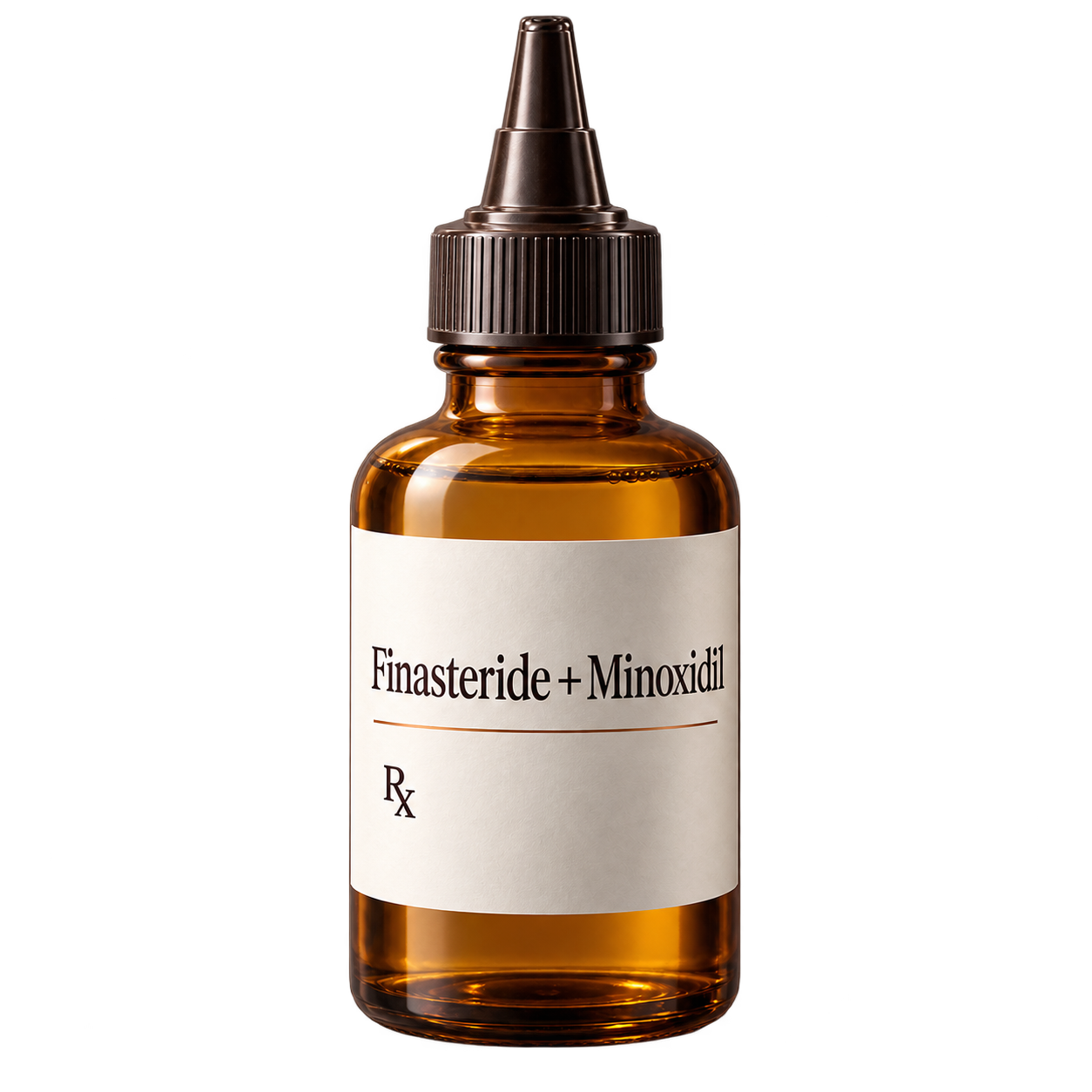
- Finasteride + Minoxidil Scalp Solution is $53.50/month (billed $107 every 50 days), charged only after a clinician approves it.
- Answer a few health questions online. A licensed clinician reviews them. If approved, it ships to your door.
- Adults 18 or older. A licensed clinician reviews your health history and decides whether treatment is appropriate for you. Availability depends on the state you live in.


If you are watching for minoxidil results, the hardest part is that improvement is slow and subtle at first. Studies and FDA labeling show that it can take several months of consistent use to see visible change, and some people notice shedding early on. This guide explains what a typical minoxidil timeline can look like, why results vary, and when it is worth checking in with a clinician. If you are using a clinician-guided plan through Vitals Vault, these expectations can help you track progress more realistically.
- Minoxidil results usually take months, not weeks, with gradual change over time.
- An early shedding phase can happen before regrowth becomes noticeable.
- Consistency matters because stopping typically leads to loss of gained hair.
- Your timeline depends on hair loss cause, stage, and whether you combine treatments.
Minoxidil results: how long does it take?
Expect months, not days
For most people, minoxidil results are gradual and typically require several months of consistent use. The FDA labeling for topical minoxidil notes that hair growth may be seen after about 4 months, and continued use is needed to maintain regrowth. If you stop, new hair is usually lost over time.
Early shedding can be normal
Some people notice increased shedding early in treatment. This can happen when hairs shift from a resting phase into a growth cycle, making older hairs shed before new growth becomes visible. Shedding that is severe, patchy, or paired with scalp symptoms is a reason to check in.
The 3 month mark is often subtle
Searches like "3 month minoxidil results" are common, but at 3 months many people see only small changes, such as less shedding or fine new hairs. Clinical trials of topical minoxidil assess outcomes over months, not weeks, which matches the biology of hair cycling.
What affects your minoxidil timeline
Where you are starting from
Minoxidil is studied and FDA-approved for androgenetic alopecia (pattern hair loss) on the scalp, and it tends to work best when follicles are still active. If hair loss has been present for a long time or the area is completely smooth, regrowth may be limited. A clinician can help confirm the likely cause.
Consistency and contact time
Topical minoxidil works only while you keep using it. The FDA label emphasizes continued use to sustain regrowth, and stopping typically leads to a return toward baseline hair density. Missed applications can slow or blunt visible progress.
Scalp health and irritation
Scalp irritation can make it harder to stay consistent and may worsen shedding for some people. In the FDA label, local reactions like itching, dryness, scaling, and dermatitis are listed as possible side effects. If irritation is persistent, a clinician can suggest adjustments or alternatives.
Sex and formulation differences
The FDA has separate topical minoxidil products and labeling for men and women, and results can vary by sex and concentration. If you are using a compounded combination (for example, minoxidil with finasteride or other ingredients), the expected timeline may not match any single FDA-labeled product exactly.
Adding finasteride changes expectations
Finasteride (oral) is FDA-approved for male pattern hair loss and works by lowering scalp dihydrotestosterone (DHT). Combining mechanisms is common in clinical practice, but the timeline you notice can reflect both treatments, plus normal hair cycling. Finasteride has important sexual side effects to discuss before use.
Other causes can mimic pattern loss
Low iron stores, thyroid disease, recent illness, childbirth, rapid weight change, and some medications can contribute to shedding. If the underlying driver is not addressed, minoxidil results may be disappointing. A clinician may recommend labs or an exam to look for treatable contributors.
When to talk to a clinician
No change after months
If you have used minoxidil consistently for several months and see no improvement, it is reasonable to reassess the diagnosis and plan. The FDA label suggests evaluating response after about 4 months for topical minoxidil. A clinician can confirm whether you are treating the right type of hair loss.
Sudden or patchy hair loss
Rapid shedding, bald patches, scalp pain, or scaling can point to conditions that need a different approach than minoxidil alone. Examples include alopecia areata, tinea capitis (fungal infection), or inflammatory scalp disorders. Seek care rather than trying to push through.
Chest pain, fast heartbeat, dizziness
Although uncommon with topical use, minoxidil can cause systemic effects in some people. The FDA labeling warns to stop use and see a clinician if you develop chest pain, rapid heartbeat, faintness, or dizziness. These symptoms need prompt medical evaluation.
Swelling or sudden weight gain
The FDA label advises stopping and contacting a clinician if you notice swelling of hands or feet or unexplained rapid weight gain, which can signal fluid retention. This is especially important if you have heart or kidney conditions. Do not ignore these changes.
Pro tips for sticking with it
Track monthly, not daily
Take photos in the same lighting once a month to spot gradual change.
Set a realistic checkpoint
Plan to reassess after several months, not after a few weeks.
Protect your routine
Tie application to a daily habit so missed doses are less likely.
Flag side effects early
If irritation or symptoms appear, check in before you quit abruptly.
Ask about root causes
If shedding is diffuse, consider a clinician visit and targeted labs.
Frequently Asked Questions
How long for minoxidil to work and show minoxidil results?
Minoxidil results usually take months, not days. FDA labeling for topical minoxidil notes hair growth may be seen after about 4 months, and continued use is needed to maintain regrowth. Your timeline can vary with the cause and stage of hair loss.
What is a typical minoxidil timeline?
A typical minoxidil timeline includes an early adjustment period, sometimes with shedding, followed by gradual thickening over months. Clinical studies evaluate outcomes over months because hair growth cycles are slow. If you are unsure you are improving, monthly photos can help.
Are 3 month minoxidil results common?
At 3 months, some people notice subtle changes like less shedding or fine new hairs, but many do not see dramatic visible thickening yet. The FDA label suggests hair growth may be seen after about 4 months with topical minoxidil. Consistency is a major factor.
Why am I shedding more after starting minoxidil?
Increased shedding can happen early because hairs may shift from a resting phase into a growth cycle, pushing older hairs out. This can be temporary, but severe, patchy, or painful shedding should be evaluated. A clinician can help rule out other causes.
If I stop minoxidil, will I lose the hair I gained?
Often, yes. FDA labeling notes that continued use is needed to maintain regrowth, and stopping can lead to a return toward baseline over time. If you are thinking about stopping due to side effects or lack of progress, discuss options with a clinician.