
Mounjaro long-term side effects: what to watch for
Mounjaro long-term side effects can include ongoing GI symptoms and rare serious risks like pancreatitis and gallbladder disease. Know what to watch for.
Key facts
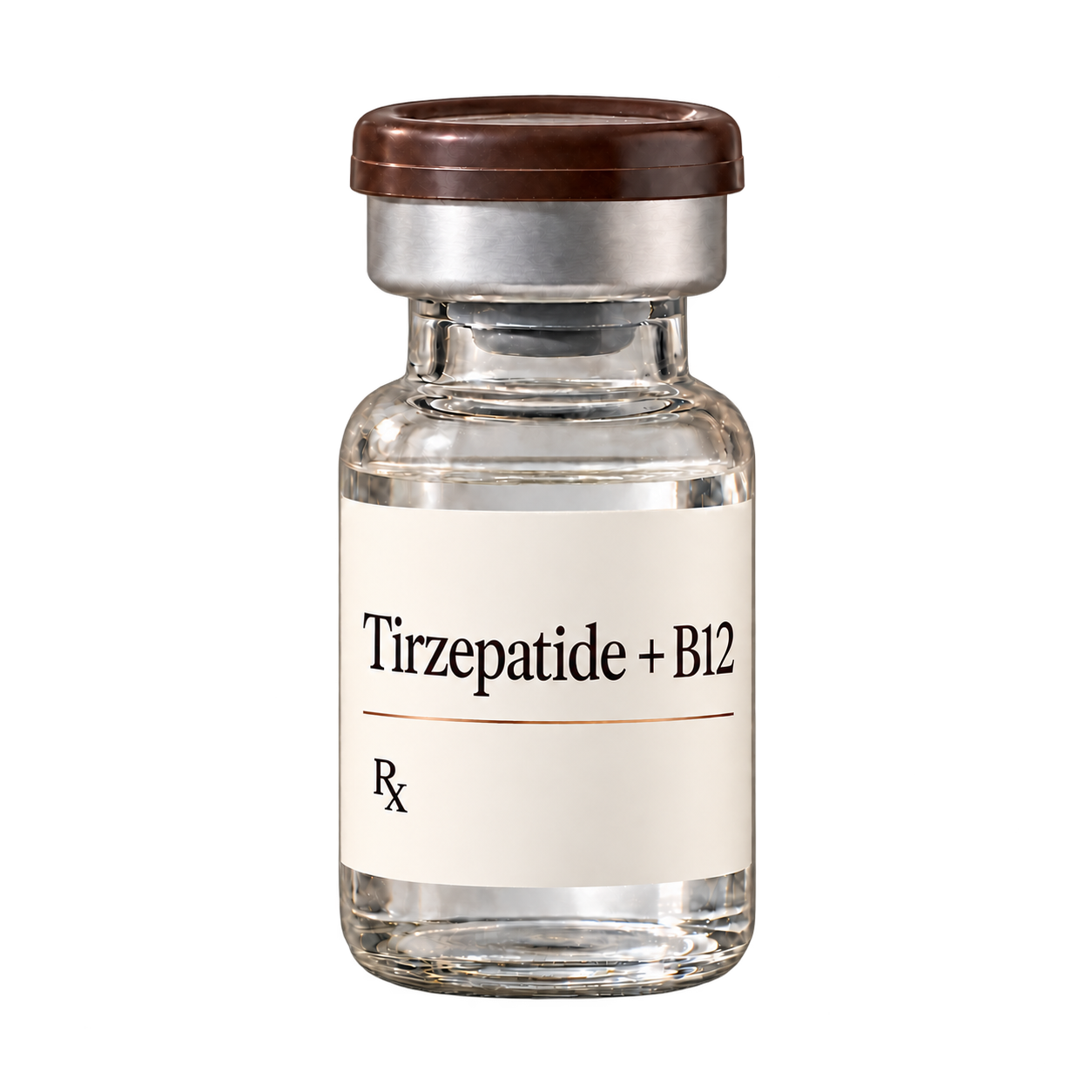
- Tirzepatide + B12 is $169/month (billed $169 every 4 weeks), charged only after a clinician approves it.
- Answer a few health questions online. A licensed clinician reviews them. If approved, it ships to your door.
- Adults 18 or older. A licensed clinician reviews your health history and decides whether treatment is appropriate for you. Availability depends on the state you live in.


If you are searching for mounjaro long-term side effects, you are usually trying to separate what is annoying but manageable from what could signal a serious problem. Tirzepatide (Mounjaro) can cause gastrointestinal symptoms that sometimes continue over time, and it also carries uncommon but important risks listed in the FDA prescribing information. This guide summarizes what is known from the label and clinical evidence, what symptoms should prompt a call or urgent evaluation, and what labs can help check certain complications.
- Mounjaro long-term side effects are usually ongoing stomach symptoms, but rare serious risks can occur.
- Nausea, diarrhea, constipation, and reflux may persist, especially during dose changes.
- Seek urgent care for severe belly pain, vomiting, or dehydration signs.
- Discuss gallbladder symptoms, kidney issues, and thyroid neck symptoms with your clinician.
What are “long-term” side effects with Mounjaro?
Common versus serious
Common effects are typically stomach and bowel related and often improve with time, slower titration, and supportive care. Serious effects are uncommon but need prompt evaluation because they can worsen quickly or cause lasting harm.
Why “long-term” varies
Side effects can be more noticeable during dose escalation and may settle at a stable dose. Your personal risk depends on your health history, other medications, hydration, and how your body tolerates slowed stomach emptying.
Brand versus compounded
Mounjaro is a brand product. Vitals Vault offers Tirzepatide (compounded, injectable) as a compounded medication, not Mounjaro. Never treat compounded tirzepatide as a generic of Mounjaro, and note that compounded medications are not FDA-approved.
Long-term side effects and risks: what to watch for
Ongoing nausea and vomiting
Nausea and vomiting are among the most common adverse reactions with tirzepatide and can persist for some people. Persistent vomiting matters because it can lead to dehydration, which can worsen kidney function. Tell your clinician if you cannot keep fluids down or symptoms are not improving.
Diarrhea or constipation
Diarrhea and constipation are common with tirzepatide and may come and go over time. Ongoing diarrhea can contribute to dehydration and electrolyte imbalance, while constipation can become severe if you are not eating or drinking enough. A clinician can help you choose safe symptom relief based on your history.
Reflux, burping, and stomach fullness
Tirzepatide slows gastric emptying, which can feel like early fullness, bloating, reflux, or sulfur burps for some people. These symptoms may persist, especially with larger meals or higher fat meals. If reflux is severe, persistent, or associated with chest pain, seek medical evaluation.
Pancreatitis (inflammation of the pancreas)
Acute pancreatitis has been reported with tirzepatide and other GLP-1 receptor agonist medicines. Seek urgent evaluation for severe, persistent abdominal pain that may radiate to the back, with or without vomiting. If pancreatitis is suspected, a clinician will evaluate and decide next steps.
Gallbladder disease
Acute gallbladder disease has been reported with tirzepatide. Symptoms can include right upper abdominal pain, fever, nausea, vomiting, or yellowing of the skin or eyes. Because gallbladder problems can become complications, contact a clinician promptly if these occur.
Kidney problems from dehydration
Acute kidney injury and worsening chronic kidney failure have been reported with GLP-1 based therapies, sometimes in the setting of nausea, vomiting, diarrhea, or dehydration. If you have reduced urination, dizziness, fainting, or cannot maintain fluids, seek urgent care. Your clinician may monitor kidney function if you have risk factors.
Low blood sugar with certain meds
Tirzepatide can increase the risk of hypoglycemia when used with insulin secretagogues (such as sulfonylureas) or insulin. Symptoms can include shakiness, sweating, confusion, or fainting. If you take diabetes medications, ask your prescriber how to monitor and what to do if symptoms occur.
Thyroid C-cell tumor warning
Tirzepatide has a boxed warning for risk of thyroid C-cell tumors based on animal studies, and it is contraindicated in people with a personal or family history of medullary thyroid carcinoma (MTC) or Multiple Endocrine Neoplasia syndrome type 2 (MEN 2). Contact a clinician for a neck lump, hoarseness, trouble swallowing, or shortness of breath.
Diabetic retinopathy complications
In people with type 2 diabetes, rapid improvements in blood sugar control can be associated with temporary worsening of diabetic retinopathy. If you have diabetes and notice vision changes, report them promptly. Eye monitoring may be appropriate based on your baseline risk.
Allergic reactions
Serious hypersensitivity reactions (including anaphylaxis and angioedema) have been reported with tirzepatide. Seek emergency care for swelling of the face, lips, tongue, or throat, trouble breathing, or widespread hives. Mild injection site reactions can occur and are usually not dangerous.
When to call a clinician or seek urgent care
| What you notice | Why it matters | What to do |
|---|---|---|
| Severe, persistent abdominal pain, with or without vomiting | Could signal pancreatitis or gallbladder disease | Seek urgent evaluation |
| Repeated vomiting, severe diarrhea, dizziness, fainting, very low urine output | Dehydration can lead to kidney injury | Seek urgent care, especially if you cannot keep fluids down |
| Right upper abdominal pain, fever, jaundice | Possible gallbladder inflammation or obstruction | Call a clinician promptly or seek urgent evaluation |
| Neck lump, hoarseness, trouble swallowing, shortness of breath | Symptoms that warrant evaluation given boxed warning context | Call a clinician promptly |
| Swelling of face or throat, trouble breathing, widespread hives | Possible severe allergic reaction | Call emergency services |
Practical ways to reduce side effects (discuss with your clinician)
Prioritize hydration
If you have nausea or diarrhea, dehydration is a key risk to prevent.
Smaller, slower meals
Slower stomach emptying can feel worse with large or high-fat meals.
Track patterns
Note timing of symptoms, foods, and dose changes to share with your clinician.
Review other medications
Ask about oral drugs that need consistent absorption or narrow dosing windows.
Do not ignore red flags
Severe belly pain, persistent vomiting, or allergic symptoms need prompt care.
Frequently Asked Questions
What are mounjaro long-term side effects?
Most long-term effects are ongoing gastrointestinal symptoms like nausea, diarrhea, constipation, and reflux. Rare but serious risks listed in the prescribing information include pancreatitis, gallbladder disease, kidney injury (often related to dehydration), and severe allergic reactions.
Are long term side effects of Mounjaro permanent?
Many side effects improve after your body adjusts or after dose changes settle, but some can persist while you are taking tirzepatide. Serious complications are uncommon, but they can be medically significant, so new or severe symptoms should be evaluated promptly.
Can Mounjaro cause pancreatitis long term?
Acute pancreatitis has been reported with tirzepatide and related medicines. It is not something to monitor at home over time, but it is important to recognize warning symptoms such as severe, persistent abdominal pain and seek urgent evaluation.
What labs can help check serious side effects from GLP-1 medicines?
If symptoms suggest dehydration or kidney stress, clinicians often look at kidney function and electrolytes. If symptoms raise concern for pancreatitis, lipase is commonly used as part of the evaluation, alongside a clinical exam and sometimes imaging.
Does Vitals Vault offer Mounjaro?
Mounjaro is a brand product. Vitals Vault offers Tirzepatide (compounded, injectable) as a compounded medication, not Mounjaro, and compounded medications are not FDA-approved. A licensed clinician reviews your history and decides whether treatment is appropriate.