
How does ozempic help you lose weight?
How does Ozempic help you lose weight? It reduces appetite and slows stomach emptying. It is approved for type 2 diabetes, not weight loss.
Key facts
- Semaglutide + B12 is $157/month (billed $157 every 4 weeks), charged only after a clinician approves it.
- Answer a few health questions online. A licensed clinician reviews them. If approved, it ships to your door.
- Adults 18 or older. A licensed clinician reviews your health history and decides whether treatment is appropriate for you. Availability depends on the state you live in.





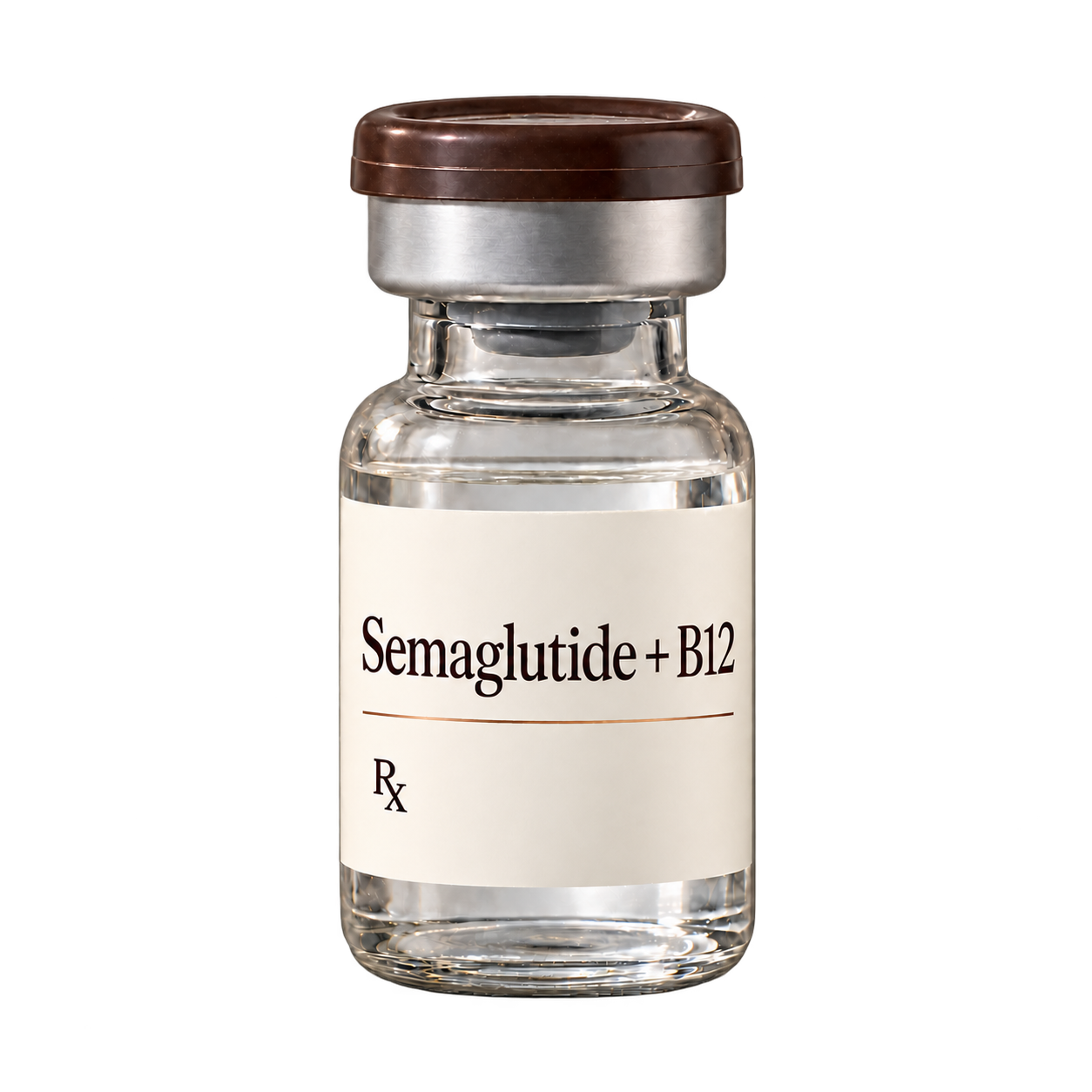
If you are asking how does ozempic help you lose weight, the short answer is that semaglutide (the active ingredient) can make you feel less hungry, feel full sooner, and keep food in your stomach longer. Those effects can lower calorie intake over time. Because safety and eligibility depend on your health history, Vitals Vault pairs weight-loss plans with clinician review and follow-up. It is also important to know that Ozempic is approved for type 2 diabetes, while Wegovy uses semaglutide for chronic weight management.
- Ozempic can help you lose weight mainly by reducing appetite and slowing stomach emptying.
- Ozempic is FDA-approved for type 2 diabetes, not weight loss; Wegovy is the weight-loss version of semaglutide.
- Weight loss varies and depends on dose, duration, and lifestyle changes used with treatment.
- Nausea, vomiting, diarrhea, and constipation are common; some risks are serious and need urgent care.
How Ozempic can lead to weight loss
Less hunger
Ozempic contains semaglutide, a GLP-1 receptor agonist. GLP-1 is a gut hormone that helps regulate appetite. By activating GLP-1 receptors, semaglutide can reduce hunger and cravings, which can make it easier to eat less without feeling constantly deprived.
Full sooner
Semaglutide can increase feelings of fullness after meals. Many people notice they are satisfied with smaller portions, which can reduce overall calorie intake. This effect is part of how GLP-1 medicines support weight loss when paired with nutrition and activity changes.
Slower stomach emptying
Ozempic slows gastric emptying, meaning food leaves your stomach more slowly. That can help you feel full longer, but it can also contribute to gastrointestinal side effects like nausea or constipation. Slower stomach emptying can also affect how quickly some oral medicines are absorbed.
Better blood sugar control
In people with type 2 diabetes, semaglutide improves blood sugar by increasing insulin release when glucose is high and lowering glucagon. More stable blood sugar may reduce hunger swings for some people, although weight loss is not guaranteed and varies by person.
Mechanisms, evidence, and safety
What the evidence shows
In a large trial in adults without diabetes, semaglutide 2.4 mg once weekly plus lifestyle intervention led to greater average weight loss than placebo plus lifestyle intervention over 68 weeks. This trial used Wegovy dosing, not Ozempic dosing, but it helps explain why semaglutide can affect weight.
Common side effects
The most common side effects with Ozempic are gastrointestinal, including nausea, vomiting, diarrhea, abdominal pain, and constipation. These effects are often most noticeable when starting or increasing the dose, and they may improve over time.
Thyroid C-cell tumor warning
Ozempic has a boxed warning about the risk of thyroid C-cell tumors seen in rodents. It is contraindicated if you or a family member has medullary thyroid carcinoma (MTC) or if you have Multiple Endocrine Neoplasia syndrome type 2 (MEN 2).
Pancreatitis
Acute pancreatitis has been reported with GLP-1 receptor agonists, including Ozempic. Seek urgent medical care for severe abdominal pain that may radiate to the back, with or without vomiting.
Gallbladder problems
Gallbladder disease (including gallstones) can occur with weight loss and has been reported with semaglutide. Contact a clinician promptly for right upper abdominal pain, fever, jaundice, or clay-colored stools.
Kidney injury from dehydration
Worsening kidney function has been reported, sometimes in the setting of nausea, vomiting, diarrhea, or dehydration. If you cannot keep fluids down or you have signs of dehydration, contact a clinician quickly.
When to talk with a clinician
If you have thyroid cancer risk
Tell a clinician if you have a personal or family history of medullary thyroid carcinoma or MEN 2. These are listed contraindications for Ozempic, and similar caution is generally used when considering semaglutide therapy.
If you have severe GI symptoms
Persistent vomiting, inability to keep fluids down, or severe abdominal pain is not a normal adjustment symptom. These can be signs of dehydration, pancreatitis, or gallbladder disease and should be evaluated urgently.
If you use insulin or sulfonylureas
Combining semaglutide with insulin or an insulin secretagogue (such as a sulfonylurea) can increase the risk of low blood sugar. A clinician may adjust other diabetes medicines and discuss how to recognize and treat hypoglycemia.
If you have eye disease from diabetes
Diabetic retinopathy complications have been reported with semaglutide in people with type 2 diabetes. If you have existing diabetic eye disease or notice vision changes, ask about eye monitoring.
Practical tips to reduce side effects
Eat smaller meals
Smaller, lower-fat meals can be easier to tolerate if nausea shows up.
Hydrate consistently
Sipping fluids can help if your stomach feels unsettled or you have diarrhea.
Limit alcohol if nauseated
Alcohol can worsen nausea and dehydration for some people.
Track symptoms and triggers
Note which foods, meal size, or timing make symptoms better or worse.
Ask about interactions
Because gastric emptying slows, ask whether any oral meds need monitoring.
Frequently Asked Questions
Does Ozempic help you lose weight?
Ozempic can lead to weight loss in some people because semaglutide reduces appetite and slows stomach emptying. However, Ozempic is FDA-approved for type 2 diabetes, not weight loss. A clinician can help you compare options, including Wegovy for chronic weight management.
How does ozempic help you lose weight if you are not diabetic?
Semaglutide can reduce hunger and increase fullness even in people without diabetes, which can lower calorie intake. The strongest weight-loss evidence comes from trials using the Wegovy dose of semaglutide. Eligibility and safety still depend on your medical history.
Is compounded semaglutide the same as Ozempic?
No. Ozempic is a brand product, while compounded semaglutide is prepared by a pharmacy for an individual prescription and is not FDA-approved. If you are considering a compounded option, ask what ingredients and dosing schedule your clinician and pharmacy use.
What side effects are most common when using Ozempic for weight loss?
The most common side effects are nausea, vomiting, diarrhea, abdominal pain, and constipation. These are often more noticeable when starting or increasing the dose. Contact a clinician urgently for severe abdominal pain, persistent vomiting, or dehydration.
Who should not take Ozempic?
Ozempic is contraindicated in people with a personal or family history of medullary thyroid carcinoma or in people with MEN 2. It may not be appropriate for everyone, especially with certain gastrointestinal conditions or a history of pancreatitis. A licensed clinician should review your risks and alternatives.