
I got pregnant while taking Ozempic: what now
If you got pregnant while taking Ozempic, contact your prescriber promptly. Semaglutide is not recommended in pregnancy. Discuss next steps together.
Key facts
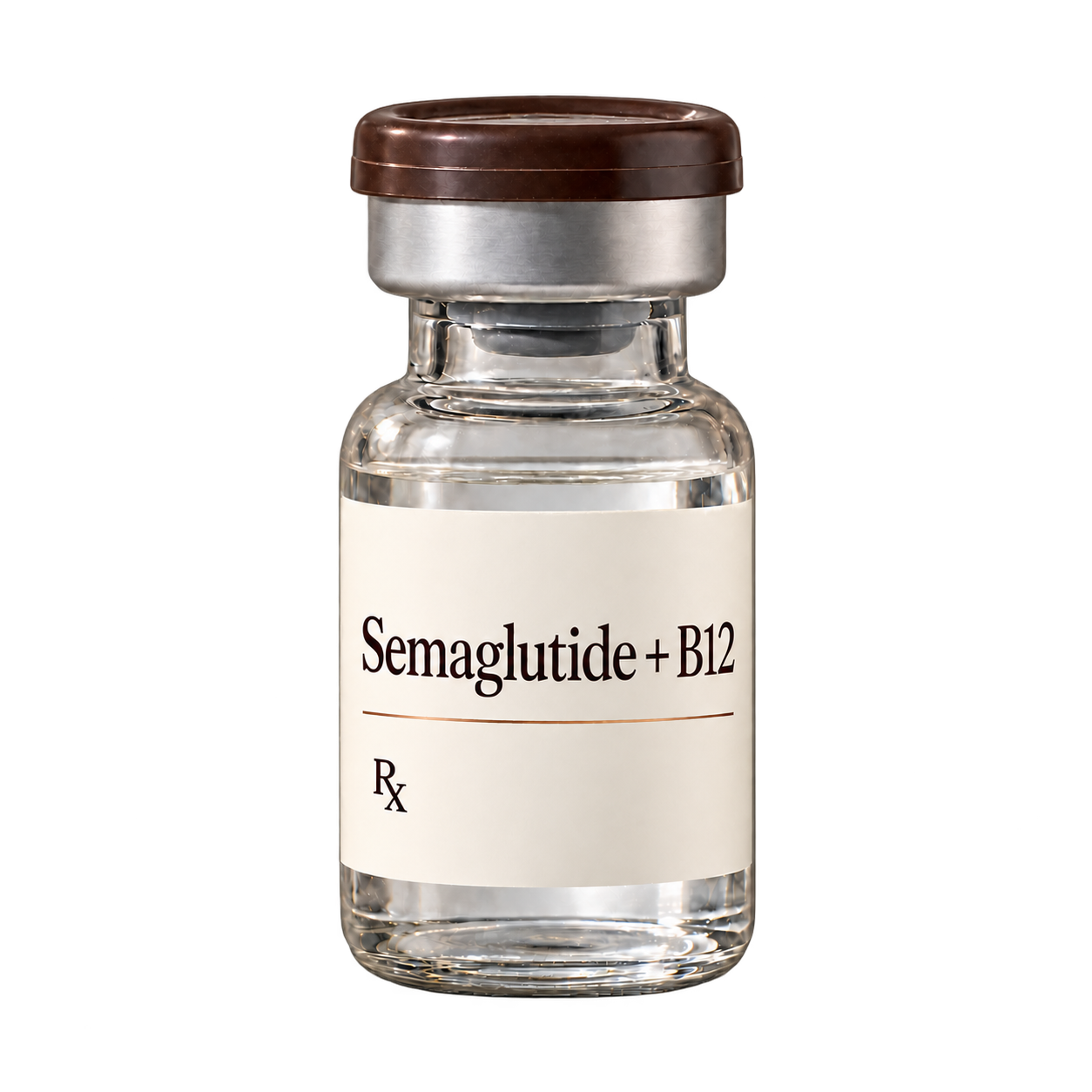
- Semaglutide + B12 is $157/month (billed $157 every 4 weeks), charged only after a clinician approves it.
- Answer a few health questions online. A licensed clinician reviews them. If approved, it ships to your door.
- Adults 18 or older. A licensed clinician reviews your health history and decides whether treatment is appropriate for you. Availability depends on the state you live in.


If you got pregnant while taking Ozempic (semaglutide), the most important step is to contact the clinician who prescribed it as soon as you can. Semaglutide is generally not recommended during pregnancy, and your care team can help you decide what to do next based on your health and pregnancy plans. This page explains what the Ozempic label says about pregnancy exposure, what symptoms should prompt urgent care, and what to ask at your next visit.
- If you got pregnant while taking Ozempic, contact your prescriber promptly to review next steps.
- Semaglutide is not recommended during pregnancy, and labels advise stopping before a planned pregnancy.
- Do not restart or change dosing on your own; your clinician will weigh risks and alternatives.
- Seek urgent care for severe abdominal pain, persistent vomiting, dehydration, or signs of low blood sugar.
What to do right now
Contact your prescriber promptly
Let your prescribing clinician know you are pregnant and when your last dose was. The Ozempic prescribing information advises stopping semaglutide before a planned pregnancy, so your clinician will usually want to discuss stopping and alternatives.
Do not make medication changes alone
Avoid restarting, skipping, or changing doses without medical advice. Your clinician may need to adjust diabetes care, nausea management, or weight related plans in pregnancy.
Get urgent help for red flags
Seek urgent care for severe stomach pain that does not go away, repeated vomiting with inability to keep fluids down, signs of dehydration, or symptoms of low blood sugar such as confusion or fainting.
Why semaglutide is avoided in pregnancy
Not recommended during pregnancy
Ozempic is not recommended in pregnancy. The prescribing information advises discontinuing semaglutide at least 2 months before a planned pregnancy because of its long time in the body.
What the label says about fetal risk
In animal reproduction studies, semaglutide exposure during organ development was associated with embryo fetal mortality, structural abnormalities, and growth changes at clinically relevant exposures. Animal findings do not always predict human outcomes, but they are why pregnancy exposure is treated cautiously.
What this means if exposure already happened
Unplanned exposure can happen before you know you are pregnant. Your clinician can review your timing of exposure, your medical reasons for semaglutide, and pregnancy care options without assuming a specific outcome.
Compounded semaglutide is different from Ozempic
Ozempic is a brand product. Compounded semaglutide is prepared by a licensed pharmacy for an individual prescription and is not FDA-approved, so pregnancy counseling should come from your prescribing clinician and dispensing pharmacy.
Breastfeeding and semaglutide
For Ozempic, the label notes there are no data on the presence of semaglutide in human milk and advises weighing the benefits of breastfeeding with the mother’s clinical need for the drug and any potential effects on the breastfed child.
| Topic | What the label says | What to discuss with your clinician |
|---|---|---|
| Planning pregnancy | Discontinue semaglutide at least 2 months before a planned pregnancy. | How to transition diabetes or weight related care before conception. |
| Pregnancy exposure | Not recommended during pregnancy; animal data show developmental harm at clinically relevant exposures. | Your exposure timing, your health risks, and pregnancy monitoring plan. |
| Breastfeeding | No human milk data; consider benefits and potential risks. | Whether to avoid semaglutide while breastfeeding and what alternatives exist. |
When to contact a clinician urgently
Possible pancreatitis symptoms
Contact a clinician urgently for severe abdominal pain that may radiate to the back, especially with vomiting. Pancreatitis has been reported with GLP-1 receptor agonists, and the Ozempic label advises stopping if pancreatitis is suspected.
Gallbladder problems
Seek care for right upper belly pain, fever, or yellowing of the skin or eyes. The Ozempic label warns about acute gallbladder disease, which can overlap with pregnancy related nausea and abdominal symptoms.
Kidney injury from dehydration
If vomiting or diarrhea is causing you to miss fluids or urinate much less, get medical advice the same day. The label warns that severe gastrointestinal reactions can lead to dehydration and worsening kidney function.
Low blood sugar if combined with insulin
If you use insulin or a sulfonylurea, low blood sugar risk can be higher with semaglutide. Get urgent help for confusion, seizures, or loss of consciousness, and contact your clinician for recurrent shakiness, sweating, or dizziness.
Practical tips for the next few days
Write down key dates
Note your last dose date, pregnancy test date, and any symptoms to share with your clinician.
Bring your medication list
Include insulin, sulfonylureas, supplements, and nausea medicines to review interactions and safety.
Ask about monitoring
Ask what symptoms to watch for and whether you need glucose checks or other follow-up.
Confirm what product you used
If it was compounded semaglutide, ask the pharmacy for the exact formulation details.
Avoid internet dosing advice
Pregnancy decisions should be individualized; use your care team for a plan you can follow.
Frequently Asked Questions
I got pregnant while taking Ozempic. What should I do?
Contact your prescribing clinician promptly and tell them when your last dose was. The Ozempic label does not recommend semaglutide during pregnancy and advises stopping before a planned pregnancy, so your clinician can help you decide the safest next steps.
Is Ozempic safe during pregnancy?
Ozempic is not recommended during pregnancy per the prescribing information. Animal studies showed developmental harm at clinically relevant exposures, and there are limited human data, so pregnancy exposure should be managed with your clinician.
How long does semaglutide stay in your body if you become pregnant?
The Ozempic label advises stopping semaglutide at least 2 months before a planned pregnancy due to how long it remains in the body. If you are already pregnant, your clinician can interpret what that means for your timing of exposure.
Can I breastfeed if I used Ozempic or semaglutide?
For Ozempic, the label notes there are no data on semaglutide in human milk and recommends weighing breastfeeding benefits against the mother’s clinical need and potential effects on the infant. Discuss a breastfeeding plan with your prenatal clinician and the prescriber.
Is compounded semaglutide the same as Ozempic if I got pregnant while taking Ozempic?
No. Ozempic is a brand product, while compounded semaglutide is prepared by a licensed pharmacy for an individual prescription and is not FDA-approved. If you used a compounded product, ask your prescriber and pharmacy for formulation details and pregnancy guidance.