
Zepbound diarrhea: what it means and what helps
Zepbound diarrhea can happen, especially early or after dose increases. Most cases are mild, but dehydration and kidney issues can occur.
Key facts
- Tirzepatide + B12 is $169/month (billed $169 every 4 weeks), charged only after a clinician approves it.
- Answer a few health questions online. A licensed clinician reviews them. If approved, it ships to your door.
- Adults 18 or older. A licensed clinician reviews your health history and decides whether treatment is appropriate for you. Availability depends on the state you live in.


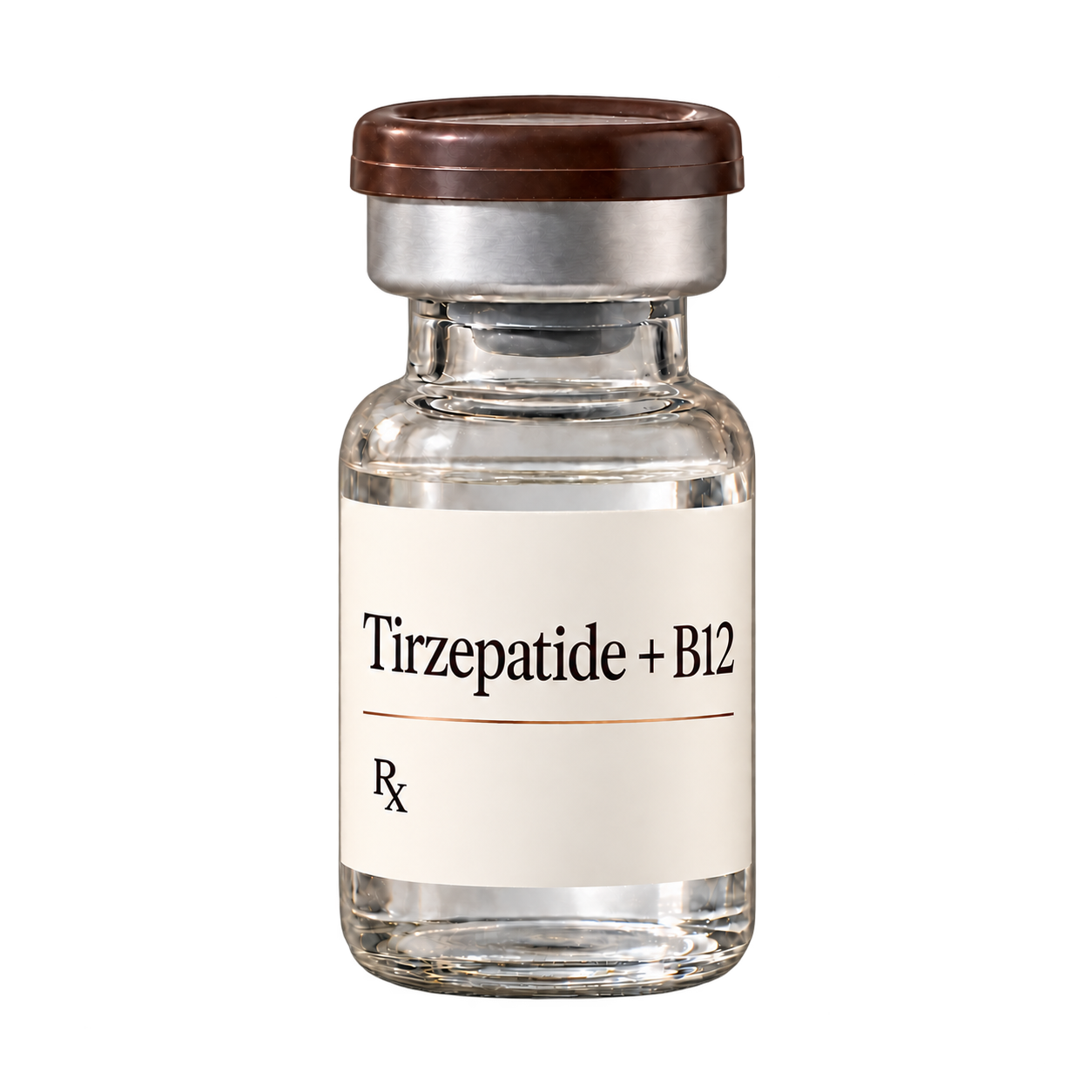
Diarrhea is a known side effect of Zepbound (tirzepatide). For many people it is mild and tends to show up early in treatment or after a dose increase, but it can sometimes lead to dehydration and related complications. This guide explains what zepbound diarrhea can mean, what usually helps, and when to contact a clinician. If you want to check for dehydration related issues, Vitals Vault can help you order labs and share results with a clinician.
- Yes, zepbound diarrhea can occur and is listed as a common side effect.
- It is often worse after starting or increasing the dose, then improves for many people.
- Focus on hydration and simpler foods, and avoid dehydration triggers like alcohol.
- Seek urgent care for severe dehydration, blood in stool, or severe belly pain.
Can Zepbound cause diarrhea?
Yes, it can
Zepbound (tirzepatide) can cause diarrhea, and it is listed among the common gastrointestinal side effects in the prescribing information. It may happen when you first start treatment or after a dose increase. Most cases are not dangerous, but you should take dehydration seriously.
It is usually temporary
For many people, GI side effects lessen over time as the body adjusts. If diarrhea is persistent, severe, or keeps coming back, it is a reason to check in with your prescribing clinician. They can help rule out other causes and decide what to do next.
Dehydration is the main risk
Diarrhea can lead to dehydration, which can sometimes worsen kidney function. This is why it matters to monitor symptoms like dizziness, very dark urine, or reduced urination, especially if you are also having nausea or vomiting.
Why it happens and what helps
Slower stomach emptying
Tirzepatide affects gut hormones and can slow how quickly food leaves your stomach. That change can contribute to GI symptoms, including diarrhea, nausea, and abdominal discomfort. Eating patterns and food choices can make symptoms feel better or worse.
Early treatment and dose changes
Diarrhea is often reported during the dose escalation phase, when the dose is being increased. If symptoms flare after an increase, tell your clinician rather than trying to push through severe symptoms. They may adjust the plan based on tolerability.
Hydration and electrolytes
The most important self care goal is preventing dehydration. Sip fluids regularly and consider oral rehydration solutions if you are losing a lot of fluid. If you cannot keep fluids down or you feel faint, seek urgent care.
Food choices that are gentler
Many people do better with smaller meals and lower fat, less greasy foods while symptoms are active. Very rich meals can worsen GI side effects with GLP-1 based medicines. If diarrhea is ongoing, a clinician can help you evaluate lactose, sugar alcohols, or other triggers.
When diarrhea can be a warning sign
Diarrhea plus severe abdominal pain, persistent vomiting, fever, or blood in the stool is not typical and should be evaluated promptly. The Zepbound label also warns about acute kidney injury in the setting of severe GI reactions and dehydration.
How long does Zepbound diarrhea last?
Often early and short-lived
In clinical trials, gastrointestinal side effects were commonly reported early in treatment and during dose escalation. Many people find symptoms improve as they continue on a stable dose. If diarrhea is lasting more than a few days or keeps recurring, contact your clinician.
It varies by person
Your diet, other medications, and your baseline gut sensitivity can change how long symptoms last. Intercurrent illness, like a stomach virus, can also overlap with treatment related symptoms. A clinician can help you sort out what is most likely.
Persistent symptoms need evaluation
Ongoing diarrhea can lead to dehydration and electrolyte problems, and it can also signal another condition that needs treatment. If you are having repeated episodes, your clinician may recommend labs or other evaluation to check hydration status and kidney function.
When to talk to a clinician or seek urgent care
Call promptly for dehydration signs
Contact a clinician if you have very dark urine, urinating much less than usual, dizziness, fainting, or rapid heartbeat. These can be signs of dehydration. The Zepbound prescribing information warns that severe GI reactions can lead to dehydration and acute kidney injury.
Get urgent care for severe symptoms
Seek urgent care if diarrhea is severe, you cannot keep fluids down, you have blood in your stool, or you have severe or persistent abdominal pain. These symptoms need evaluation and should not be managed through a lab order alone.
Check in if it affects dosing
If diarrhea is making it hard to eat, drink, work, or sleep, tell your prescribing clinician. They can decide whether your treatment plan should be adjusted. Do not change your medication plan on your own.
Mention other medicines and supplements
Some medications and supplements can also cause diarrhea or worsen it, including certain antibiotics, magnesium products, and sugar alcohol sweeteners. Share everything you take with your clinician so they can look for overlapping causes.
Practical tips while symptoms are active
Sip fluids steadily
Small, frequent sips are often easier than large amounts at once.
Choose bland, lower-fat meals
Greasy foods can worsen GI side effects for some people.
Avoid alcohol for now
Alcohol can worsen dehydration and irritate your GI tract.
Track triggers and timing
Note foods, dose changes, and symptom timing to share with your clinician.
Do not self-treat severe diarrhea
If symptoms are severe or persistent, contact a clinician for guidance.
Frequently Asked Questions
Can Zepbound cause diarrhea?
Yes. Diarrhea is listed as a common side effect in the Zepbound (tirzepatide) prescribing information. It is often most noticeable early in treatment or after a dose increase, and it may improve over time.
Is zepbound diarrhea a sign the medicine is working?
Not necessarily. Diarrhea is a side effect that can happen with tirzepatide, but it does not reliably indicate how well the medication is working for you. If symptoms are persistent or severe, contact your clinician.
When is zepbound diarrhea an emergency?
Seek urgent care if you cannot keep fluids down, feel faint, have blood in your stool, or have severe or persistent abdominal pain. These symptoms need prompt evaluation and should not be managed through a lab order alone.
Can zepbound diarrhea cause kidney problems?
It can contribute indirectly. The Zepbound label warns that severe gastrointestinal reactions can lead to dehydration, which may cause acute kidney injury. If you have reduced urination, very dark urine, or dizziness, contact a clinician promptly.
What labs can help if I have diarrhea on Zepbound?
Labs that assess hydration related issues can be helpful, such as panels that include electrolytes and kidney function markers. Vitals Vault offers lab ordering options you can share with a clinician, but labs do not diagnose the cause of diarrhea.