
Diarrhea on tirzepatide: what to do
Diarrhea is a common tirzepatide side effect, especially after a dose increase. Learn how long it lasts, what helps, and when to call your provider.
Key facts
- Tirzepatide + B12 is $169/month (billed $169 every 4 weeks), charged only after a clinician approves it.
- Answer a few health questions online. A licensed clinician reviews them. If approved, it ships to your door.
- Adults 18 or older. A licensed clinician reviews your health history and decides whether treatment is appropriate for you. Availability depends on the state you live in.


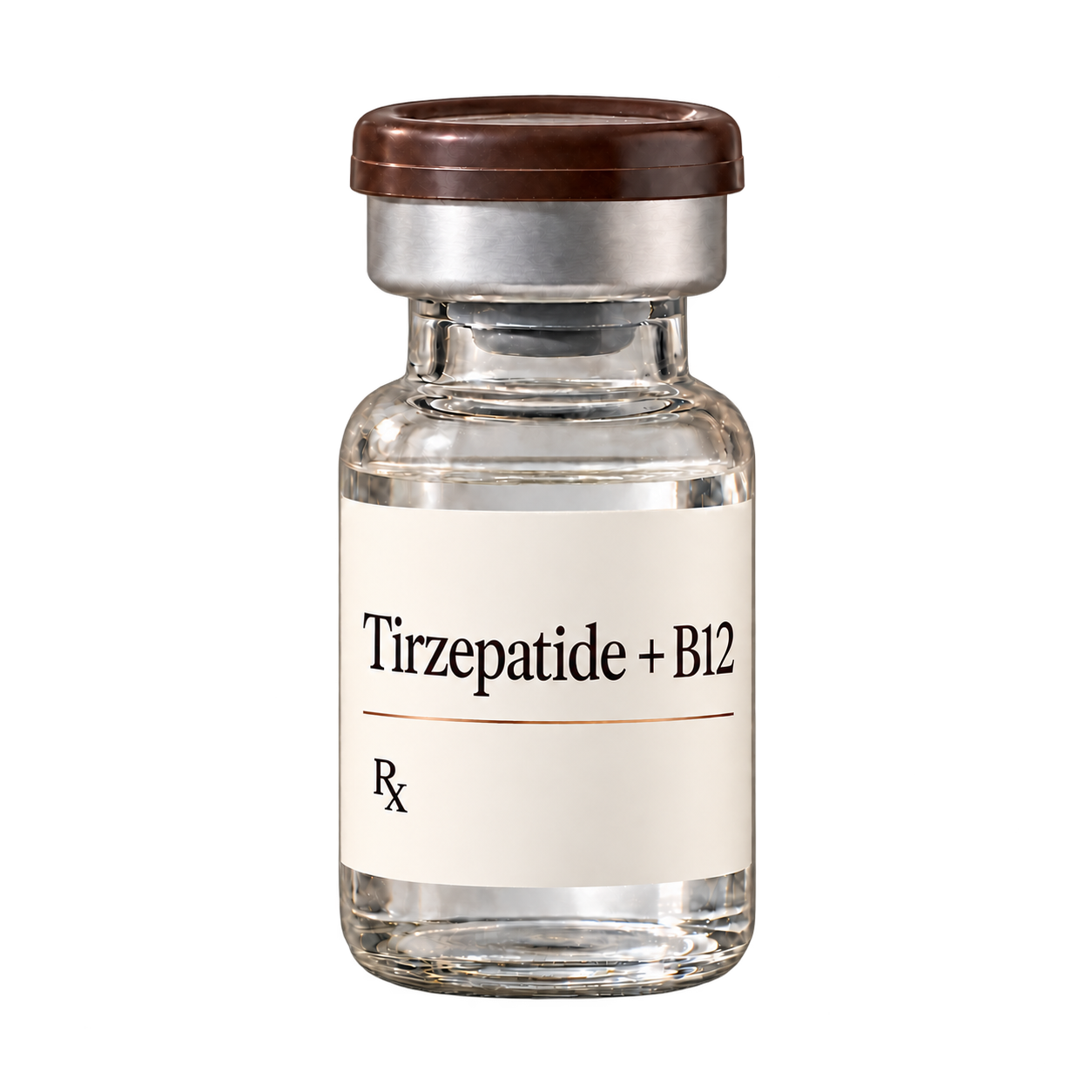
Diarrhea can occur while taking tirzepatide. In studies of FDA approved tirzepatide products, diarrhea was among the commonly reported gastrointestinal side effects, along with nausea and vomiting. This page explains what diarrhea on tirzepatide can mean, what may make it worse, and when to call a clinician. If you want help interpreting symptoms or lab results alongside your health history, Vitals Vault can help you start with labs and share results with a clinician.
- Yes, diarrhea on tirzepatide can happen and is a known side effect.
- It is often most noticeable early in treatment or after dose increases.
- Hydration and simpler meals may help, but persistent diarrhea needs clinician guidance.
- Seek urgent care for dehydration signs, severe abdominal pain, or blood in stool.
Can tirzepatide cause diarrhea?
Why it happens and what may help
Why diarrhea can happen
Tirzepatide affects gut hormones that change digestion and appetite. These effects can also change how quickly food moves through your gastrointestinal tract, which may contribute to diarrhea in some people. In clinical trials for FDA approved tirzepatide products, diarrhea was reported among common gastrointestinal reactions.
When it is more likely
Many people notice gastrointestinal side effects early in treatment and during dose escalation. If diarrhea starts soon after a dose change, that timing can be a clue it is medication related. A clinician can help you decide whether to monitor, adjust supportive care, or evaluate other causes.
What you can do right away
Focus on preventing dehydration by drinking fluids, especially if stools are frequent or watery. Consider smaller, simpler meals and avoid foods that you already know trigger diarrhea. If you are using any over the counter anti diarrhea medicine, ask a clinician or pharmacist if it is appropriate for you.
When it may be something else
Diarrhea can also come from infections, food intolerance, other medications, or underlying bowel conditions. If diarrhea is severe, lasts more than a couple of days, wakes you from sleep, or comes with fever, blood, or significant weakness, it is less likely to be a simple adjustment effect and should be evaluated.
Why dehydration matters on GLP-1s
Ongoing vomiting or diarrhea can lead to dehydration, which can stress the kidneys. FDA labeling for tirzepatide includes warnings about acute kidney injury, sometimes in the setting of nausea, vomiting, diarrhea, or dehydration. If you cannot keep fluids down or you feel faint, seek urgent care.
| If this is happening | What it can mean | What to do |
|---|---|---|
| Mild diarrhea without other symptoms | Possible medication related gastrointestinal side effect | Hydrate, simplify meals, and monitor; contact your clinician if it persists |
| Diarrhea plus dizziness, very dark urine, or inability to keep fluids down | Possible dehydration and higher kidney risk | Seek urgent care or same day clinical advice |
| Severe abdominal pain with or without vomiting | Needs evaluation for serious causes, including pancreatitis | Seek urgent care |
| Blood in stool or black stools | Possible gastrointestinal bleeding or other serious condition | Seek urgent care |
When to talk to a clinician
Call promptly for dehydration signs
Contact a clinician the same day if you have diarrhea with lightheadedness, fainting, confusion, very little urination, or you cannot keep fluids down. These can be signs of dehydration, which can increase the risk of kidney problems. FDA labeling warns about acute kidney injury in the setting of severe gastrointestinal reactions.
Get urgent help for severe belly pain
Seek urgent care for severe or persistent abdominal pain, especially if it occurs with vomiting. FDA labeling for tirzepatide warns about acute pancreatitis and advises evaluation if pancreatitis is suspected. Do not try to push through severe pain at home.
Report symptoms of gallbladder problems
Call a clinician if you develop right upper abdominal pain, fever, or yellowing of the skin or eyes. GLP-1 based medicines, including tirzepatide, carry warnings about acute gallbladder disease. These symptoms need evaluation rather than self treatment.
Discuss ongoing or disruptive diarrhea
If diarrhea is frequent, lasts more than a few days, or interferes with work, sleep, or hydration, check in with your prescribing clinician. They can review timing with dose changes, other medications, and whether testing or supportive treatment is needed. Persistent diarrhea should not be ignored.
Pro tips for getting through it
Hydrate on a schedule
Small, frequent sips can be easier than large amounts at once.
Keep meals simple
Bland foods and smaller portions may be gentler while symptoms settle.
Avoid known triggers
High fat meals and alcohol can worsen gastrointestinal symptoms for some people.
Track timing
Note when diarrhea started and any recent dose change to share with your clinician.
Do not self adjust medication
If symptoms are hard to manage, contact your prescriber before making changes.
Frequently Asked Questions
Can tirzepatide cause diarrhea?
Yes. Diarrhea is listed among common gastrointestinal adverse reactions in FDA prescribing information for tirzepatide products. If diarrhea is severe, persistent, or accompanied by dehydration symptoms, contact a clinician promptly.
How long does diarrhea last on tirzepatide?
For many people, gastrointestinal side effects are most noticeable early in treatment or after dose increases and may improve over time. If diarrhea lasts more than a few days, keeps coming back, or affects hydration, check in with your prescribing clinician.
What are signs diarrhea is becoming dangerous on tirzepatide?
Seek urgent care for dizziness or fainting, very little urination, inability to keep fluids down, blood in stool, or severe abdominal pain. FDA labeling warns that severe gastrointestinal reactions can contribute to dehydration and acute kidney injury.
Can diarrhea on tirzepatide cause kidney problems?
It can contribute indirectly if it leads to dehydration. FDA labeling for tirzepatide includes warnings about acute kidney injury, sometimes in people who had nausea, vomiting, diarrhea, or dehydration. Contact a clinician if you are not able to stay hydrated.
Should I get labs if I have diarrhea on tirzepatide?
Labs can help check for issues that can accompany ongoing diarrhea, such as electrolyte changes or kidney related concerns, but they do not diagnose the cause by themselves. If symptoms are severe or sudden, urgent care is more appropriate than ordering labs. You can share any results with a clinician for context.