
Zepbound where to inject: approved sites
Zepbound where to inject: under the skin in the abdomen, thigh, or upper arm. Rotate sites and follow the Instructions for Use.
Key facts
- Tirzepatide + B12 is $169/month (billed $169 every 4 weeks), charged only after a clinician approves it.
- Answer a few health questions online. A licensed clinician reviews them. If approved, it ships to your door.
- Adults 18 or older. A licensed clinician reviews your health history and decides whether treatment is appropriate for you. Availability depends on the state you live in.


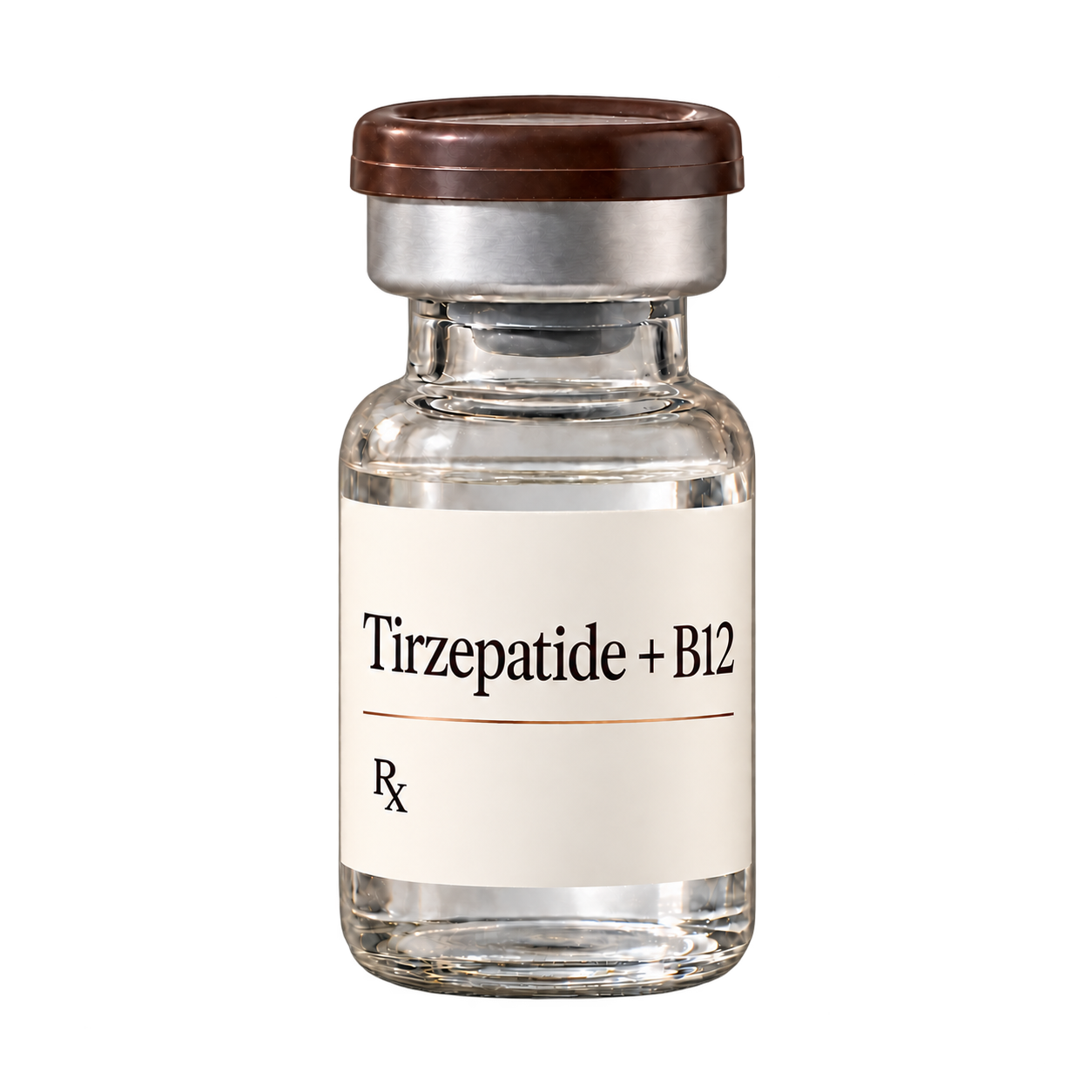
If you searched “zepbound where to inject,” the answer comes from the medication’s Instructions for Use. Zepbound (tirzepatide) is injected under the skin, and the labeled injection sites are the abdomen (stomach area), thigh, or upper arm. This page summarizes the labeled sites and what “rotate sites” means in plain language. Vitals Vault also offers access to compounded tirzepatide, which is not Zepbound and is not FDA-approved, so injection instructions come from your prescriber and dispensing pharmacy.
- For zepbound where to inject, the label lists abdomen, thigh, or upper arm.
- Inject under the skin and rotate injection sites each week.
- Your prescriber or pharmacist should show you how to inject safely.
- If you use compounded tirzepatide, follow your clinician and pharmacy instructions.
Answer: where do you inject Zepbound?
Details: choosing a site and rotating locations
Abdomen (stomach area)
The label lists the abdomen as an injection site. “Abdomen” means the belly area, not into the muscle. If you are unsure what counts as the abdomen area for injection, ask your pharmacist or prescribing clinician to point it out on your body.
Thigh
The label lists the thigh as an injection site. Many people choose the thigh when they want a site that is easy to see and reach. Use the Instructions for Use and your clinician’s training to choose an appropriate spot on your thigh.
Upper arm
The label lists the upper arm as an injection site. Some people find the upper arm easier with help from another person. If you plan to use the upper arm, confirm with your clinician or pharmacist how to do it safely.
Rotate injection sites
The Instructions for Use recommend rotating injection sites. Rotation means you do not inject in the exact same spot every time, which can help reduce local skin reactions. Your clinician or pharmacist can suggest a simple rotation pattern you can follow.
Do not inject into irritated skin
If you have skin that is tender, bruised, red, or hard, ask your clinician whether you should avoid that area. Injection into unhealthy skin can worsen irritation and make reactions harder to interpret. Use the Instructions for Use as your reference for safe administration.
When to talk to your clinician
You are not sure where to inject
If you are uncertain about the abdomen, thigh, or upper arm locations, ask for a live demonstration. The label expects that you receive training on proper injection technique. Your pharmacist can also review the Instructions for Use with you.
You have a strong skin reaction
Mild redness can happen with injections, but worsening pain, swelling, warmth, or drainage should be assessed. Your clinician can help determine whether it is an injection-site reaction, an infection, or something else. Do not try to troubleshoot by changing your dose on your own.
You have repeated bleeding or bruising
Occasional bruising can occur, but frequent or significant bruising is worth discussing. Your clinician may review your injection technique, medications that affect bleeding, or whether a different site is better for you. Bring photos if it helps you explain what you are seeing.
You are switching products or devices
If you move between a brand pen and a compounded product, the injection instructions may not be the same. Ask your prescriber and dispensing pharmacy for product-specific directions. Use only the instructions that match the exact product you were dispensed.
Pro tips for injection-site planning
Pick a rotation map
Use a simple weekly rotation across abdomen, thigh, and upper arm.
Keep a quick note
Write down the site you used so you do not repeat the same spot.
Use the official Instructions
Follow the Instructions for Use for your exact product and device.
Ask for a demo
A pharmacist can show you where and how to inject safely.
Frequently Asked Questions
Where to inject Zepbound?
The Zepbound Instructions for Use list three injection sites: abdomen, thigh, or upper arm. Zepbound is injected under the skin, not into muscle. Your prescriber or pharmacist should show you how to inject.
Where to inject Zepbound on stomach?
The label lists the abdomen as an injection site, which is the belly area. Use the Instructions for Use and the training from your clinician or pharmacist to identify an appropriate spot. Rotate sites rather than using the exact same spot each time.
Does it matter where you inject Zepbound?
The label allows injection in the abdomen, thigh, or upper arm, and it recommends rotating injection sites. If you are having skin reactions or trouble reaching a site, your clinician or pharmacist can help you choose the best option for you.
Can I inject Zepbound in the same spot every week?
The Instructions for Use recommend rotating injection sites. Rotating means changing where you inject so you are not repeatedly using the exact same spot. Ask your clinician or pharmacist for a rotation plan that is easy to follow.
If I use compounded tirzepatide, where do I inject it?
Compounded tirzepatide is not Zepbound and does not come with the Zepbound FDA label. Your prescribing clinician and the dispensing pharmacy should provide product-specific injection instructions. Follow those instructions exactly and ask for a demonstration if needed.