
Victoza dosing: what the label says
Victoza dosing typically starts low and increases weekly to a maintenance dose, based on tolerability. Follow your clinician and the label.
Key facts
- Answer a few health questions online. A licensed clinician reviews them. If approved, it ships to your door.
- Adults 18 or older. A licensed clinician reviews your health history and decides whether treatment is appropriate for you. Availability depends on the state you live in.


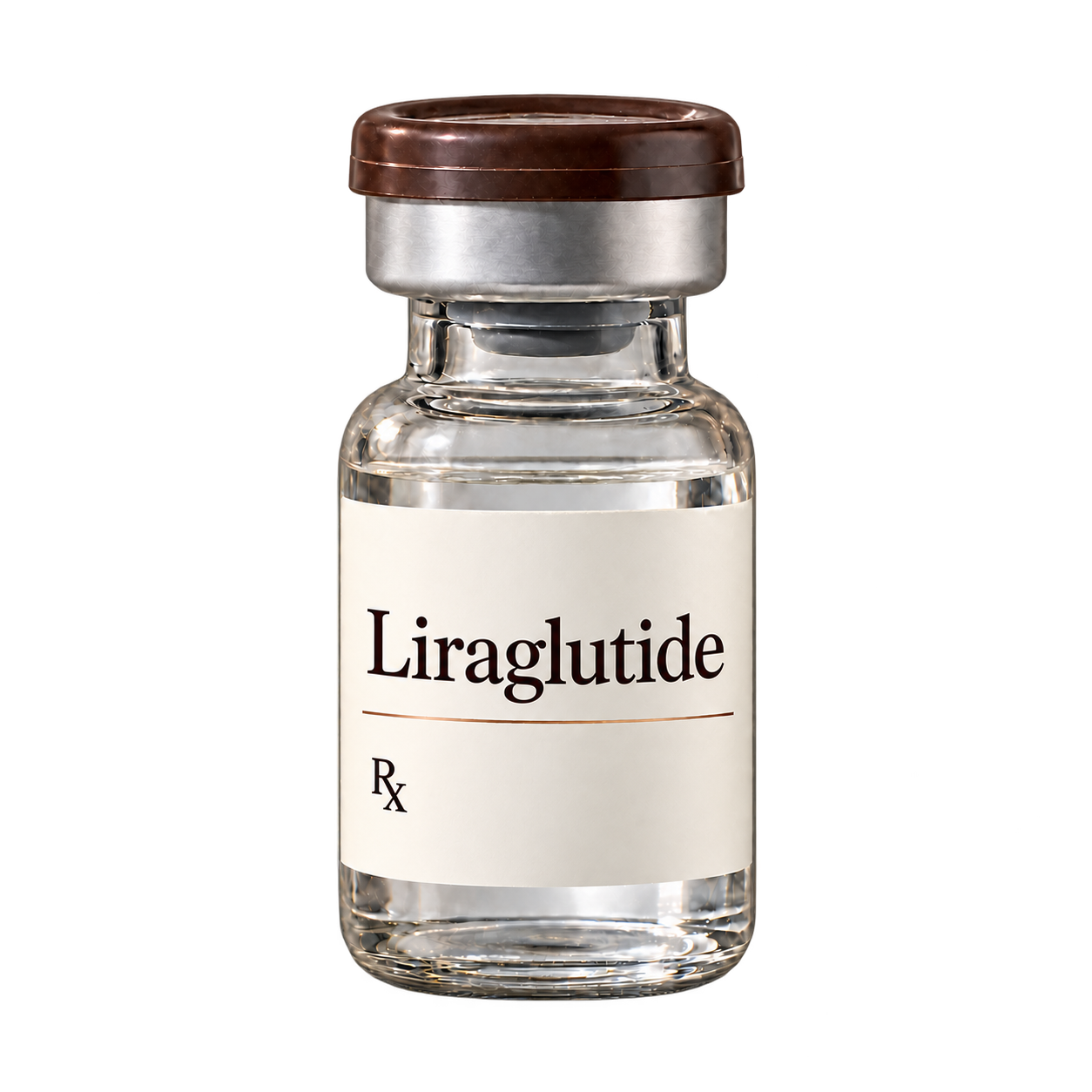
Victoza (liraglutide) dosing follows a step up schedule to help your body adjust and to reduce nausea and other stomach side effects. This page summarizes what the FDA prescribing information says about typical titration, maintenance dosing, and what to do after missed doses. If you are using liraglutide from a compounding pharmacy, your prescribed dose and instructions may differ from the Victoza label. Vitals Vault offers PocketMD to help you ask dosing questions using your own health history, and to know when to check in with a clinician.
- Victoza dosing usually starts at 0.6 mg daily, then increases weekly to 1.2 mg or 1.8 mg if needed.
- Victoza is injected once daily, at any time of day, with or without meals.
- If you miss more than 3 days, the label says to restart at 0.6 mg to reduce stomach side effects.
- Do not share Victoza pens, even if you change the needle.
Victoza dosing: what the label says
- How often it is taken
- Once daily (subcutaneous injection).
- Starting dose on the label
- 0.6 mg once daily for 1 week (not effective for glycemic control).
- Maintenance doses on the label
- 1.2 mg once daily; may increase to 1.8 mg once daily if needed.
- When to take it
- Any time of day, with or without meals.
Dose schedule, missed doses, and injection timing
| Situation | What the label says | Why it matters |
|---|---|---|
| Starting Victoza | Initiate at 0.6 mg once daily for 1 week, then increase to 1.2 mg once daily. | The initial 0.6 mg dose is for tolerability and is not effective for glycemic control. |
| If more effect is needed | If additional glycemic control is needed, increase to 1.8 mg once daily after at least 1 week on 1.2 mg. | Dose increases are spaced to reduce gastrointestinal side effects. |
| If you miss doses | If more than 3 days have elapsed since the last dose, reinitiate at 0.6 mg to mitigate gastrointestinal symptoms. | Restarting low can reduce nausea and vomiting after a gap. |
| Time of day and meals | Administer once daily at any time of day, independently of meals. | Consistency can make it easier to remember, but meals are not required. |
Injection sites (label only)
The label says Victoza is injected under the skin (subcutaneously) in the abdomen, thigh, or upper arm. A pharmacist or prescribing clinician should show you how to use the pen, and the Instructions for Use cover the steps.
Do not share pens
The prescribing information warns not to share your Victoza pen with another person, even if the needle is changed. Sharing can spread infection.
Not for insulin replacement
Victoza is not insulin and should not be used as a substitute for insulin. It is also not recommended for use with other GLP-1 receptor agonists, per the label.
Compounded liraglutide is different
Compounded liraglutide is prepared by a pharmacy for an individual prescription and is not FDA-approved. Your clinician and dispensing pharmacy should provide the exact dosing and administration instructions for your specific product.
When to talk to a clinician
Signs of pancreatitis
Get urgent medical care for severe abdominal pain that may radiate to your back, with or without vomiting. Pancreatitis has been reported with liraglutide products and needs prompt evaluation.
Possible gallbladder problems
Contact a clinician if you have upper right abdominal pain, fever, yellowing of the skin or eyes, or clay colored stools. Acute gallbladder disease has been reported with GLP-1 receptor agonists, including liraglutide.
Low blood sugar symptoms
If you feel shaky, sweaty, confused, or faint, check in right away, especially if you use insulin or a sulfonylurea. The label notes hypoglycemia risk is higher when Victoza is used with these medicines.
Allergic reaction
Seek emergency care for swelling of the face, lips, tongue, or throat, trouble breathing, or severe rash. Serious hypersensitivity reactions have been reported.
Kidney concerns or dehydration
Call your clinician if vomiting or diarrhea is persistent, or if you have reduced urination or swelling. The label describes reports of acute kidney injury, sometimes in the setting of nausea, vomiting, diarrhea, or dehydration.
Practical pro tips
Pick a daily routine
Because it can be taken any time of day, choose a consistent time you can stick with.
Expect stomach effects early
Nausea is common with GLP-1 medicines, especially during dose increases. Tell your clinician if it is limiting eating or hydration.
Track missed doses
If you miss more than 3 days, the label says restarting at 0.6 mg may reduce side effects. Confirm your plan with your clinician.
Review other diabetes meds
If you use insulin or a sulfonylurea, ask how your regimen is adjusted to reduce hypoglycemia risk.
Know which product you have
Victoza is a brand pen. Compounded liraglutide may have different instructions from the dispensing pharmacy.
Frequently Asked Questions
What is the typical Victoza dosing schedule?
The FDA label describes starting at 0.6 mg once daily for 1 week, then increasing to 1.2 mg once daily. If additional glycemic control is needed, it may be increased to 1.8 mg once daily. Your clinician decides what is appropriate for you.
What is the liraglutide dose in Victoza?
Victoza is liraglutide, and the labeled daily doses are 0.6 mg, 1.2 mg, and 1.8 mg. The label notes 0.6 mg is used for tolerability and is not effective for glycemic control. Follow your prescriber’s instructions.
When should I take Victoza, with or without food?
The prescribing information says Victoza is taken once daily at any time of day, independently of meals. Many people choose a consistent time to help with adherence. If you have nausea, ask your clinician for individualized strategies.
What should I do if I miss a Victoza dose for a few days?
The label says if more than 3 days have elapsed since your last dose, you should reinitiate at 0.6 mg to reduce gastrointestinal symptoms. Because dose decisions are individualized, confirm the plan with your prescribing clinician.
Is compounded liraglutide dosed the same as Victoza?
Not always. Compounded liraglutide is prepared by a pharmacy for an individual prescription and is not FDA-approved, so instructions can differ from the Victoza label. Vitals Vault treatment plans include clinician guidance, and your dispensing pharmacy provides product specific directions.