
Victoza insulin: Is Victoza actually insulin?
Victoza insulin: Victoza is not insulin. It is liraglutide, a GLP-1 receptor agonist injection that helps lower blood sugar in type 2 diabetes.
Key facts
- Answer a few health questions online. A licensed clinician reviews them. If approved, it ships to your door.
- Adults 18 or older. A licensed clinician reviews your health history and decides whether treatment is appropriate for you. Availability depends on the state you live in.


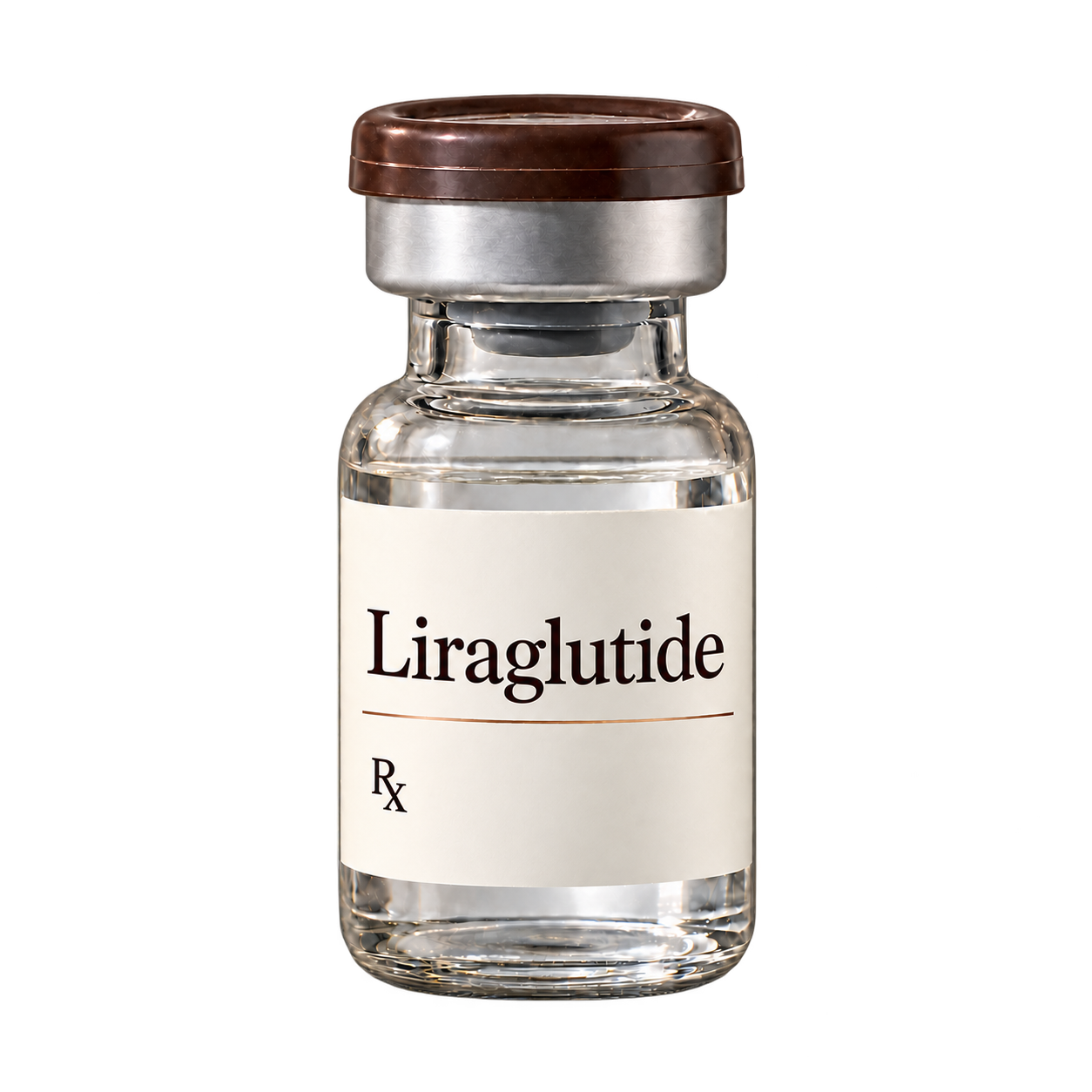
If you searched “victoza insulin,” the direct answer is no. Victoza (liraglutide) is not insulin. It is a different type of diabetes medicine called a GLP-1 receptor agonist, given by injection, that helps improve blood sugar control in adults and some children with type 2 diabetes. This matters because insulin and GLP-1 medicines work differently, have different risks, and are used in different situations. Vitals Vault can help you compare options and discuss questions with a clinician, especially if you are considering compounded liraglutide rather than the brand product.
- Victoza is not insulin. It is liraglutide, a GLP-1 receptor agonist injection.
- Victoza helps lower blood sugar by increasing insulin release when glucose is high and reducing glucagon.
- It is used for type 2 diabetes, not for treating low blood sugar emergencies.
- Low blood sugar can happen, especially with insulin or sulfonylureas, so monitoring matters.
Is Victoza insulin?
What Victoza is
Victoza contains liraglutide. Liraglutide is a glucagon-like peptide-1 (GLP-1) receptor agonist, which means it mimics a natural gut hormone signal involved in blood sugar regulation.
What insulin is
Insulin is a hormone your pancreas makes to move glucose from the bloodstream into cells. Insulin medicines replace or supplement insulin directly, which is why they are classified as insulin products.
Why the confusion happens
Victoza can increase your body’s insulin release, but it does not contain insulin. Its effect is glucose-dependent, meaning it mainly boosts insulin when blood sugar is elevated.
How Victoza differs from insulin
| Feature | Victoza (liraglutide) | Insulin products |
|---|---|---|
| Drug class | GLP-1 receptor agonist | Insulin (various types) |
| What it provides | Signals your body to change hormone release | Provides insulin directly |
| How it lowers glucose | Increases insulin secretion when glucose is high; decreases glucagon; slows gastric emptying | Increases glucose uptake and reduces glucose production |
| Low blood sugar risk | Can occur, especially with insulin or sulfonylureas | Can occur, especially if dose, food intake, or activity do not match |
| Use in type 1 diabetes | Not indicated | Core therapy |
It is not a substitute for insulin
Victoza is not indicated for type 1 diabetes and is not a replacement for insulin. If you need insulin, a clinician decides whether Victoza is appropriate as an add-on medicine.
It can still affect insulin levels
Victoza can increase insulin secretion from the pancreas when glucose is elevated and can reduce glucagon (a hormone that raises blood sugar). This is one reason it can improve A1c and day-to-day glucose patterns without being insulin.
Low blood sugar is still possible
On its own, Victoza has a lower risk of hypoglycemia than insulin for many people, but low blood sugar can occur. The risk is higher if it is used with insulin or sulfonylureas, so clinicians often adjust plans and monitoring accordingly.
Important warning to know
Victoza carries a boxed warning about risk of thyroid C-cell tumors seen in rodents, and it is contraindicated in people with a personal or family history of medullary thyroid carcinoma or MEN 2. Discuss your thyroid history with a clinician before using any liraglutide product.
Other serious risks
Serious risks in the prescribing information include pancreatitis, gallbladder disease, kidney problems (sometimes related to dehydration from nausea or vomiting), and allergic reactions. Seek urgent care for severe abdominal pain, signs of anaphylaxis, or symptoms of very low blood sugar.
When to talk to a clinician
You use insulin already
Ask how adding a GLP-1 medicine could affect your insulin needs and your low blood sugar risk. A clinician may recommend closer glucose monitoring during changes.
You have thyroid cancer history
Tell your clinician if you or a family member has medullary thyroid carcinoma, or if you have MEN 2. These are contraindications listed in the Victoza prescribing information.
You have severe stomach symptoms
Persistent vomiting, severe abdominal pain, or pain that may radiate to your back can be warning signs that need prompt medical evaluation. Do not try to manage severe symptoms on your own.
You have kidney disease
If you have kidney problems or are prone to dehydration, ask how nausea and vomiting could affect you. The prescribing information warns about acute kidney injury in some situations.
You are pregnant or planning pregnancy
Discuss pregnancy plans and breastfeeding with a clinician. The label includes pregnancy and lactation considerations that should guide individualized decisions.
Practical tips if you are comparing options
Use the right terms
Ask for “GLP-1 receptor agonist” rather than “insulin” when discussing Victoza.
Review your other diabetes meds
Insulin and sulfonylureas can raise hypoglycemia risk when combined with GLP-1 medicines.
Know what is brand vs compounded
Brand Victoza is FDA-approved; compounded liraglutide is not FDA-approved.
Track symptoms that matter
Report severe abdominal pain, ongoing vomiting, or allergic symptoms promptly.
Bring recent labs if you have them
A clinician may ask for recent lab results before prescribing.