
Semaglutide injection: how it is used safely
Semaglutide injection is a GLP-1 medicine given under the skin. Here is what it does, the key risks, and what to ask your clinician.
Key facts
- Semaglutide + B12 is $157/month (billed $157 every 4 weeks), charged only after a clinician approves it.
- Answer a few health questions online. A licensed clinician reviews them. If approved, it ships to your door.
- Adults 18 or older. A licensed clinician reviews your health history and decides whether treatment is appropriate for you. Availability depends on the state you live in.





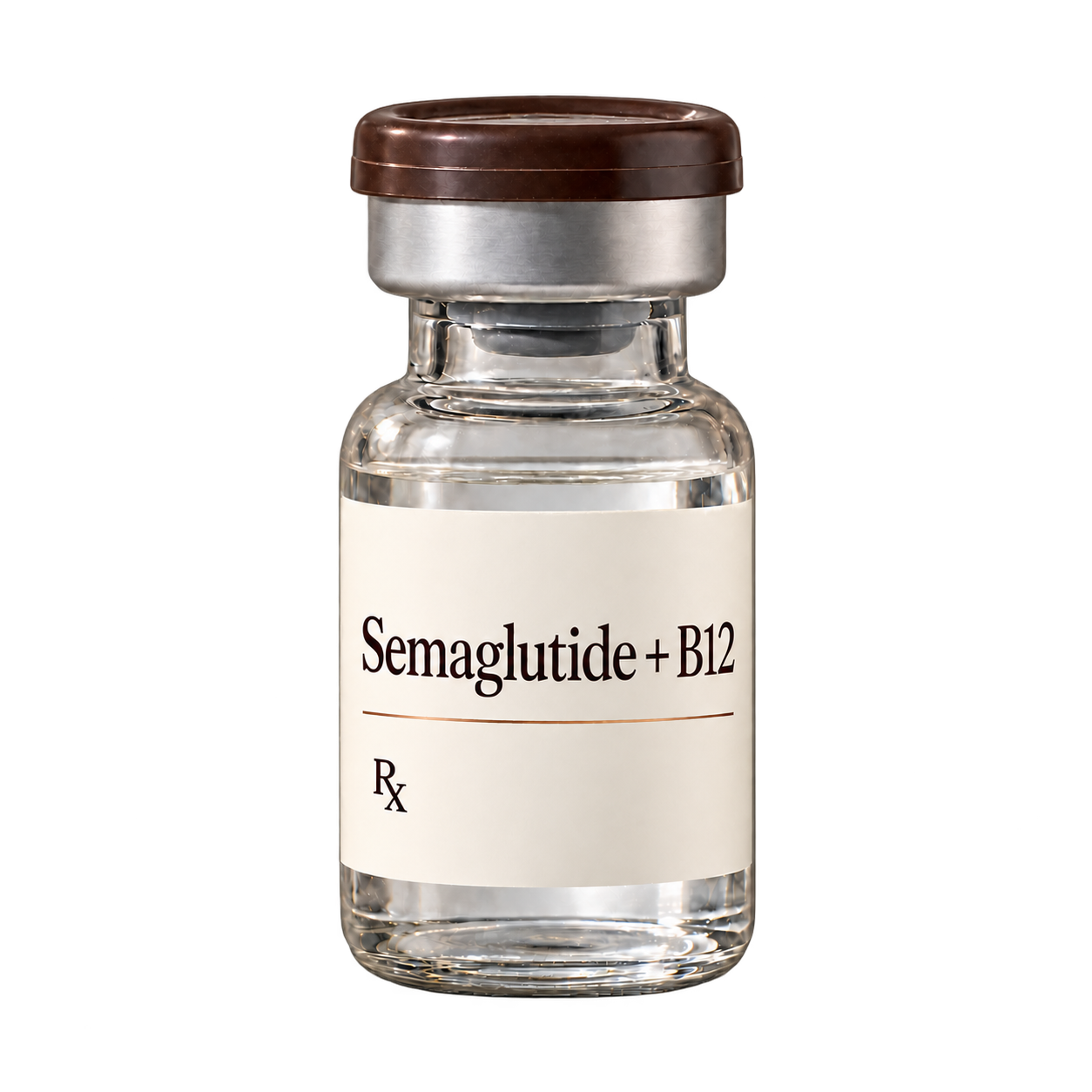
Semaglutide injection usually refers to a GLP-1 receptor agonist medicine given as a shot under the skin. It is prescribed for specific conditions and comes with important safety warnings, so the right way to use it depends on your exact product and your clinician’s plan. This page explains what semaglutide injection does, what the FDA labeling says about where it is injected, and which side effects and warnings to know.
- Semaglutide injection is a once weekly medicine given under the skin, as directed by your prescriber.
- For injection questions, follow the product Instructions for Use and get training from your clinician or pharmacist.
- Common effects are nausea, vomiting, diarrhea, belly pain, and constipation.
- Serious risks include thyroid C-cell tumor warning, pancreatitis, gallbladder problems, kidney injury, and low blood sugar with certain diabetes medicines.
How to do semaglutide injection safely
Where it is injected
FDA labeled semaglutide injection pens are injected under the skin of the abdomen (stomach area), thigh, or upper arm. Use only the sites and method listed in your product Instructions for Use.
How often it is taken
FDA approved semaglutide injection products for chronic weight management or type 2 diabetes are designed for once weekly dosing. Your clinician determines the exact schedule and dose progression for you.
Do not copy online techniques
Avoid step by step injection technique advice from social media or forums. Differences in pens, needles, and pharmacy supplied supplies can change what is safe for you.
Semaglutide injection details that matter
What semaglutide is
Semaglutide is a GLP-1 receptor agonist. GLP-1 is a hormone your body makes that helps regulate appetite and blood sugar. Prescription semaglutide products are used for specific indications, and safety guidance depends on the product and your health history.
Compounded semaglutide is different
Compounded semaglutide is prepared by a licensed pharmacy for an individual prescription and is not FDA approved. Because compounded products do not have FDA approved labeling, your prescriber and pharmacy are the right sources for administration details and what to do if you miss a dose.
Common side effects
The most common side effects in FDA labeling are gastrointestinal, including nausea, vomiting, diarrhea, abdominal pain, and constipation. Eating smaller meals and avoiding very fatty foods may help some people tolerate nausea, but you should discuss persistent symptoms with your clinician.
Low blood sugar risk
Semaglutide can increase the risk of low blood sugar (hypoglycemia) when used with insulin or insulin secretagogues such as sulfonylureas. If you take diabetes medicines, ask your prescriber what symptoms to watch for and how to monitor safely.
Pancreatitis warning
Acute pancreatitis has been reported with GLP-1 receptor agonists, including semaglutide. Seek urgent medical care for severe abdominal pain that may radiate to your back, with or without vomiting, and tell clinicians you use semaglutide.
Gallbladder problems
Gallbladder disease, including cholelithiasis (gallstones), has been reported in semaglutide labeling. Contact your clinician if you develop upper abdominal pain, fever, jaundice, or clay colored stools.
Kidney injury risk
Acute kidney injury has been reported, sometimes in people who had nausea, vomiting, diarrhea, or dehydration. If you cannot keep fluids down or you have signs of dehydration, contact your clinician promptly.
Thyroid tumor boxed warning
FDA labeling for semaglutide injection includes a boxed warning about thyroid C-cell tumors seen in rodents. Semaglutide is contraindicated if you or a family member has medullary thyroid carcinoma (MTC) or if you have Multiple Endocrine Neoplasia syndrome type 2 (MEN 2).
Allergic reactions
Serious hypersensitivity reactions can occur. Get emergency help for trouble breathing, swelling of the face or throat, or widespread rash, and report the reaction to your prescriber.
Diabetic retinopathy note
In people with type 2 diabetes, semaglutide labeling notes a risk of diabetic retinopathy complications, particularly with rapid improvement in blood glucose. If you have diabetes and eye disease, ask your clinician how to monitor vision changes.
When to talk to a clinician urgently
Severe belly pain
Seek urgent care for severe abdominal pain that does not go away, especially if it radiates to your back or comes with vomiting. This can be a sign of pancreatitis, which needs prompt evaluation.
Dehydration or fainting
Call your clinician promptly if vomiting or diarrhea prevents you from keeping fluids down, or if you feel dizzy or faint. Dehydration can worsen kidney function and may require medical care.
Symptoms of low blood sugar
If you use insulin or a sulfonylurea, ask what low blood sugar feels like for you and when to seek help. Confusion, severe weakness, or loss of consciousness is an emergency.
Neck mass or hoarseness
Report a lump in your neck, trouble swallowing, or persistent hoarseness. These symptoms can have many causes, but semaglutide labeling highlights thyroid tumor risk considerations.
Allergic reaction signs
Get emergency help for swelling of the face, lips, tongue, or throat, trouble breathing, or widespread hives. Tell the treating team you are using semaglutide injection.
Practical tips for staying on track
Confirm your exact product
Ask whether you have an FDA approved pen or a compounded formulation from a pharmacy.
Get a live demo
Have your clinician or pharmacist demonstrate your device and observe your first use.
Use one weekly routine
Pick a consistent weekly day and set reminders to reduce missed doses.
Track side effects
Write down nausea, vomiting, constipation, and appetite changes to discuss at follow ups.
Review other medicines
Tell your clinician about insulin, sulfonylureas, and any new prescriptions or supplements.
Frequently Asked Questions
How to do semaglutide injection?
For FDA approved semaglutide pens, the label says it is injected under the skin of the abdomen, thigh, or upper arm, and the Instructions for Use describe the steps. Your clinician or pharmacist should show you how to use your specific product. For compounded semaglutide, follow instructions from your prescriber and dispensing pharmacy.
What is the semaglutide injection price?
The semaglutide injection price depends on whether you use an FDA approved brand product or a compounded formulation, your dose and supply, and whether insurance applies. Some programs show current pricing directly on the treatment page, but prices can change over time. Ask your clinician or pharmacy what applies to your prescription.
Where do you inject semaglutide injection?
FDA labeling for semaglutide injection pens lists the abdomen, thigh, or upper arm as injection sites under the skin. Use only the sites and method described in your product Instructions for Use. If you use compounded semaglutide, your pharmacy and clinician will provide site guidance.
What are the most common semaglutide injection side effects?
The most common side effects in FDA labeling are nausea, vomiting, diarrhea, abdominal pain, and constipation. These are often most noticeable when starting or increasing dose, but they can happen at any time. Tell your clinician if side effects are persistent or severe.
Who should not use semaglutide injection?
FDA labeling lists a contraindication for people with a personal or family history of medullary thyroid carcinoma (MTC) or Multiple Endocrine Neoplasia syndrome type 2 (MEN 2). It is also contraindicated in people with a serious hypersensitivity reaction to semaglutide or product components. Your clinician reviews your history to decide if it is appropriate.