
Liraglutide injection dosing and how it is used
Liraglutide injection dosing depends on the product and indication. Here is what labels say about schedules and missed doses.
Key facts
- Answer a few health questions online. A licensed clinician reviews them. If approved, it ships to your door.
- Adults 18 or older. A licensed clinician reviews your health history and decides whether treatment is appropriate for you. Availability depends on the state you live in.


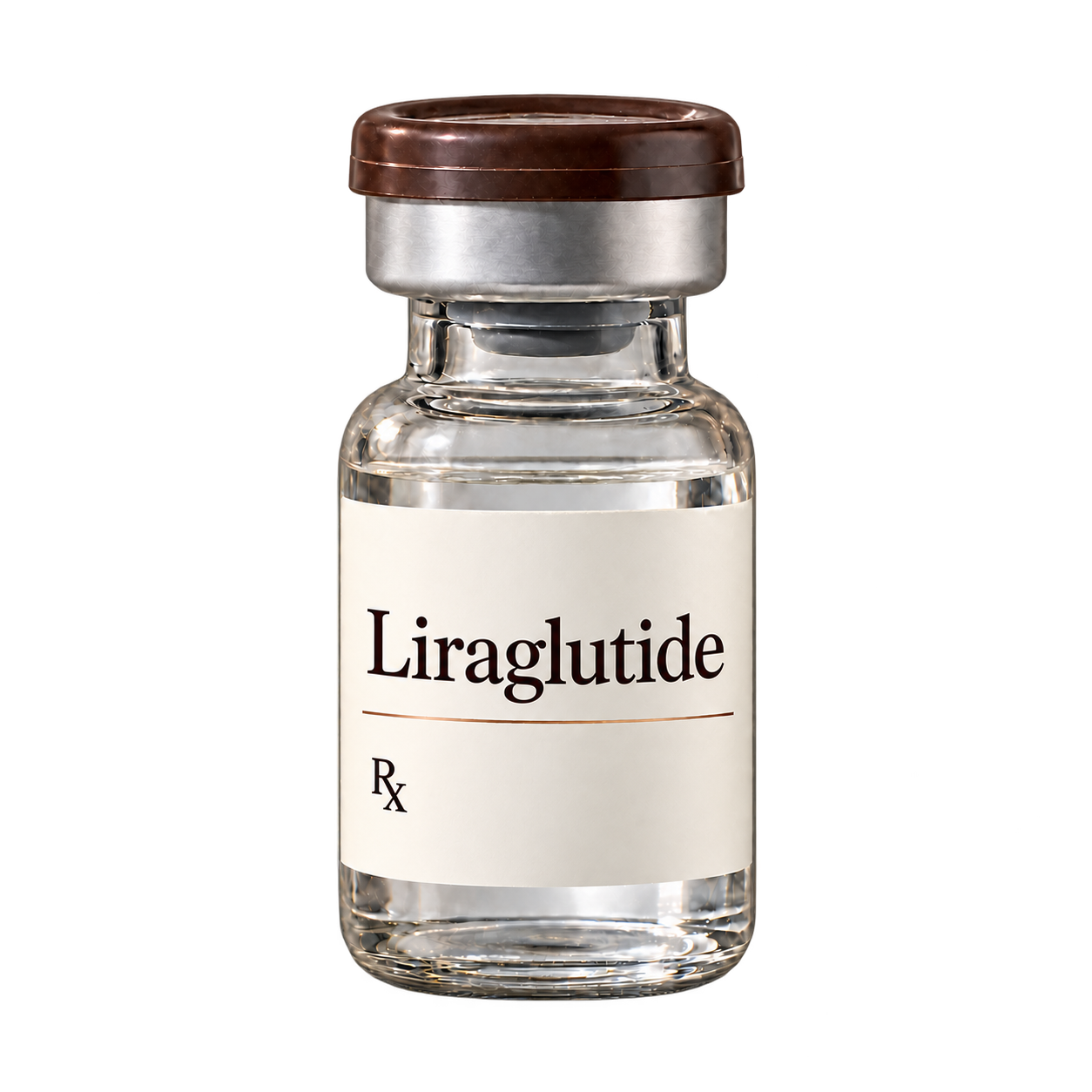
Liraglutide injection most often refers to liraglutide given as a once-daily subcutaneous injection. The exact dosing schedule, titration steps, and what to do about missed doses depend on which liraglutide product you use and why it was prescribed. This page summarizes label-based dosing and administration concepts for education, and notes what is different for compounded liraglutide. If you want help turning label information into questions for your own situation, Vitals Vault includes PocketMD to review your history and labs alongside general guidance.
- Liraglutide injection is a once-daily under-the-skin medicine; dosing depends on the specific product and indication.
- FDA labels for Saxenda and Victoza use stepwise dose increases to reduce stomach side effects.
- If you miss doses, labels give specific guidance on when to resume and when to restart titration.
- Injection sites listed on labels include abdomen, thigh, or upper arm, with site rotation.
- Compounded liraglutide is not FDA-approved; your prescriber and pharmacy provide dosing and injection instructions.
Answer: what “liraglutide injection” usually means
It is a GLP-1 medicine
Liraglutide is a glucagon-like peptide-1 (GLP-1) receptor agonist. It is injected under the skin and is used in different labeled ways depending on the product, such as chronic weight management (Saxenda) or type 2 diabetes (Victoza).
Dosing is product-specific
Even though the active ingredient is liraglutide, the labeled dosing schedules and maximum doses differ by product and indication. Your prescribing clinician chooses a schedule based on the labeled use and your risk factors.
Compounded is different
Compounded liraglutide is prepared by a licensed pharmacy for an individual prescription and is not FDA-approved. Because compounded products do not have an FDA-approved label, dosing and administration details should come from your prescriber and dispensing pharmacy.
Dosing basics, missed doses, and injection sites
Titration is used to improve tolerability
For FDA-approved liraglutide products, the prescribing information uses gradual dose increases (titration) to help reduce gastrointestinal side effects such as nausea. If side effects are significant, the label advises following the prescriber’s guidance rather than making changes on your own.
Missed dose guidance is in the label
FDA labels include specific instructions for what to do if you miss a dose and when you may need to restart the dose-escalation schedule. Because the details differ by product and indication, confirm which label applies to your prescription.
Injection sites are label-listed
For Saxenda and Victoza, liraglutide is injected subcutaneously in the abdomen, thigh, or upper arm, and the label instructs rotating injection sites. A pharmacist or prescribing clinician should show you how to use the pen, and the Instructions for Use cover the steps.
Do not mix products or devices
Liraglutide products are supplied with specific devices and Instructions for Use. If you are prescribed a compounded formulation, do not assume the same device steps apply; use the instructions provided by your dispensing pharmacy and clinician.
Common side effects that affect dosing
Nausea, vomiting, diarrhea, constipation, and decreased appetite are common with liraglutide and can influence how quickly a clinician advances titration. If you cannot keep fluids down or symptoms are severe, contact your clinician promptly because dehydration can worsen kidney problems.
Serious risks to keep in mind
Liraglutide labels include warnings about pancreatitis, gallbladder disease, kidney problems, and low blood sugar when used with insulin or insulin secretagogues. Saxenda also carries a boxed warning about risk of thyroid C-cell tumors seen in rodents; it is contraindicated in people with certain thyroid cancer histories.
When to talk to a clinician urgently
Possible pancreatitis symptoms
Seek urgent medical evaluation for severe abdominal pain that may radiate to your back, with or without vomiting. Liraglutide labeling warns about acute pancreatitis and recommends stopping evaluation and management with a clinician if suspected.
Gallbladder warning signs
Contact a clinician promptly for right upper abdominal pain, fever, jaundice, or persistent nausea and vomiting. Liraglutide labels warn about acute gallbladder disease, including cholelithiasis and cholecystitis.
Allergic reaction symptoms
Get emergency help for swelling of the face, lips, tongue, or throat, trouble breathing, or severe rash. Hypersensitivity reactions are described in labeling for liraglutide products.
Low blood sugar risk
If you use liraglutide with insulin or medicines that increase insulin release, ask your clinician about hypoglycemia risk and what symptoms to watch for. Labels note increased risk when combined with these therapies.
Thyroid or neck symptoms
Report a neck mass, trouble swallowing, or persistent hoarseness to your clinician. Saxenda has a boxed warning about thyroid C-cell tumors in rodents and is contraindicated in people with a personal or family history of medullary thyroid carcinoma or MEN 2.
Pro tips for safer use
Confirm which label applies
Saxenda and Victoza have different labeled indications and dosing schedules.
Ask about interaction risks
Tell your clinician about insulin or sulfonylureas, which can raise hypoglycemia risk.
Plan for nausea
Small meals and slower titration may help, but changes should be clinician-directed.
Rotate injection sites
Labels instruct rotating among abdomen, thigh, or upper arm injection sites.
Use your pharmacy instructions
With compounded liraglutide, follow the dispensing pharmacy’s directions for use.
Frequently Asked Questions
What is liraglutide injection used for?
FDA-approved liraglutide products are used for different indications, including chronic weight management (Saxenda) and type 2 diabetes (Victoza). Your clinician chooses the product and dosing schedule based on the labeled indication and your health history.
Where do you inject liraglutide injection?
For FDA-approved pens, the labels list subcutaneous injection sites as the abdomen, thigh, or upper arm, and recommend rotating sites. Your pharmacist or prescribing clinician should show you how to use the device, and the Instructions for Use provide the steps.
What should I do if I miss a liraglutide injection dose?
The FDA label for each liraglutide product includes specific missed-dose instructions, including when to resume and when you may need to restart titration. Because guidance differs by product and indication, confirm the exact instructions for your prescription with your clinician.
What are common side effects that can affect dosing?
Common side effects listed on liraglutide labels include nausea, vomiting, diarrhea, constipation, and decreased appetite. If symptoms are severe or you cannot keep fluids down, contact your clinician promptly because dehydration can contribute to kidney problems.
Is compounded liraglutide the same as FDA-approved liraglutide?
Compounded liraglutide is prepared by a licensed pharmacy for an individual prescription and is not FDA-approved. That means dosing and administration instructions should come from your prescriber and the dispensing pharmacy, rather than an FDA-approved product label.