
Retin-A (tretinoin): what it is and how to get it
Retin-A is a brand tretinoin cream for acne. See what it treats, what to expect, side effects, and how access and costs usually work.
Key facts
- Tretinoin + Niacinamide is $43/month (billed $129 every 90 days), charged only after a clinician approves it.
- Answer a few health questions online. A licensed clinician reviews them. If approved, it ships to your door.
- Adults 18 or older. A licensed clinician reviews your health history and decides whether treatment is appropriate for you. Availability depends on the state you live in.
- A $20 clinician review, refunded if you don’t qualify.


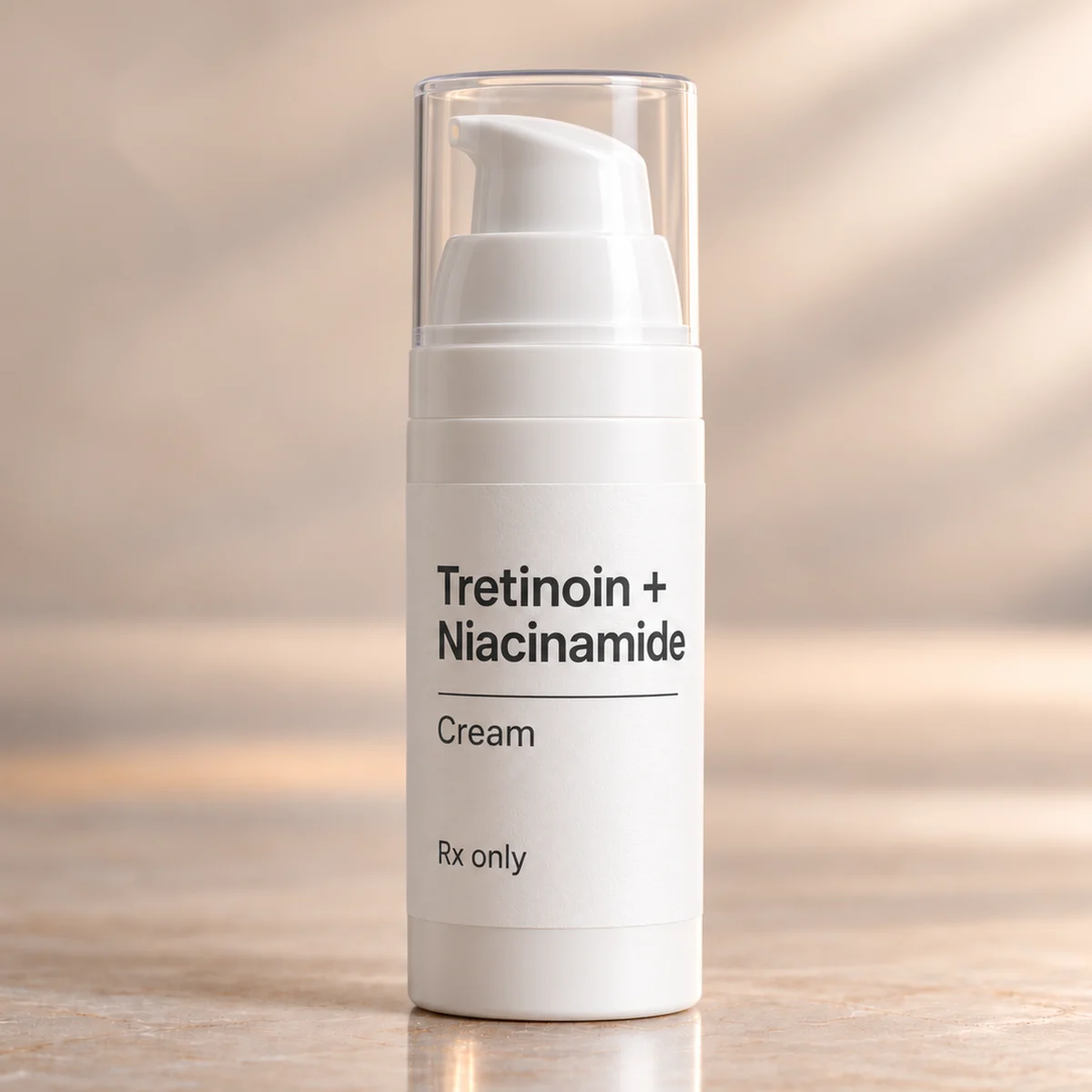
Retin-A is a brand name for topical tretinoin, a prescription retinoid used mainly for acne. It can be very effective, but irritation is common at the start, and it requires consistent use and sun protection. This page explains what Retin-A is, who it may fit, side effects to watch for, and how access and costs usually work. If you are comparing options, Vitals Vault can also connect you with clinician reviewed treatment plans when appropriate.
- Retin-A is a brand-name tretinoin cream used to treat acne.
- Tretinoin can cause dryness, peeling, redness, and sun sensitivity, especially early on.
- It is not recommended during pregnancy because retinoids can harm a fetus.
- Costs vary by formulation, strength, insurance coverage, and pharmacy.
- A clinician can help choose a strength, routine, and irritation-reduction plan.
What Retin-A is
Prescription topical retinoid
Retin-A is a brand-name prescription medicine that contains tretinoin, a vitamin A derivative used on the skin. It is most commonly prescribed for acne and comes in topical forms such as creams or gels, depending on the product.
Not the same as retinol
Over-the-counter retinol products are different from tretinoin. Retinol must be converted in the skin to retinoic acid to work, while tretinoin is already active, which is one reason it can be more irritating and more effective for acne.
Brand vs compounded products
Retin-A is a brand product. Some people are prescribed compounded topical tretinoin combinations made by a pharmacy for an individual prescription, which are not FDA-approved and are not generic Retin-A.
How tretinoin works for acne
Unclogs pores over time
Acne often starts when dead skin cells and oil block a hair follicle. Tretinoin helps normalize how skin cells shed and can reduce the formation of comedones (blackheads and whiteheads) with consistent use.
Reduces inflammation indirectly
By preventing new clogged pores and improving cell turnover, tretinoin can reduce the cycle that leads to inflamed pimples. Many acne plans pair a retinoid with other treatments to target bacteria and inflammation.
Irritation is part of the mechanism
Early dryness, peeling, and redness can happen because tretinoin changes the outer layer of skin. A clinician can help you use supportive skincare and adjust the plan to improve tolerability.
Who Retin-A may be for
Acne with clogged pores
Retin-A is commonly used for acne that includes blackheads and whiteheads, and it can also help prevent new breakouts. It is often part of a broader acne routine rather than a stand-alone solution.
People who can commit to consistency
Topical tretinoin is typically used long term, and results depend on regular use. If you stop and restart frequently, irritation can repeat and progress may be slower.
Those who can protect from sun
Tretinoin can increase skin sensitivity, including to sunlight. If you can use daily sunscreen and avoid tanning, you are more likely to tolerate treatment and protect your skin barrier.
Some acne plus dark marks
As acne improves, post-inflammatory hyperpigmentation (dark marks after pimples) may also fade over time. A clinician may add other ingredients if discoloration is a main concern.
Who should not use Retin-A or should use extra caution
Pregnant or trying to conceive
Topical tretinoin is generally avoided in pregnancy because retinoids can cause birth defects. If you are pregnant, trying to become pregnant, or could become pregnant, discuss safer acne options with a clinician.
Breastfeeding
If you are breastfeeding, ask a clinician whether topical tretinoin is appropriate for you and how to reduce infant exposure. Avoid applying to areas that could contact an infant's skin.
Eczema or very sensitive skin
If you have eczema, rosacea, or frequent irritation, tretinoin may worsen burning and peeling. A clinician may recommend a different product, a different strength, or a slower introduction plan.
Recent skin procedures
After waxing, chemical peels, laser procedures, or severe sunburn, tretinoin can sting and worsen irritation. A clinician can advise when it is safe to restart based on your skin healing.
Allergy to ingredients
Do not use tretinoin products if you have had an allergic reaction to tretinoin or other ingredients in the formulation. Seek urgent care for signs of severe allergy such as swelling of the face or trouble breathing.
What to expect when starting tretinoin
Early irritation is common
Dryness, peeling, redness, and a tight feeling are common in the first weeks. This does not always mean the medication is not working, but it does mean your routine may need adjustment to protect the skin barrier.
Acne may look worse briefly
Some people notice more visible clogged pores or breakouts early on as existing microcomedones come to the surface. If you develop severe irritation or swelling, contact a clinician rather than pushing through.
Consistency matters more than intensity
Using too much or applying too often can increase irritation without improving results. Many plans focus on a tolerable routine you can keep up with, combined with gentle cleansing and moisturizer.
Sun protection is part of treatment
Tretinoin can make your skin more sensitive to sunlight. Daily broad-spectrum sunscreen and avoiding tanning help reduce irritation and lower the risk of dark marks after inflammation.
Side effects and warnings
Dryness and peeling
Dry skin and peeling are among the most common effects of topical tretinoin, especially when you first start. Using a gentle cleanser, avoiding harsh scrubs, and adding a fragrance-free moisturizer can help. If peeling is severe, a clinician may adjust the regimen.
Redness, burning, or stinging
Mild redness or stinging can happen after application, particularly on sensitive areas. Irritation is more likely if you combine tretinoin with other drying products such as alcohol-based toners or strong exfoliants. A clinician can help you simplify your routine.
Sun sensitivity
Tretinoin can increase sensitivity to sunlight and raise the risk of sunburn. Daily sunscreen and limiting sun exposure are important parts of safe use. Tell a clinician if you have frequent sun exposure for work or sports so the plan can be tailored.
Skin discoloration changes
Some people notice temporary changes in skin color in treated areas, especially if irritation leads to inflammation. Protecting your skin barrier and using sunscreen can reduce the risk of post-inflammatory hyperpigmentation. Contact a clinician if discoloration is worsening.
Severe irritation or allergic reaction
Rarely, tretinoin can cause severe redness, swelling, blistering, or crusting, or an allergic reaction to the medication or formulation ingredients. Seek urgent care for facial swelling, hives, or trouble breathing, and contact a clinician promptly for severe local reactions.
Cost and access
What drives the cost
The price you pay for tretinoin products can vary by brand versus generic, strength and vehicle (cream versus gel), and the pharmacy used. Insurance coverage and prior authorization rules can also change your out-of-pocket cost.
Compounded formulations differ
Compounded tretinoin combinations, such as tretinoin with niacinamide, are prepared by a licensed pharmacy for an individual prescription and are not FDA-approved. Pricing and availability can differ from FDA-approved brand or generic tretinoin products.
Coverage is inconsistent
Some plans cover tretinoin for acne but not for cosmetic indications, and age limits may apply. If coverage is denied, a clinician may be able to document medical need or discuss alternatives.
Where to see current prices
If a catalog price block appears on this page, it shows current prices for the listed Vitals Vault treatment option. Your final cost can still depend on your plan details and the prescribing and dispensing pathway.
How to get tretinoin safely
- 1
Confirm the goal and diagnosis
A clinician reviews your skin concerns, current routine, and medical history to confirm whether tretinoin fits your situation.
- 2
Choose a formulation and plan
If appropriate, the clinician selects a strength and vehicle and explains how to reduce irritation, what to avoid, and when to follow up.
- 3
Fill the prescription
You obtain the medication through a pharmacy. If a compounded formulation is prescribed, the dispensing pharmacy provides its specific instructions.
- 4
Monitor and adjust
You check in if irritation is severe, acne worsens significantly, or you are not improving. A clinician can adjust the plan or add other acne treatments.
Frequently Asked Questions
Is retin-a the same as tretinoina?
Retin-A is a brand name for tretinoin, and “tretinoina” is the same ingredient name in Spanish and other languages. Products can differ by brand, strength, and vehicle (cream or gel), so a clinician can help match the right option to your skin.
What is Retin-A used for?
Retin-A (tretinoin) is used primarily to treat acne by helping prevent clogged pores. Some tretinoin products are also used for other skin concerns, but coverage and prescribing depend on the specific product and your situation.
How long does retin-a take to work?
Improvement with topical tretinoin is gradual and depends on consistent use and tolerability. Many people notice irritation first, and acne improvement can take weeks; a clinician can set expectations and adjust the plan if you are not improving.
Can I use retin-a during pregnancy?
Topical tretinoin is generally avoided during pregnancy because retinoids can harm a fetus. If you are pregnant, trying to conceive, or could become pregnant, discuss safer acne options with a clinician.
How much does retin-a cost without insurance?
Cost varies by brand versus generic, strength, and pharmacy, and compounded formulations can be priced differently than FDA-approved products. If a price block appears on this page, it shows current prices for the Vitals Vault option, but your final cost can still vary.