
How to stop taking ozempic safely
How to stop taking Ozempic safely means involving your prescriber, watching for warning symptoms, and planning for appetite changes.
Key facts
- Semaglutide + B12 is $157/month (billed $157 every 4 weeks), charged only after a clinician approves it.
- Answer a few health questions online. A licensed clinician reviews them. If approved, it ships to your door.
- Adults 18 or older. A licensed clinician reviews your health history and decides whether treatment is appropriate for you. Availability depends on the state you live in.


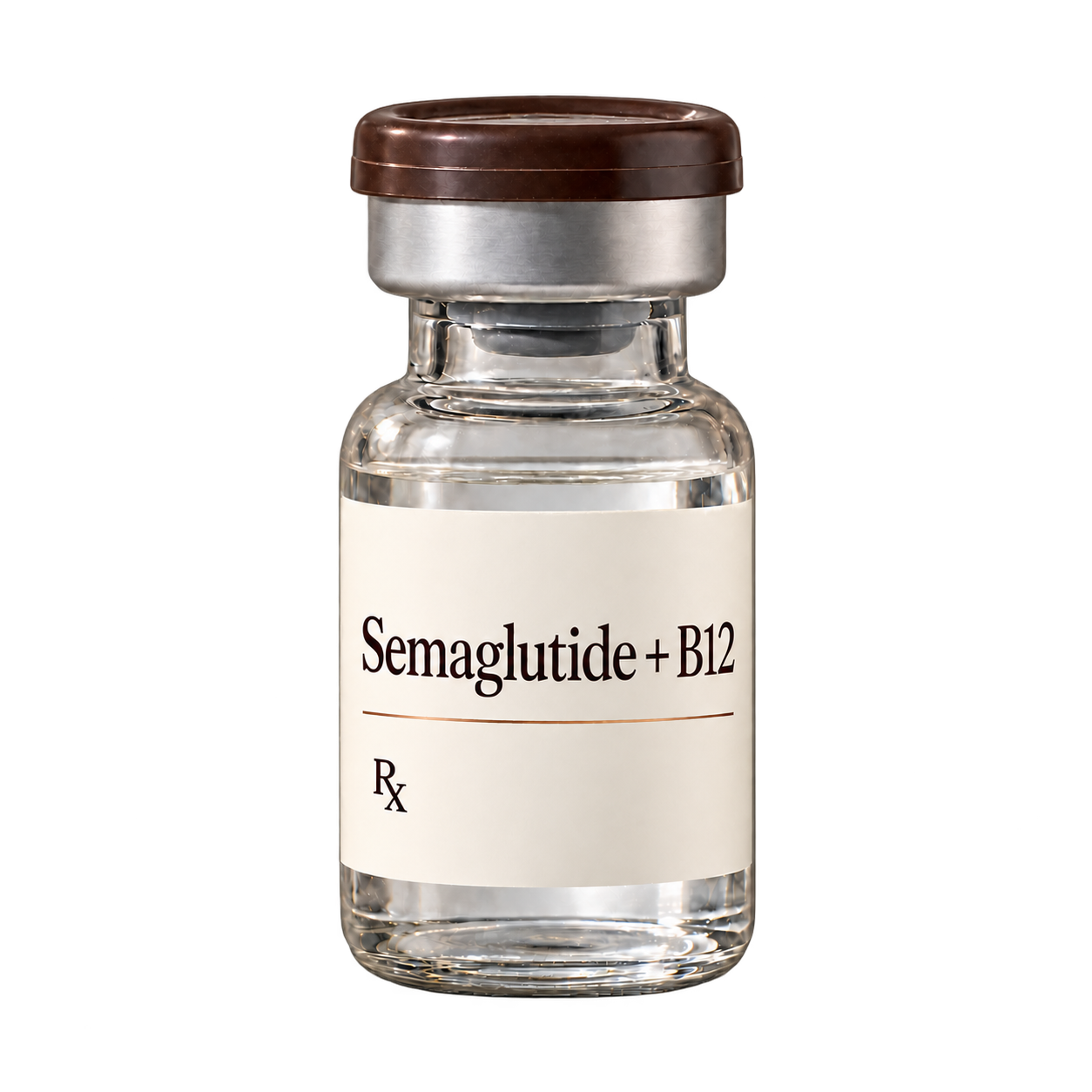
If you are searching how to stop taking ozempic safely, the safest approach is to involve the clinician who prescribed it and to have a plan for what to monitor after your last dose. What is “safe” depends on why you were taking semaglutide and what other medicines you use. This guide explains what to discuss, what symptoms should prompt urgent care, and what changes are common after stopping. Vitals Vault also offers lab options and PocketMD to help you organize questions and share results with a clinician.
- How to stop taking ozempic safely starts with your prescriber, not a self-directed stop or taper.
- Stopping semaglutide can bring back appetite and raise blood sugar in people with type 2 diabetes.
- Know urgent warning signs: severe belly pain, dehydration, allergic reaction, or low blood sugar symptoms.
- If you are pregnant or planning pregnancy, discuss stopping timing with your clinician.
How to stop taking Ozempic safely
What “safe stopping” involves
Confirm what you are taking
Ozempic is a brand product of semaglutide. Some people use compounded semaglutide, which is prepared by a pharmacy for an individual prescription and is not FDA-approved. Your plan to stop should match the exact product, dose, and schedule you have been using.
Plan for blood sugar changes
If you take semaglutide for type 2 diabetes, stopping can lead to higher blood sugar. This matters even more if you also use insulin or a sulfonylurea, because your overall diabetes regimen may need adjustment and monitoring. Ask your clinician what to watch for and when to check in.
Expect appetite to return
Semaglutide works partly by reducing appetite and slowing stomach emptying. When you stop, hunger and cravings may increase, and weight regain can occur in many people over time. A clinician can help you plan nutrition, activity, and alternative treatments if needed.
Do not ignore dehydration risks
Nausea, vomiting, and diarrhea are common with GLP-1 medicines and can lead to dehydration. If you are stopping because of stomach side effects, discuss supportive care and warning signs. Severe vomiting or inability to keep fluids down can become urgent.
Review pregnancy and breastfeeding plans
If you are pregnant, trying to become pregnant, or breastfeeding, talk with your clinician promptly. The Ozempic label advises stopping at least 2 months before a planned pregnancy because semaglutide can remain in the body for weeks. Your clinician can help weigh risks and alternatives.
Know the serious symptoms
Get medical help right away for severe abdominal pain that may radiate to the back (possible pancreatitis), signs of a serious allergic reaction, or symptoms of low blood sugar if you use insulin or a sulfonylurea. Also contact a clinician for possible gallbladder problems (right upper belly pain, fever, jaundice) or dehydration with reduced urination.
When to call a clinician or seek urgent care
Severe belly pain
Seek urgent care for severe, persistent abdominal pain, with or without vomiting. The Ozempic prescribing information warns about pancreatitis and gallbladder disease, which can present with significant abdominal pain. Do not try to manage this at home.
Low blood sugar symptoms
Call your clinician if you have shakiness, sweating, confusion, or fainting, especially if you use insulin or a sulfonylurea. The label notes increased hypoglycemia risk when semaglutide is used with these medicines. Your clinician may need to adjust your overall diabetes plan.
Allergic reaction
Get emergency help for swelling of the face, lips, tongue, or throat, trouble breathing, or widespread rash. Serious hypersensitivity reactions have been reported with semaglutide. Tell clinicians about all medicines and supplements you take.
Dehydration or kidney concerns
Contact a clinician if vomiting or diarrhea leads to dizziness, fainting, or reduced urination. The Ozempic label warns that severe gastrointestinal reactions can cause dehydration and may worsen kidney function. You may need evaluation and fluids.
Vision changes in diabetes
If you have diabetes and notice sudden vision changes, call your clinician. The Ozempic label includes a warning about diabetic retinopathy complications in patients with type 2 diabetes. Any new or worsening eye symptoms should be assessed.
Practical tips to make stopping safer
Write down your “why”
Side effects, cost, pregnancy plans, or goals change the safest plan.
List all diabetes medicines
Insulin or sulfonylureas change hypoglycemia and monitoring considerations.
Track symptoms for 2 weeks
Note nausea, appetite, bowel changes, and any warning symptoms to report.
Ask about alternatives
If you still need treatment, discuss other options and follow-up timing.
Bring labs if you have them
Recent metabolic and pancreas-related labs can support a safer conversation.
Frequently Asked Questions
How to stop taking ozempic safely if I have diabetes?
Do it with your prescribing clinician, because stopping semaglutide can raise blood sugar and may affect how your other diabetes medicines work. The Ozempic label notes higher hypoglycemia risk when used with insulin or sulfonylureas, so your overall regimen may need review.
Do I need to taper off Ozempic?
The Ozempic prescribing information does not describe a tapering schedule for discontinuation. Your clinician may still recommend a personalized plan based on side effects, blood sugar control, and other medicines you take.
What symptoms after stopping Ozempic mean I should seek urgent care?
Seek urgent care for severe, persistent abdominal pain (with or without vomiting), symptoms of a serious allergic reaction, or signs of dehydration such as fainting or very low urination. If you use insulin or a sulfonylurea, urgent evaluation may be needed for severe low blood sugar symptoms.
How long does Ozempic stay in your system after you stop?
The Ozempic label states semaglutide can remain in the body for weeks, which is why it advises stopping at least 2 months before a planned pregnancy. How you feel after stopping can vary based on dose, duration of use, and your health conditions.
Can Vitals Vault help me figure out whether symptoms are from Ozempic or something else?
Vitals Vault can help you order certain labs and share results with a clinician, which may support evaluation of symptoms. For personalized guidance, PocketMD can help you organize questions and understand when to seek in-person care. This does not replace urgent evaluation for severe or sudden symptoms.