
Ozempic pill dosage: is there a pill form?
There is no Ozempic pill dosage because Ozempic is an injection. Oral semaglutide exists as Rybelsus, with different labeled doses.
Key facts
- Semaglutide + B12 is $157/month (billed $157 every 4 weeks), charged only after a clinician approves it.
- Answer a few health questions online. A licensed clinician reviews them. If approved, it ships to your door.
- Adults 18 or older. A licensed clinician reviews your health history and decides whether treatment is appropriate for you. Availability depends on the state you live in.





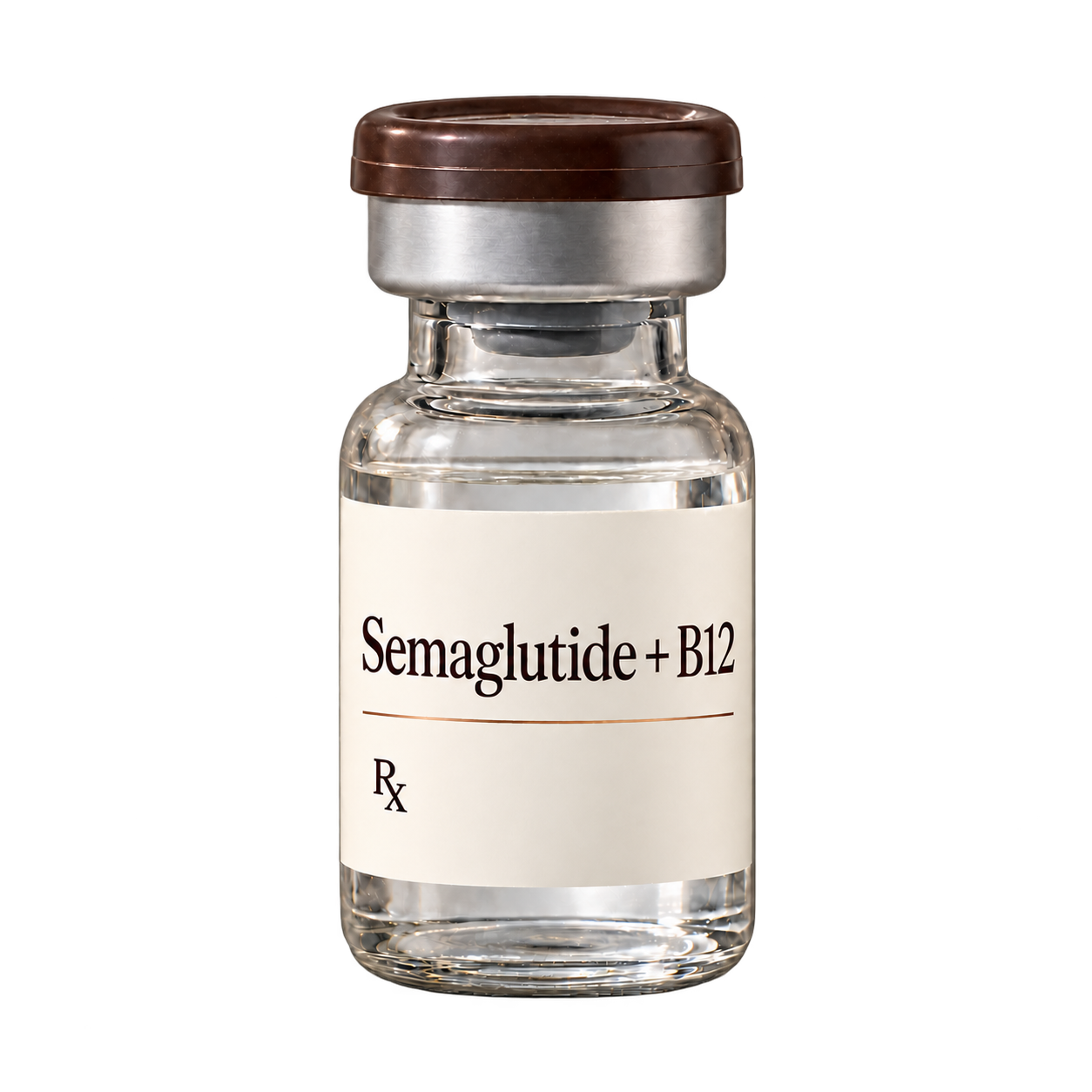
If you searched for ozempic pill dosage, the key point is simple: Ozempic (semaglutide) is labeled as an injection, so there is no FDA labeled pill dose for Ozempic. A different product, Rybelsus, contains semaglutide as a tablet and has its own labeled dosing and instructions. This page summarizes label based information so you can ask clearer questions. Vitals Vault also offers PocketMD to help you discuss dosing questions in the context of your own health history.
- There is no ozempic pill dosage because Ozempic is an injection, not an oral tablet.
- Oral semaglutide exists as Rybelsus, and its labeled dosing is different from Ozempic.
- Do not switch between injectable and oral semaglutide without prescriber guidance.
- Know urgent warning signs like severe abdominal pain with vomiting or severe low blood sugar symptoms.
Answer: is there an Ozempic pill dose?
Ozempic is not a pill
Ozempic (semaglutide) is labeled as a subcutaneous injection, not an oral tablet. That means there is no labeled Ozempic pill dosage to follow. If someone is offering an "Ozempic pill," it is not the branded Ozempic product.
Oral semaglutide is Rybelsus
Semaglutide is also available as an oral tablet under the brand Rybelsus. Rybelsus has its own labeled dosing schedule and specific instructions for how to take it. Those directions are not interchangeable with Ozempic dosing.
Compounded semaglutide is different
Some clinicians prescribe compounded semaglutide, which is prepared by a licensed pharmacy for an individual prescription and is not FDA-approved. It should not be described as a generic of Ozempic. Your prescriber and dispensing pharmacy provide dosing and administration instructions for the specific compounded product you receive.
How oral semaglutide dosing differs from Ozempic
| Topic | Ozempic (semaglutide injection) | Rybelsus (oral semaglutide tablet) |
|---|---|---|
| Form and route | Injection under the skin (subcutaneous). | Tablet taken by mouth. |
| How often it is taken | Once weekly dosing per label. | Once daily dosing per label. |
| Dose increases | Dose is increased in steps over time per prescribing information. | Dose is increased in steps over time per prescribing information. |
| How to take | Instructions for Use cover injection handling and administration. | Label includes specific instructions about taking it on an empty stomach with water and waiting before eating. |
Do not convert doses yourself
Even though both products contain semaglutide, the body absorbs oral semaglutide differently than injectable semaglutide. Because of that, you cannot safely calculate an equivalent "pill dose" from an injection dose. If a switch is considered, your prescriber should choose the starting dose and monitor tolerability.
Common side effects overlap
Common side effects listed in labeling for semaglutide products include nausea, vomiting, diarrhea, abdominal pain, and constipation. These effects can be more noticeable when starting or increasing a dose. Your clinician can suggest symptom management that fits your situation and the product directions.
Serious risks to know
Semaglutide products carry a boxed warning about risk of thyroid C-cell tumors in rodents and are contraindicated in people with a personal or family history of medullary thyroid carcinoma or MEN 2. Labeling also warns about pancreatitis, gallbladder disease, acute kidney injury (sometimes related to dehydration), and low blood sugar when used with insulin or insulin secretagogues.
Drug interactions and timing
Oral semaglutide has labeled instructions about timing with food and water, which can affect absorption. Semaglutide can also delay gastric emptying, which may affect absorption of some oral medicines. Bring a complete medication list so your clinician can check for timing and interaction issues.
When to talk to a clinician urgently vs soon
Possible pancreatitis symptoms
Seek urgent medical care for severe abdominal pain that may radiate to your back, especially with persistent vomiting. Pancreatitis is a labeled warning for semaglutide products and needs prompt evaluation. Get medical advice before taking another dose.
Gallbladder warning signs
Contact a clinician promptly for right upper abdominal pain, fever, jaundice, or persistent nausea and vomiting. Gallbladder problems, including gallstones, are described in GLP-1 labeling. You may need an exam and imaging to determine the cause.
Low blood sugar risk
If you use insulin or a medicine that increases insulin release, ask your prescriber how to recognize and respond to low blood sugar. Symptoms can include shakiness, sweating, confusion, or fainting. Severe symptoms are an emergency.
Thyroid or neck symptoms
Call your clinician if you notice a neck lump, hoarseness, trouble swallowing, or shortness of breath. Semaglutide products include a boxed warning and patient counseling about thyroid tumor risk. Your clinician can decide what evaluation is appropriate.
Dehydration and kidney concerns
If vomiting or diarrhea is persistent, contact a clinician, especially if you have kidney disease or take diuretics. Dehydration can worsen kidney function, and acute kidney injury is a labeled risk with GLP-1 medicines. Early care can prevent complications.
Pro tips for asking about dosing safely
Use the exact product name
Ask about Ozempic vs Rybelsus vs compounded semaglutide, not just "semaglutide."
Bring your full medication list
Include insulin, sulfonylureas, supplements, and any oral medicines with timing requirements.
Ask about missed doses
Missed dose instructions differ by product, so confirm the label guidance for yours.
Report side effects early
Nausea and vomiting can often be managed, but severe symptoms need evaluation.
Confirm administration training
For injections, your clinician or pharmacist should show you how to use your device.
Do not chase a number
Dose changes are about safety and tolerability, not reaching a target quickly.
Frequently Asked Questions
What is the ozempic pill dosage?
There is no Ozempic pill dosage because Ozempic is a once weekly injection. Oral semaglutide is sold as Rybelsus and has different labeled dosing and instructions. A clinician should guide any switch between products.
Is Rybelsus the same as Ozempic in pill form?
Rybelsus and Ozempic both contain semaglutide, but they are different products with different labeled directions. Rybelsus is taken by mouth daily, while Ozempic is injected weekly. Your prescriber can help decide which is appropriate for you.
Can I switch from Ozempic injections to an oral semaglutide tablet?
Switching between injectable and oral semaglutide should be done only with a prescriber, because dosing is not directly interchangeable. Your clinician will consider your medical history, other medications, and how you tolerated prior dose increases.
What side effects should I watch for when dose changes happen?
Common side effects listed in labeling include nausea, vomiting, diarrhea, abdominal pain, and constipation, which can be more noticeable after starting or increasing a dose. Seek urgent care for severe abdominal pain with persistent vomiting, or for severe low blood sugar symptoms if you use insulin or similar medicines.
Does Vitals Vault provide Ozempic pills?
Ozempic is a brand product and it is not a pill. Vitals Vault offers Semaglutide (compounded, injectable) as a compounded medication, not Ozempic, and compounded medications are not FDA-approved. A licensed clinician reviews your health history and decides whether treatment is appropriate for you.