
Ozempic pill: does it exist?
Ozempic is not a pill. It is an injectable semaglutide. Oral semaglutide exists as Rybelsus for type 2 diabetes, not as an Ozempic pill.
Key facts
- Semaglutide + B12 is $157/month (billed $157 every 4 weeks), charged only after a clinician approves it.
- Answer a few health questions online. A licensed clinician reviews them. If approved, it ships to your door.
- Adults 18 or older. A licensed clinician reviews your health history and decides whether treatment is appropriate for you. Availability depends on the state you live in.





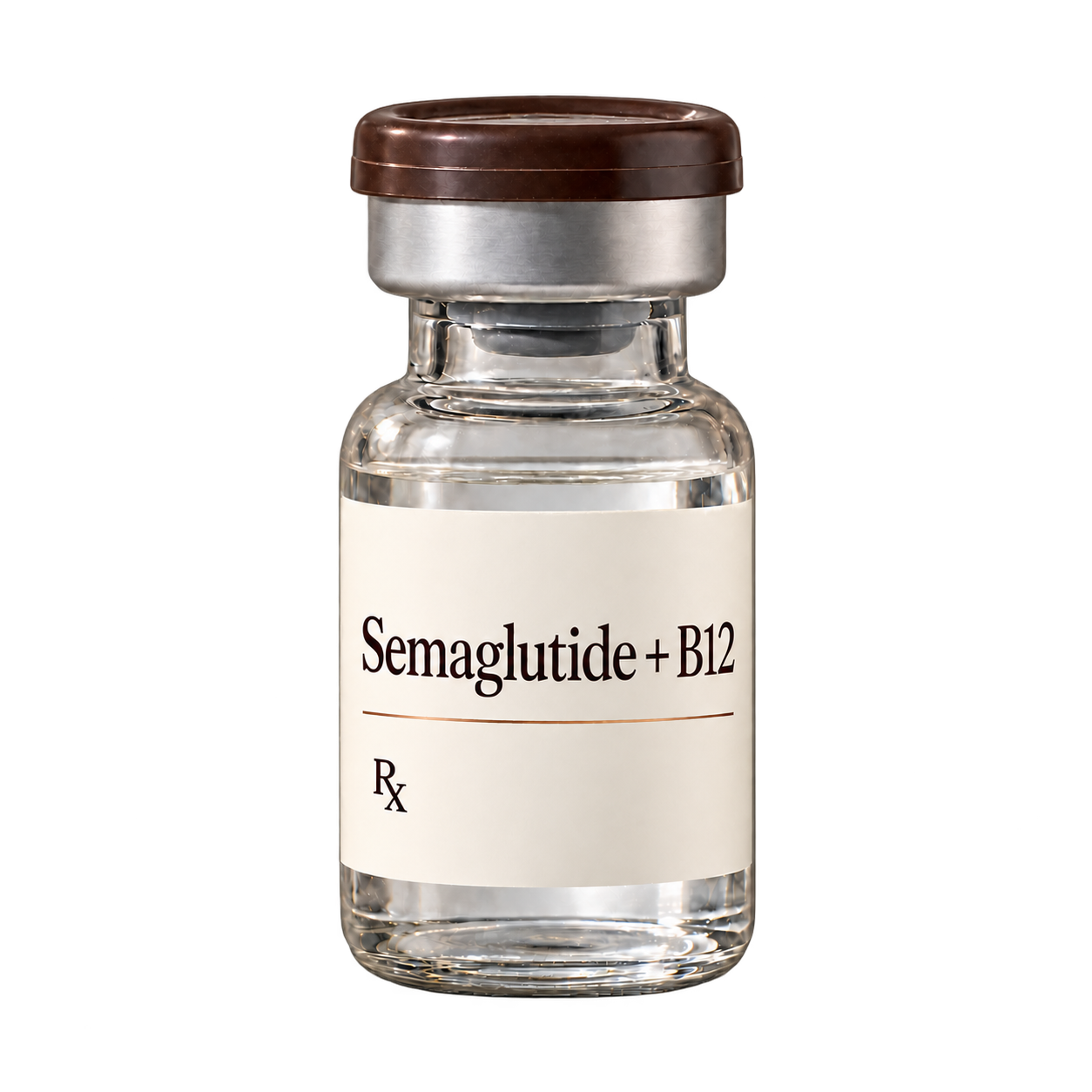
If you are searching for an ozempic pill, the key point is simple: Ozempic is an injectable medicine, not a tablet. Ozempic contains semaglutide and is given as a once weekly injection for adults with type 2 diabetes, with some cardiovascular risk reduction information in the label. Vitals Vault can help you sort out what is real, what is marketing, and what questions to bring to a licensed clinician, including how oral semaglutide (Rybelsus) differs from Ozempic and what “compounded semaglutide” means.
- There is no Ozempic pill. Ozempic is a once weekly injection of semaglutide.
- Oral semaglutide exists as Rybelsus tablets for type 2 diabetes, not Ozempic.
- If you see “Ozempic tablets,” it may be misinformation or a different product entirely.
- Compounded semaglutide is not Ozempic and is not FDA-approved.
Is Ozempic a pill?
What Ozempic is
Ozempic is a brand name for semaglutide injection. It is FDA-approved for adults with type 2 diabetes to improve blood sugar, along with diet and exercise. The label also includes information about reducing risk of major cardiovascular events in certain adults with type 2 diabetes and known heart disease.
What people mean by “Ozempic pill”
Most searches for “Ozempic pill form” refer to an oral version of semaglutide. The FDA-approved oral semaglutide product is Rybelsus, which is a different brand with different labeled uses and dosing instructions than Ozempic.
Why the wording matters
Ozempic, Rybelsus, and Wegovy are not interchangeable names for the same product. They are different branded products that use semaglutide in different forms and with different FDA-approved indications. A clinician can help you understand which, if any, fits your health goals and medical history.
Ozempic injection vs semaglutide tablets
| Question | Ozempic | Oral semaglutide (Rybelsus) |
|---|---|---|
| Is it a pill? | No. It is an injection. | Yes. It is a tablet. |
| Active ingredient | Semaglutide | Semaglutide |
| How it is taken | Injected under the skin (subcutaneous). | Taken by mouth as a tablet. |
| FDA-approved use (label) | Type 2 diabetes (plus cardiovascular risk reduction information for certain adults with type 2 diabetes and established cardiovascular disease). | Type 2 diabetes. |
Why there is not an “Ozempic tablet”
Ozempic is specifically the injectable semaglutide product. The oral semaglutide product is branded as Rybelsus, with its own FDA label and patient instructions. If a listing says “Ozempic tablets,” it is not describing the FDA-approved Ozempic product.
If you are seeing “Ozempic pill cost” searches
Costs vary widely based on what product you are actually referring to (Ozempic injection vs oral semaglutide tablets), insurance coverage, and pharmacy pricing. If you are comparing options, confirm the exact product name and dosage form, then ask your pharmacist or clinician about coverage and alternatives.
What “compounded semaglutide” means
Compounded semaglutide is prepared by a licensed pharmacy for an individual prescription and is not FDA-approved. It is not Ozempic, and it should not be described as a generic of Ozempic. If prescribed, your clinician and dispensing pharmacy should explain the specific formulation and how to use it safely.
Safety topics to know before choosing a form
Semaglutide products have important warnings and precautions in their FDA labels, including a boxed warning about risk of thyroid C-cell tumors and warnings about pancreatitis, gallbladder problems, kidney problems, and low blood sugar when used with certain diabetes medicines. Review the Medication Guide and discuss your personal risks with a clinician.
When to talk to a clinician
You want a pill instead of injections
Ask whether oral semaglutide (Rybelsus) is appropriate for you and what it is FDA-approved to treat. A clinician can explain how its instructions and monitoring differ from injectable semaglutide products.
You have thyroid cancer history
Semaglutide labels include a boxed warning about thyroid C-cell tumors and state that it is contraindicated in people with a personal or family history of medullary thyroid carcinoma or Multiple Endocrine Neoplasia syndrome type 2. Bring your personal and family history to the visit.
You have severe belly pain or vomiting
Persistent, severe abdominal pain (with or without vomiting) can be a warning sign of pancreatitis, which is listed in semaglutide labeling. Seek urgent medical evaluation rather than trying to manage symptoms at home.
You take insulin or a sulfonylurea
Semaglutide can increase the risk of low blood sugar when used with insulin or insulin secretagogues such as sulfonylureas, per FDA labeling. A clinician may need to adjust your overall diabetes plan and monitoring.
You are pregnant or planning pregnancy
Discuss pregnancy plans before starting any GLP-1 medicine. Product labeling for semaglutide includes pregnancy related guidance and a pregnancy exposure registry for some semaglutide products; your clinician can advise based on the specific product and indication.
Pro tips for “Ozempic pill” searches
Verify the exact brand name
Ozempic is injectable semaglutide. Oral semaglutide is branded as Rybelsus.
Check the dosage form
Look for “injection” versus “tablet” on the FDA label or pharmacy listing.
Ask about labeled use
Different semaglutide brands have different FDA-approved indications and instructions.
Be careful with “generic Ozempic” claims
Compounded semaglutide is not a generic and is not FDA-approved.
Bring a medication list
Insulin and sulfonylureas can change low blood sugar risk with semaglutide.
Frequently Asked Questions
Is Ozempic a pill?
No. Ozempic is semaglutide injection, not a tablet. If you want semaglutide in a pill, ask a clinician about oral semaglutide (Rybelsus), which has its own FDA-approved labeling.
Is there an ozempic pill form?
There is no Ozempic pill form. The FDA-approved semaglutide tablet is Rybelsus, which is a different brand than Ozempic and is labeled for type 2 diabetes.
Are there Ozempic tablets or an Ozempic tablet?
No. Ozempic is an injectable product, so “Ozempic tablets” is not an accurate description of the FDA-approved medicine. If you see that wording online, confirm the product name and dosage form with a pharmacist.
What affects ozempic pill cost if it is not a pill?
People usually mean the cost of semaglutide treatment options, which can vary by product (injectable Ozempic vs oral semaglutide), insurance coverage, and pharmacy pricing. If you are comparing options, verify the exact product and check current pricing and coverage through your pharmacy or plan.
Is compounded semaglutide the same as Ozempic?
No. Ozempic is a brand product, and compounded semaglutide is not Ozempic and is not FDA-approved. If a clinician prescribes a compounded medication, the dispensing pharmacy provides the specific formulation and instructions.