
Ozempic max dose: what the FDA label says
Ozempic max dose in the FDA label is 2 mg once weekly for adults with type 2 diabetes. See how dosing is escalated and key safety points.
Key facts
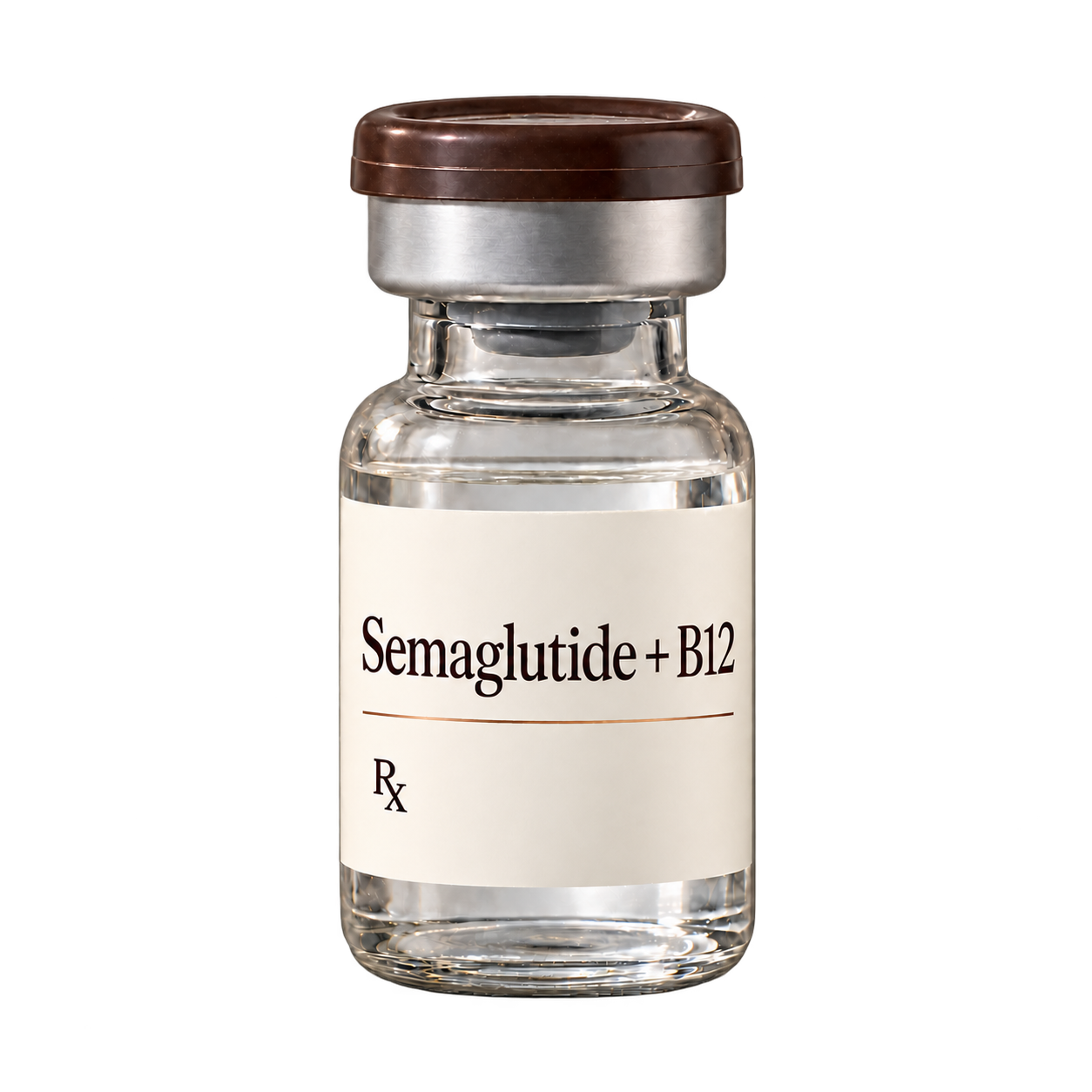
- Semaglutide + B12 is $157/month (billed $157 every 4 weeks), charged only after a clinician approves it.
- Answer a few health questions online. A licensed clinician reviews them. If approved, it ships to your door.
- Adults 18 or older. A licensed clinician reviews your health history and decides whether treatment is appropriate for you. Availability depends on the state you live in.


If you searched for the ozempic max dose, the safest reference is the FDA prescribing information. For adults with type 2 diabetes, Ozempic (semaglutide) has a labeled maximum recommended dosage of 2 mg once weekly, reached through stepwise increases. This page summarizes what the label says about maximum dosing, why clinicians may not push beyond it, and what to discuss if side effects or goals are an issue. Vitals Vault also offers PocketMD to help you ask dosing questions in the context of your own health history.
- The Ozempic max dose in the FDA label is 2 mg once weekly for type 2 diabetes.
- Ozempic is not FDA-approved for chronic weight management; Wegovy is semaglutide labeled for that use.
- The label escalates dosing gradually to improve tolerability, especially gastrointestinal side effects.
- If you are not meeting goals at the labeled maximum, clinicians usually reassess the overall plan.
What is the maximum dose of Ozempic?
Maximum for diabetes
In the FDA label for type 2 diabetes, Ozempic can be increased stepwise up to 2 mg once weekly if needed for additional glycemic control. If goals are not met at the labeled maximum, a clinician typically considers other diabetes therapies or a different plan rather than exceeding the label.
Not a weight loss label
Ozempic is not FDA-approved for chronic weight management. Semaglutide is also marketed as Wegovy for chronic weight management, with different labeled dosing and a different labeled maximum than Ozempic.
Compounded semaglutide differs
Vitals Vault offers Semaglutide (compounded, injectable) as a compounded medication, not Ozempic. Compounded medications are prepared by a licensed pharmacy for an individual prescription and are not FDA-approved, and dosing instructions come from the prescriber and dispensing pharmacy.
Ozempic dosing details that affect the max dose
| Label element | What the FDA label says | What it means for you |
|---|---|---|
| Starting dose | 0.25 mg once weekly for 4 weeks (not for glycemic control). | This is a tolerability step before moving to higher labeled doses. |
| Maintenance options | 0.5 mg once weekly; may increase to 1 mg once weekly if additional control needed. | Your clinician may stay at a lower maintenance dose if it is effective and tolerated. |
| Maximum recommended dose | 2 mg once weekly if additional glycemic control needed. | This is the labeled ceiling for Ozempic in type 2 diabetes. |
| Escalation timing | Dose increases occur after at least 4 weeks on the current dose. | Gradual increases are intended to reduce gastrointestinal side effects. |
Why a max dose exists
A labeled maximum reflects the highest dose studied and recommended for the approved indication. If you need more benefit than the labeled maximum provides, clinicians often consider adding or switching medications rather than going above the label.
Common side effects can limit dose
The most common adverse reactions in the Ozempic label are gastrointestinal, including nausea, vomiting, diarrhea, abdominal pain, and constipation. These are often most noticeable during dose escalation, which is why the label uses stepwise increases.
Hypoglycemia risk with certain drugs
Ozempic can increase the risk of hypoglycemia when used with insulin secretagogues (such as sulfonylureas) or insulin. If you take those medicines, your prescriber may adjust the other drug or monitoring plan rather than increasing Ozempic.
Serious risks apply at any dose
Ozempic has a boxed warning about thyroid C-cell tumors seen in rodents and is contraindicated with a personal or family history of medullary thyroid carcinoma or in Multiple Endocrine Neoplasia syndrome type 2. The label also warns about pancreatitis, acute gallbladder disease, acute kidney injury, and diabetic retinopathy complications.
Pen strengths affect dose options
Ozempic pens are designed to deliver specific dose options depending on the pen. If you are unsure which pen you have or what doses it can deliver, confirm with your pharmacist or prescribing clinician.
When to talk to your clinician about dose and safety
You are at 2 mg weekly
If you are already at the labeled maximum (2 mg once weekly) and still not meeting goals, ask what the next step should be. A clinician may review adherence, other medications, and whether a different diabetes or weight-management plan fits your diagnosis.
Severe stomach symptoms
Persistent vomiting, inability to keep fluids down, or severe abdominal pain should be discussed promptly. These can be medication side effects, but they can also signal dehydration or conditions the label warns about, such as pancreatitis or gallbladder disease.
Symptoms of low blood sugar
Shakiness, sweating, confusion, or fainting can be signs of hypoglycemia, especially if you use insulin or a sulfonylurea. Your clinician may adjust other diabetes medicines or monitoring rather than increasing Ozempic.
Vision changes
If you have diabetes-related eye disease or notice new vision changes, tell your clinician. The Ozempic label warns about diabetic retinopathy complications, and your clinician may recommend eye monitoring during treatment changes.
Thyroid or neck symptoms
Report a neck mass, hoarseness, trouble swallowing, or shortness of breath. Ozempic has a boxed warning related to thyroid C-cell tumors and specific contraindications for certain thyroid cancer histories.
Pro tips for using max-dose information safely
Confirm the indication
Ozempic dosing is labeled for type 2 diabetes, not chronic weight management.
Use the label as a ceiling
If you are at the labeled maximum, ask about next-step options instead of higher dosing.
Expect GI effects during increases
Nausea and other GI symptoms are common during escalation. Tell your clinician early.
Know your hypoglycemia context
Risk is higher with insulin or sulfonylureas. Ask if other meds need adjustment.
Keep patient materials handy
Use the Medication Guide and pharmacist counseling for missed-dose and safety questions.
Frequently Asked Questions
What is the max dose of Ozempic?
For adults with type 2 diabetes, the Ozempic prescribing information lists 2 mg once weekly as the maximum recommended dosage. Your prescriber chooses the dose based on response and tolerability.
What is the ozempic max dose for type 2 diabetes?
The Ozempic label lists 2 mg once weekly as the maximum recommended dosage for adults with type 2 diabetes. If goals are not met at that dose, clinicians often reassess the overall diabetes plan rather than exceeding the label.
Is Ozempic max dose the same as Wegovy max dose?
No. Ozempic and Wegovy are different FDA-approved products with different labeled indications and dosing schedules, even though both contain semaglutide. Your clinician can help match the right product and label to your goal.
Does the Ozempic pen strength affect the maximum dose?
Yes. Ozempic pens are designed to deliver specific dose options depending on the pen, and the prescribing information and pen labeling describe those options. If you are unsure what your pen can deliver, confirm with your pharmacist or clinician.
What should I do if side effects happen before reaching the Ozempic max dose?
Tell your prescribing clinician, especially if you cannot keep fluids down or have severe abdominal pain. The label uses gradual dose increases to improve tolerability, and your clinician may slow titration or reassess other medicines rather than increasing the dose.