
Ozempic 2 mg dose for weight loss: what to know
Ozempic 2 mg dose for weight loss? It is a labeled weekly maintenance dose for type 2 diabetes, not a weight loss dose. Here is what the label says.
Key facts
- Semaglutide + B12 is $157/month (billed $157 every 4 weeks), charged only after a clinician approves it.
- Answer a few health questions online. A licensed clinician reviews them. If approved, it ships to your door.
- Adults 18 or older. A licensed clinician reviews your health history and decides whether treatment is appropriate for you. Availability depends on the state you live in.


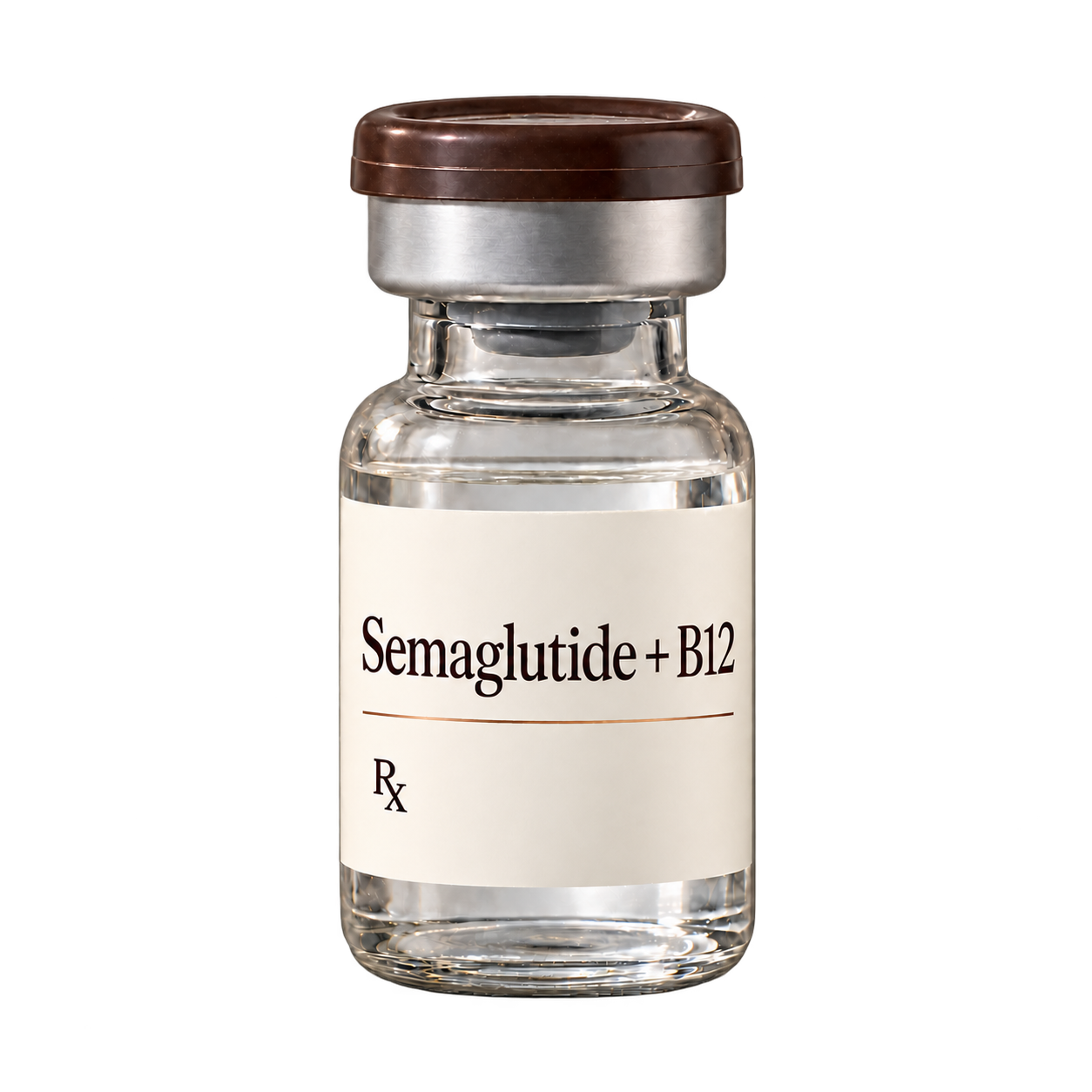
If you searched for “ozempic 2 mg dose for weight loss,” the key point is that Ozempic (semaglutide) is FDA approved for type 2 diabetes, and its 2 mg strength is part of labeled diabetes dosing, not a labeled weight loss dose. This page summarizes what the FDA prescribing information says about Ozempic dosing and what that means for weight loss questions. Vitals Vault also offers clinician guided care with compounded semaglutide, which is not Ozempic and is not FDA approved.
- Ozempic 2 mg is a labeled weekly maintenance dose for type 2 diabetes, not a labeled weight loss dose.
- The Ozempic label uses a gradual dose increase schedule before reaching 2 mg, if needed for glycemic control.
- For weight management, FDA approval is for semaglutide 2.4 mg (Wegovy), not Ozempic.
- Do not change your dose on your own. A clinician should guide dose changes and side effect management.
Ozempic 2 mg dose: the direct answer
Ozempic is not the weight loss label
Ozempic is FDA approved to improve blood sugar control in type 2 diabetes and to reduce the risk of major cardiovascular events in adults with type 2 diabetes and known heart disease. Wegovy is the semaglutide product FDA approved for chronic weight management at a different target dose.
2 mg is not a starting dose
The prescribing information describes a gradual dose increase over time to help tolerability, especially nausea and other gastrointestinal effects. The 2 mg dose is reached only after earlier steps and only if the prescriber determines it is needed for glycemic control.
Dose decisions are individualized
Your clinician considers your goals, side effects, other medicines, and medical history. If you are using semaglutide through a compounded prescription, your prescriber and dispensing pharmacy provide the specific dosing instructions for your product.
What the FDA label says about dosing
| Topic | What the label says | What it means for weight loss questions |
|---|---|---|
| Indication | Ozempic (semaglutide) is indicated as an adjunct to diet and exercise to improve glycemic control in adults with type 2 diabetes, and to reduce the risk of major cardiovascular events in adults with type 2 diabetes and established cardiovascular disease. | If the goal is chronic weight management, the FDA approved semaglutide product is Wegovy, not Ozempic. |
| Dose escalation | The label describes starting at a lower dose and increasing stepwise at set intervals to improve tolerability before moving to higher maintenance doses. | People often ask about “2 mg” because it is a higher labeled maintenance option, but it is not intended as a starting point. |
| Maintenance options | After escalation, the label includes maintenance dosing options and allows increasing to 2 mg once weekly if additional glycemic control is needed. | Even if a higher dose is used, Ozempic remains a diabetes labeled regimen, not a labeled weight loss regimen. |
| Missed dose | The prescribing information includes instructions for what to do if a dose is missed, including timing rules and when to skip and resume the regular schedule. | Follow the label and your prescriber’s guidance. Do not double doses to “catch up.” |
| Administration | Ozempic is administered by subcutaneous injection. The label and Instructions for Use describe approved injection sites and how to use the pen. | If you use Ozempic, follow the Instructions for Use and get training from your clinician or pharmacist. If you use compounded semaglutide, your pharmacy provides instructions for that product. |
Common side effects
In clinical trials, gastrointestinal effects were among the most commonly reported side effects with Ozempic, including nausea, vomiting, diarrhea, abdominal pain, and constipation. Eating smaller meals and avoiding high fat foods may help some people tolerate these effects, but discuss persistent symptoms with your clinician.
Low blood sugar with certain meds
Ozempic can increase the risk of hypoglycemia (low blood sugar) when used with insulin secretagogues such as sulfonylureas or with insulin. Your prescriber may adjust other diabetes medicines to reduce this risk, and you should know the symptoms of low blood sugar and how to respond.
Pancreatitis warning
Acute pancreatitis has been reported with GLP-1 receptor agonists, including semaglutide. Seek urgent medical care for severe abdominal pain that may radiate to the back, with or without vomiting, and do not restart the medication unless a clinician tells you to.
Gallbladder problems
Gallbladder disease, including cholelithiasis (gallstones) and cholecystitis (gallbladder inflammation), has been reported. Contact a clinician promptly for upper abdominal pain, fever, jaundice, or persistent nausea and vomiting.
Kidney injury risk with dehydration
Acute kidney injury has been reported, sometimes in people who had nausea, vomiting, diarrhea, or dehydration. If you cannot keep fluids down or you have reduced urination, contact a clinician promptly.
Thyroid C-cell tumor boxed warning
Ozempic has a boxed warning about thyroid C-cell tumors seen in rodents. It is contraindicated in people with a personal or family history of medullary thyroid carcinoma or in people with Multiple Endocrine Neoplasia syndrome type 2.
When to talk to a clinician
Before changing any dose
If you are considering moving up to a higher dose, talk with the prescribing clinician first. They can weigh benefits, side effects, and interactions with other medicines, especially insulin or sulfonylureas.
If side effects limit eating or drinking
Persistent vomiting, severe diarrhea, or inability to keep fluids down can lead to dehydration and may increase kidney risk. Contact a clinician promptly if symptoms are severe, prolonged, or worsening.
If you have severe abdominal pain
Severe abdominal pain that does not go away, especially if it radiates to your back or comes with vomiting, can be a warning sign for pancreatitis or gallbladder disease. Seek urgent medical care.
If you notice neck symptoms
Report a lump or swelling in the neck, hoarseness, trouble swallowing, or shortness of breath. These symptoms can have many causes, but the label advises evaluation given the thyroid tumor warning.
Practical tips if you are using semaglutide
Know which product you have
Ozempic and Wegovy are different labeled products. Compounded semaglutide is not either brand and is not FDA-approved.
Do not chase a number
Higher dose is not always better. Tolerability and safety matter as much as dose.
Track symptoms and timing
Write down nausea, constipation, reflux, and appetite changes. Bring the pattern to your check-in.
Review other medicines
Ask about hypoglycemia risk if you use insulin or a sulfonylurea.
Use the official instructions
For Ozempic, follow the FDA-approved Instructions for Use and get trained by your clinician or pharmacist.
Frequently Asked Questions
Is ozempic 2 mg dose for weight loss FDA approved?
No. Ozempic is FDA approved for type 2 diabetes (and cardiovascular risk reduction in certain adults with type 2 diabetes), not for chronic weight management. Semaglutide for chronic weight management is FDA approved as Wegovy at a different target dose.
Is 2 mg the maximum Ozempic dose?
The Ozempic prescribing information includes 2 mg once weekly as a maintenance dose option for adults with type 2 diabetes who need additional glycemic control. Your prescriber determines whether a higher maintenance dose is appropriate based on benefits and tolerability.
Can you start Ozempic at 2 mg?
No. The FDA label describes starting at a lower dose and increasing stepwise over time to improve tolerability. Starting at a high dose can increase side effects and is not how Ozempic is intended to be used.
What happens if you miss an Ozempic dose at 2 mg?
The prescribing information includes specific timing instructions for missed doses, including when to take the missed dose and when to skip it and resume the regular schedule. Follow the label and your clinician’s guidance rather than trying to make up for a missed dose.
Is compounded semaglutide the same as Ozempic?
No. Ozempic is a brand product. Vitals Vault offers Semaglutide (compounded, injectable) as a compounded medication, not Ozempic, and compounded medications are not FDA-approved.