
Ozempic diarrhea: what causes it and what helps
Ozempic diarrhea is a common GLP-1 side effect that may improve over time. Know triggers, home care, and when to call a clinician or seek urgent care.
Key facts
- Semaglutide + B12 is $157/month (billed $157 every 4 weeks), charged only after a clinician approves it.
- Answer a few health questions online. A licensed clinician reviews them. If approved, it ships to your door.
- Adults 18 or older. A licensed clinician reviews your health history and decides whether treatment is appropriate for you. Availability depends on the state you live in.


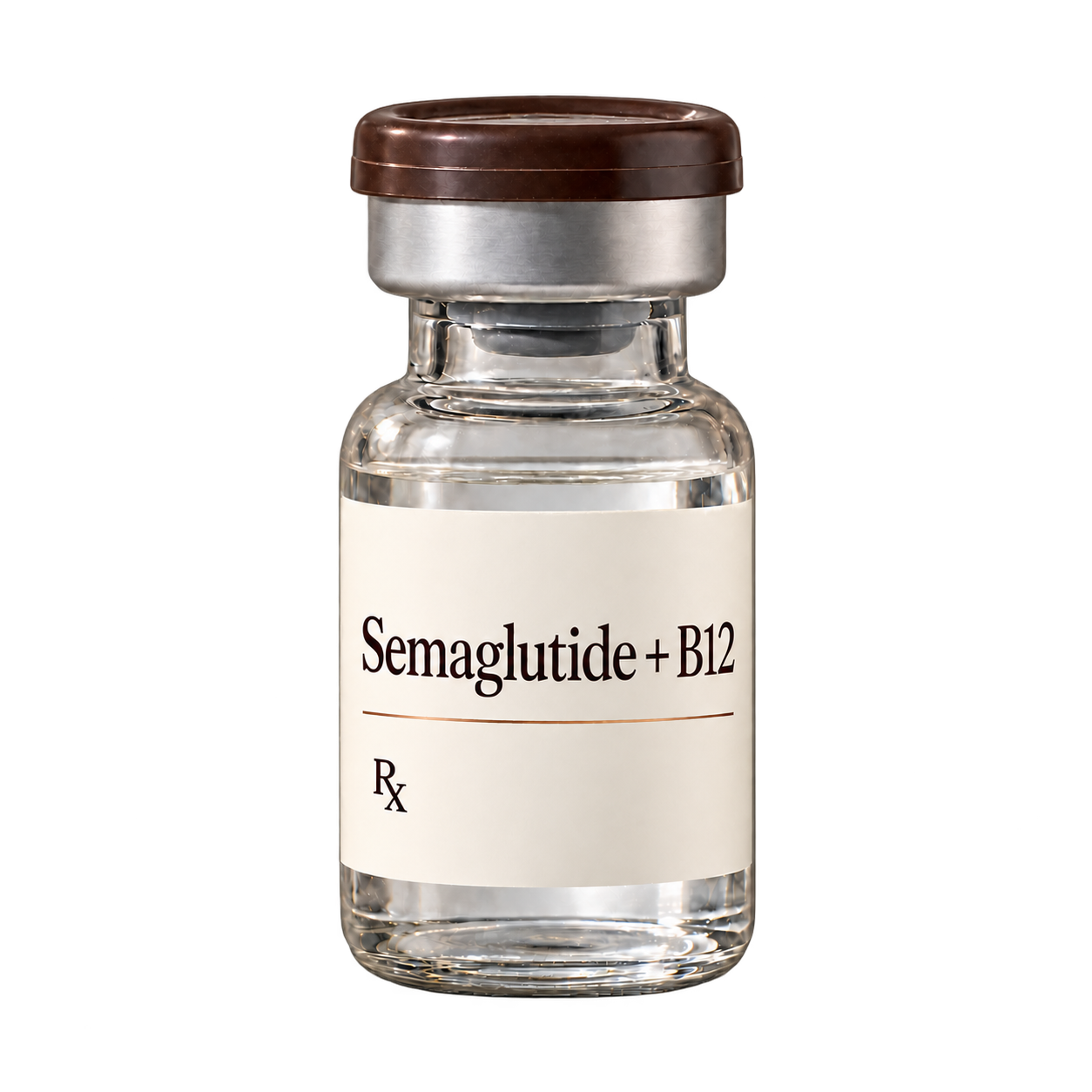
Ozempic (semaglutide) can cause diarrhea. For many people it is most noticeable when treatment starts or after a dose increase, and it may improve as your body adjusts. This guide explains why ozempic diarrhea happens, what typically helps, and when it could signal something more serious. Vitals Vault also offers tools to check for dehydration risk and to discuss symptoms with a clinician.
- Ozempic diarrhea can happen, especially when starting or increasing the dose.
- It is usually related to GLP-1 effects on digestion and appetite.
- Hydration and simpler, lower fat meals often help while your body adjusts.
- Call a clinician for dehydration signs or severe, persistent diarrhea.
Does Ozempic cause diarrhea?
- Medication
- Ozempic (semaglutide), a GLP-1 receptor agonist
- Symptom
- Diarrhea is a listed adverse reaction
- Why it matters
- Severe GI reactions can cause dehydration and kidney problems
Why Ozempic diarrhea happens and what can help
A common GI side effect
Diarrhea is among the gastrointestinal side effects reported with Ozempic. GI side effects are often most noticeable when you start semaglutide or when the dose is increased. If diarrhea is mild, clinicians often focus on hydration and diet adjustments while monitoring symptoms.
How GLP-1 affects digestion
Semaglutide activates GLP-1 receptors, which can slow stomach emptying and change appetite and digestion. Those changes can contribute to nausea, stomach upset, and diarrhea in some people. Symptoms can be more noticeable during dose escalation.
Food triggers to watch
High fat meals, large portions, and rich or spicy foods can worsen GI symptoms for some people on GLP-1 medicines. If diarrhea starts after a specific meal, a simpler diet for a few days may help you see whether food choices are contributing. If you cannot keep fluids down, contact a clinician promptly.
Hydration and electrolytes
Diarrhea can cause fluid and electrolyte loss. Drinking fluids regularly and using an oral rehydration solution can help replace what you lose. If you have heart failure, kidney disease, or take diuretics, ask a clinician what hydration approach is safest for you.
Kidney risk if dehydrated
Ozempic labeling warns that severe gastrointestinal reactions can lead to dehydration, which may cause acute kidney injury or worsen existing kidney disease. This is one reason persistent diarrhea should not be ignored, especially if you also have vomiting, low urine output, or dizziness.
When it could be pancreatitis
Severe abdominal pain that may radiate to the back, with or without vomiting, can be a sign of pancreatitis, a serious warning in Ozempic labeling. Diarrhea alone is not typical for pancreatitis, but new severe belly pain with GI symptoms needs urgent medical evaluation.
| What you notice | What it may mean | What to do next |
|---|---|---|
| Loose stools soon after starting or a dose increase | Common GLP-1 GI effect that may improve with time | Hydrate, simplify meals, and message your prescriber if it persists |
| Diarrhea plus dizziness, weakness, very dark urine, or low urination | Possible dehydration | Contact a clinician promptly; urgent care may be needed |
| Severe stomach pain with or without vomiting | Possible pancreatitis or another acute abdominal problem | Seek urgent medical evaluation |
| Diarrhea with fever or blood in stool | Possible infection or inflammatory cause | Seek medical evaluation; do not assume it is from Ozempic |
When to call a clinician or seek urgent care
Call promptly for dehydration signs
Contact a clinician if you have dizziness, fainting, confusion, very dark urine, or you are urinating much less than usual. Dehydration can become dangerous quickly, especially if you have kidney disease or take medicines that affect fluid balance. Ozempic labeling highlights dehydration as a pathway to kidney problems.
Seek urgent care for severe belly pain
Get urgent evaluation for severe abdominal pain that does not go away, especially if it spreads to your back or comes with vomiting. This symptom pattern is emphasized in Ozempic labeling as a possible sign of pancreatitis. Do not wait for the diarrhea to resolve on its own if pain is severe.
Get evaluated for blood or fever
Blood in the stool, black tarry stools, or fever are not typical GLP-1 adjustment symptoms. These can signal infection, bleeding, or another condition that needs medical assessment. Tell the clinician you are using semaglutide so they can consider medication related causes too.
If symptoms keep returning
If diarrhea keeps coming back after each injection or after each dose change, discuss it with your prescriber. They may review timing, diet, other medications, and whether your plan needs adjustment. Do not change your dose on your own.
Pro tips for managing mild diarrhea
Go smaller and simpler
Smaller meals and lower fat foods may be easier to tolerate during GI side effects.
Prioritize fluids
Sip fluids regularly; consider oral rehydration if stools are frequent.
Track timing
Note when diarrhea starts relative to injections, meals, and dose changes.
Review other meds
Ask if metformin, magnesium, antibiotics, or laxatives could be contributing.
Know your red flags
Severe pain, blood, fever, or dehydration signs mean you should seek care.
Frequently Asked Questions
Is ozempic diarrhea common?
Diarrhea is listed as a common adverse reaction with Ozempic (semaglutide). It is often most noticeable when starting treatment or after a dose increase. If it is severe or persistent, contact your clinician.
Why am I getting ozempic and diarrhea after my injection?
Semaglutide can affect digestion and appetite, which can trigger gastrointestinal side effects like diarrhea. Timing around injections can happen, especially during dose changes. Track timing and severity and share it with your prescriber.
How long does diarrhea last on Ozempic?
Many people notice GI side effects most when starting Ozempic or after a dose increase, and they may improve as the body adjusts. If diarrhea continues, keeps returning, or causes dehydration, you should contact a clinician for guidance.
When is diarrhea on Ozempic an emergency?
Seek urgent care if you have severe abdominal pain (especially with vomiting), signs of dehydration like dizziness or very low urination, or blood in the stool or fever. Ozempic labeling warns that severe GI reactions can lead to dehydration and kidney problems.
Can I use Vitals Vault if I am worried about diarrhea?
Yes. You can use Vitals Vault to order labs that may help check hydration and kidney related markers and share results with a clinician. For severe or sudden symptoms, seek urgent care instead of relying on labs or an app.