
Ozempic constipation: what to do and when to worry
Ozempic constipation is a known side effect. Get practical relief tips, warning signs, and when to call your clinician or seek care.
Key facts
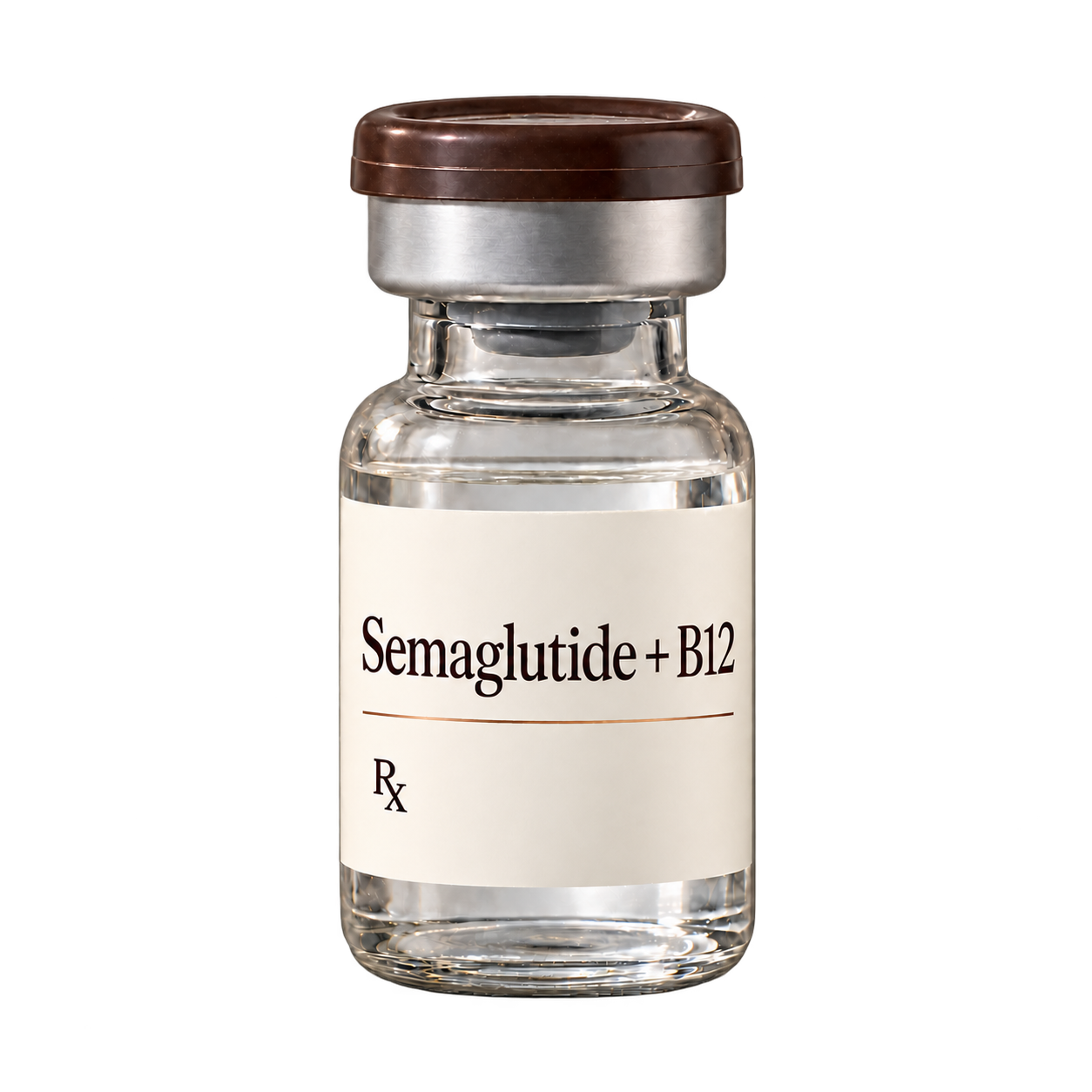
- Semaglutide + B12 is $157/month (billed $157 every 4 weeks), charged only after a clinician approves it.
- Answer a few health questions online. A licensed clinician reviews them. If approved, it ships to your door.
- Adults 18 or older. A licensed clinician reviews your health history and decides whether treatment is appropriate for you. Availability depends on the state you live in.


Ozempic (semaglutide) can cause constipation, along with other stomach and bowel side effects. For many people it is mild and improves as the body adjusts, but constipation can sometimes become severe or signal a different problem that needs medical care. This guide explains why it happens, what typically helps, and which warning signs mean you should contact a clinician. If you want to check for dehydration or kidney stress, Vitals Vault can help you start with labs and share results with a clinician.
- Ozempic constipation can happen because semaglutide slows stomach emptying and gut movement.
- Constipation is usually manageable with fluids, fiber, movement, and clinician approved laxatives.
- Call your clinician for severe, persistent constipation or dehydration symptoms.
- Seek urgent care for severe belly pain, vomiting, or signs of bowel blockage.
Answer: is constipation from Ozempic normal?
Why it happens and what helps
Slower gut movement
Semaglutide is a GLP-1 receptor agonist. In the Ozempic prescribing information, it is described as delaying gastric emptying, which can contribute to nausea, fullness, and constipation for some people.
Eating less and less fiber
Many people naturally eat smaller portions on GLP-1 therapy. If your overall food volume and fiber drop quickly, stools can become smaller and harder, which can worsen constipation even if the medication is the main trigger.
Not enough fluids
Constipation can worsen when you are not drinking enough, especially if nausea reduces your intake. Vomiting or diarrhea can also lead to dehydration, which is important because Ozempic labeling warns about acute kidney injury in the setting of severe gastrointestinal reactions.
Low activity and routine changes
Less movement, travel, and changes in routine can slow bowel motility. Gentle daily movement can help stimulate the gut and is often a practical first step if your clinician says it is safe for you.
Constipation relief options
Common approaches include increasing fluids, gradually increasing dietary fiber, and using an over-the-counter stool softener or laxative if your clinician or pharmacist says it is appropriate. Avoid taking multiple products at once without guidance, especially if you have kidney disease or are dehydrated.
Watch for medication interactions
Because semaglutide delays gastric emptying, it can affect absorption of some oral medicines. If constipation is accompanied by nausea, vomiting, or you cannot keep medicines down, contact your clinician to discuss how to take your other medications safely.
| What you notice | What it can mean | What usually helps | When to escalate |
|---|---|---|---|
| Hard stools, fewer bowel movements | Slower digestion and lower intake on GLP-1 therapy | More fluids, gradual fiber increase, movement; consider clinician approved OTC options | If it is severe, does not improve, or you cannot pass gas |
| Constipation plus dizziness, dark urine, very dry mouth | Possible dehydration, sometimes after nausea, vomiting, or diarrhea | Oral fluids and electrolytes if you can tolerate them; contact your clinician | Urgent care if you cannot keep fluids down or feel faint |
| Severe belly pain with vomiting or swelling | Could be a serious GI problem, including possible bowel obstruction | Do not self-treat at home | Seek urgent evaluation |
| Constipation with severe upper belly pain that may radiate to the back | Pancreatitis is a labeled warning for semaglutide products | Stop trying to manage symptoms alone and get medical advice | Urgent evaluation, especially if pain is severe or persistent |
When to call a clinician
Constipation that is severe
Contact a clinician if constipation is painful, worsening, or not improving with basic measures. They can check for dehydration, review other medicines that may contribute, and recommend a safe plan based on your health history.
You cannot keep fluids down
If nausea or vomiting prevents you from drinking, you can become dehydrated. Ozempic labeling warns that acute kidney injury has been reported, sometimes in people who had nausea, vomiting, diarrhea, or dehydration.
Severe stomach pain
Seek urgent evaluation for severe or persistent abdominal pain, especially with vomiting. This can be a sign of a serious problem such as pancreatitis or bowel obstruction, which needs prompt medical assessment.
Blood in stool or black stools
Blood in the stool or black, tarry stools can signal bleeding in the digestive tract. This is not a typical Ozempic side effect to ignore and should be evaluated promptly.
Pro tips to prevent constipation on GLP-1s
Increase fiber gradually
A sudden fiber jump can worsen bloating. Increase slowly and pair it with fluids.
Prioritize fluids daily
Sip throughout the day, especially if nausea makes large drinks hard.
Add gentle movement
Walking after meals can support gut motility if it is safe for you.
Keep a symptom log
Track bowel habits, fluids, and nausea to share with your clinician.
Ask before using laxatives
Your clinician or pharmacist can suggest safer options for your situation.
Frequently Asked Questions
Is ozempic constipation normal?
Yes. Constipation is listed in Ozempic prescribing information as a gastrointestinal side effect. If it is severe, persistent, or comes with vomiting or severe abdominal pain, contact a clinician promptly.
Can Ozempic cause constipation even if you drink water?
It can. Semaglutide delays gastric emptying and can slow gut movement, which may cause constipation even with good hydration. Drinking enough fluids still matters, especially if nausea, vomiting, or diarrhea occur.
What can I take for ozempic constipation?
Many people start with fluids, gradual fiber increases, and gentle activity. Over-the-counter stool softeners or laxatives may be appropriate for some people, but it is safest to ask your clinician or pharmacist, especially if you have kidney disease or dehydration.
When is constipation on Ozempic an emergency?
Seek urgent evaluation for severe or worsening abdominal pain, vomiting, abdominal swelling, or inability to pass gas or stool. These can be signs of a serious gastrointestinal problem that should not be managed at home.
Can Vitals Vault labs help if Ozempic constipation is severe?
They can help check for issues that sometimes accompany severe gastrointestinal symptoms, such as dehydration or kidney stress, but labs do not diagnose the cause of constipation. If symptoms are sudden, severe, or include severe pain or vomiting, seek urgent care instead of ordering labs.