
Does mounjaro cause constipation?
Does Mounjaro cause constipation? Yes, often early or after dose increases. Here is why it happens, what may help, and when to call.
Key facts
- Tirzepatide + B12 is $169/month (billed $169 every 4 weeks), charged only after a clinician approves it.
- Answer a few health questions online. A licensed clinician reviews them. If approved, it ships to your door.
- Adults 18 or older. A licensed clinician reviews your health history and decides whether treatment is appropriate for you. Availability depends on the state you live in.


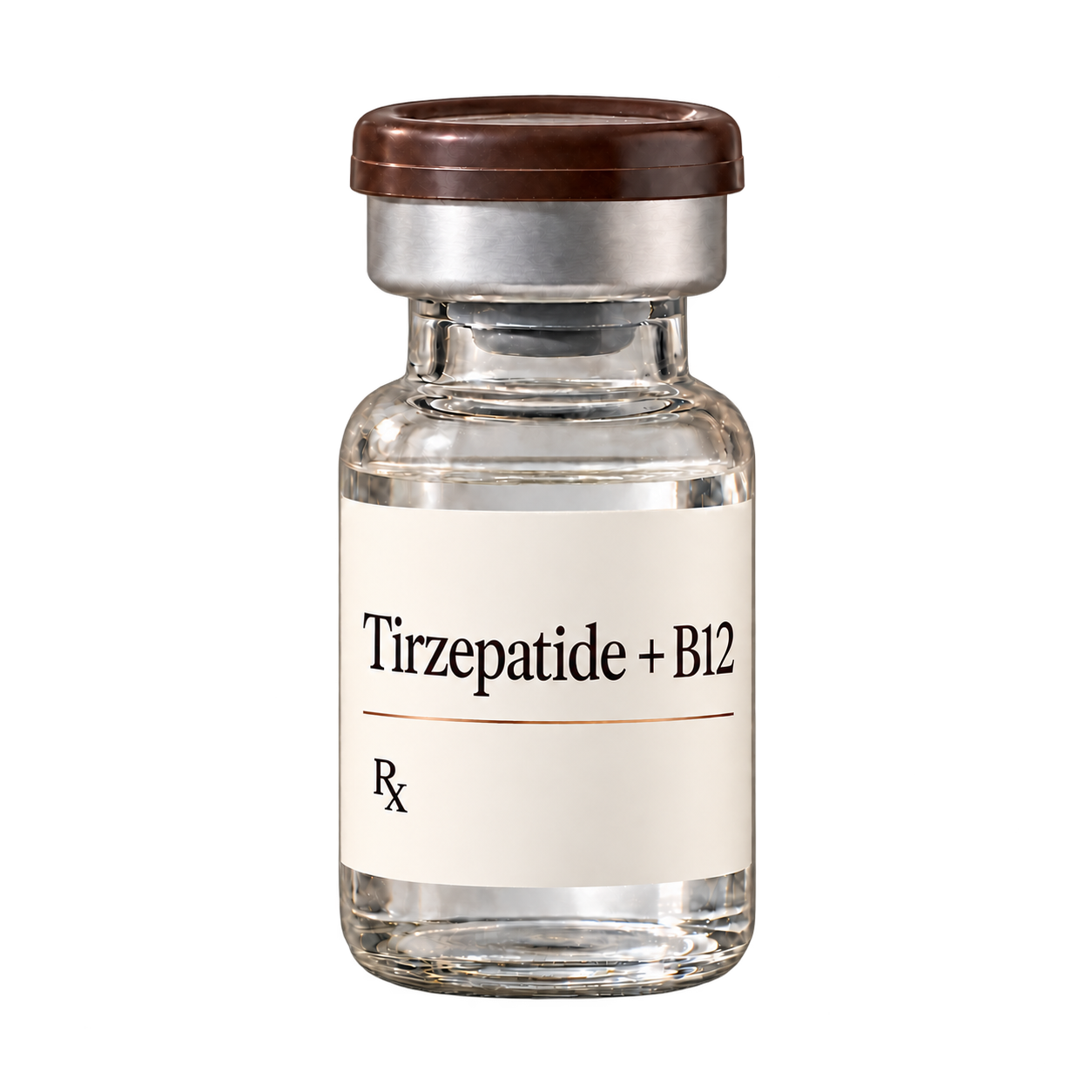
Yes. Constipation is a reported side effect with tirzepatide, the active ingredient in Mounjaro. It is often most noticeable when you start treatment or after a dose increase, and it may improve as your body adjusts. This page explains why constipation can happen on Mounjaro, what may help you stay comfortable, and which symptoms should prompt medical care. Vitals Vault also includes lab options you can share with a clinician if constipation is part of a bigger change.
- Yes, does mounjaro cause constipation is a known side effect of tirzepatide.
- Constipation is often linked to slower stomach and gut movement on GLP-1 medicines.
- Hydration, gradual fiber, and movement may help, and a clinician can suggest safe options.
- Seek urgent care for severe belly pain, repeated vomiting, or dehydration signs.
Does Mounjaro cause constipation?
Why it happens
Tirzepatide works on gut hormone pathways that can slow stomach emptying. Slower movement through the digestive tract can lead to harder stools and less frequent bowel movements. This same effect can also contribute to early fullness and nausea.
What it can feel like
Constipation can mean fewer bowel movements than usual, hard or dry stools, straining, or a feeling of incomplete emptying. Some people also notice bloating or crampy abdominal discomfort. Severe or worsening pain is not typical and needs medical attention.
When it tends to show up
Gastrointestinal side effects with GLP-1 based medicines are often more noticeable early in treatment or after dose increases. If constipation starts suddenly after you have been stable for a while, dehydration, diet changes, or other medications may be contributing.
Constipation details, what may help, and what to avoid
Constipation
Constipation is listed among adverse reactions reported with tirzepatide. It may be mild or bothersome and can contribute to abdominal discomfort. If you cannot keep fluids down or you have severe abdominal pain, contact a clinician urgently.
Dehydration and kidney problems
If nausea, vomiting, diarrhea, or reduced intake leads to dehydration, constipation can worsen. The tirzepatide label warns that severe gastrointestinal reactions can cause dehydration and may worsen kidney function, including acute kidney injury. Seek prompt care for very dark urine, dizziness, or low urine output.
Pancreatitis warning symptoms
Severe, persistent abdominal pain, sometimes radiating to the back, with or without vomiting, can be a warning sign of pancreatitis. The tirzepatide label advises stopping the medication and seeking medical evaluation if pancreatitis is suspected. Do not ignore severe or worsening pain.
Gallbladder disease symptoms
Gallbladder problems have been reported with GLP-1 based therapies, including tirzepatide. Symptoms can include upper abdominal pain, fever, jaundice, or clay-colored stools. If constipation comes with these symptoms, seek medical evaluation.
Thyroid C-cell tumor boxed warning
Tirzepatide has a boxed warning about thyroid C-cell tumors based on animal studies and is contraindicated with a personal or family history of medullary thyroid carcinoma or MEN 2. This is not specific to constipation, but it is important for overall safety decisions.
| Approach | Why it may help | Notes for safety |
|---|---|---|
| Hydration and electrolytes | Dehydration can worsen constipation and increase kidney stress. | If you have kidney or heart disease, ask what fluid goals are safe. |
| Gradual fiber increase | Fiber can improve stool bulk and regularity over time. | Increase slowly to reduce gas and bloating; pair with fluids. |
| Regular movement | Activity can support normal bowel motility. | Choose what is safe for your symptoms and fitness level. |
| Review other constipating meds | Some medicines and supplements can worsen constipation. | Examples include opioid pain medicines and some iron products. |
| Ask about short-term laxative options | Some people need temporary help while adjusting to treatment. | A clinician can advise what fits your history and medication list. |
When to talk to a clinician about constipation on Mounjaro
No bowel movement for days
If you have not had a bowel movement for several days, or you are straining with hard stools despite hydration and diet changes, contact a clinician. They can assess dehydration, medication effects, and other causes that may need treatment.
Severe or persistent belly pain
Severe abdominal pain that does not improve, especially with vomiting, needs prompt evaluation. The tirzepatide label highlights pancreatitis warning symptoms that require immediate medical attention.
Vomiting or cannot keep fluids down
Ongoing vomiting increases dehydration risk and can worsen constipation. The label warns about kidney problems in the setting of severe gastrointestinal reactions. A clinician can advise whether you need evaluation, labs, or supportive care.
Blood in stool or black stools
Blood in the stool or black, tarry stools are not typical constipation symptoms to ignore. These findings need medical evaluation to rule out bleeding or other gastrointestinal disease.
Kidney disease or fluid-balance meds
If you have kidney disease or take medicines that affect fluid balance, constipation plus reduced intake can become risky faster. A clinician can help you choose safer supportive steps and decide whether labs are appropriate.
Pro tips for managing constipation while staying safe
Track a simple pattern
Note stool frequency, pain, and vomiting so you can describe the trend clearly.
Change one thing at a time
Gradual diet changes make it easier to tell what helps without worsening nausea.
Plan around dose changes
Constipation can flare after increases, so ask about prevention strategies early.
Review supplements too
Iron and some calcium products can worsen constipation for some people.
Watch dehydration signs
Very dark urine, dizziness, or low urine output can signal dehydration.
Frequently Asked Questions
Does mounjaro cause constipation for most people?
Constipation is a known side effect reported with tirzepatide, but not everyone gets it. Your risk can be affected by hydration, diet, activity, other medications, and whether you are early in treatment or after a dose increase. Discuss persistent symptoms with a clinician.
How long does constipation last on Mounjaro?
Gastrointestinal side effects with GLP-1 based medicines often happen early and may improve as your body adjusts, but the pattern varies by person. If constipation is severe, lasts several days, or keeps returning, a clinician can help evaluate causes and safe options.
Can constipation on Mounjaro be a sign of something serious?
It can be, especially if it comes with severe or persistent abdominal pain, repeated vomiting, or signs of dehydration. The tirzepatide label warns about pancreatitis and kidney problems in the setting of severe gastrointestinal reactions. Seek prompt medical evaluation for red-flag symptoms.
What should I do if I cannot poop and I am vomiting on Mounjaro?
Vomiting plus constipation can raise dehydration risk and may signal a complication that needs urgent evaluation. The tirzepatide label advises medical attention for severe gastrointestinal symptoms and for symptoms suggestive of pancreatitis. Contact urgent care or emergency services if symptoms are severe.
Can Vitals Vault labs diagnose why I am constipated on Mounjaro?
Labs cannot diagnose constipation by themselves, but they can help check for issues that may contribute, such as dehydration related electrolyte changes or kidney stress. You can share results with a clinician to interpret in context. Sudden or severe symptoms need urgent care, not a lab order.