
Zepbound headache: what it means and what helps
A Zepbound headache can happen, often from dehydration or low intake. Learn common triggers, safe relief steps, and when to seek care.
Key facts
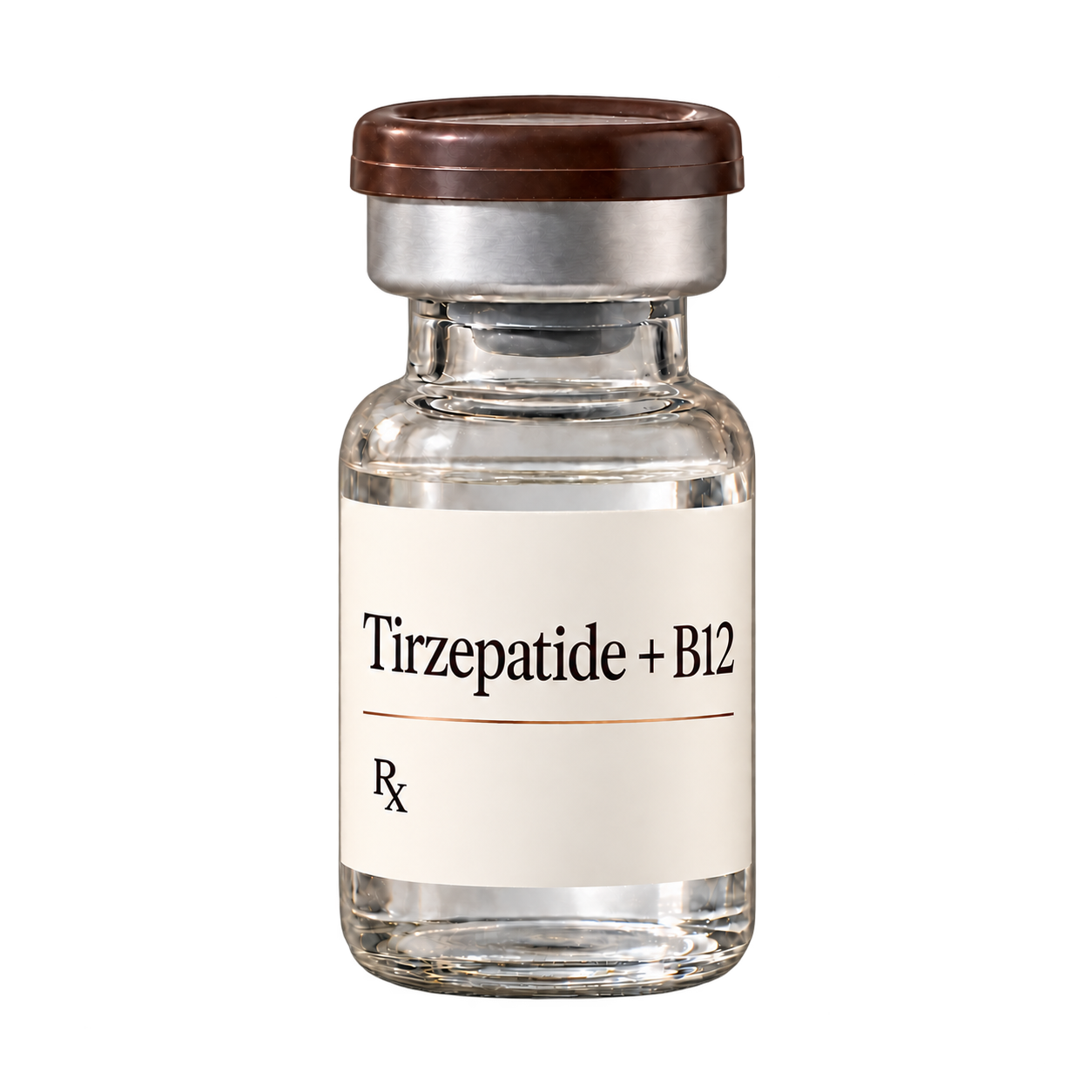
- Tirzepatide + B12 is $169/month (billed $169 every 4 weeks), charged only after a clinician approves it.
- Answer a few health questions online. A licensed clinician reviews them. If approved, it ships to your door.
- Adults 18 or older. A licensed clinician reviews your health history and decides whether treatment is appropriate for you. Availability depends on the state you live in.


Headaches are a common reason people look up tirzepatide side effects, including “mounjaro headache” and “zepbound headache.” A headache can be related to treatment, but it can also come from dehydration, not eating enough, caffeine changes, illness, or other medications. This page explains what the labeling and clinical guidance suggest to consider, what you can track before you message your clinician, and which headache symptoms should not wait. If you are ordering labs through Vitals Vault, you can share results with a clinician to help interpret what might be contributing.
- A Zepbound headache can happen, but it is not always caused by the medication.
- Dehydration, low food intake, and low blood sugar can contribute to headaches during GLP-1 treatment.
- Seek urgent care for sudden severe headache, neurologic symptoms, or headache with chest pain or fainting.
- If headaches are persistent, your clinician may review hydration, nutrition, and other medicines.
Can Zepbound cause headaches?
Why headaches can happen on tirzepatide
Dehydration
Tirzepatide commonly causes gastrointestinal side effects such as nausea, vomiting, and diarrhea, which can reduce fluid intake or increase fluid loss. Dehydration is a frequent, non-medication specific headache trigger. If you are also limiting fluids to avoid nausea, that can add to the risk.
Eating much less
Appetite reduction is expected with GLP-1 and GIP based therapy, and some people unintentionally eat too little. Skipping meals or very low intake can trigger headaches, especially if you are also reducing caffeine or changing your usual routine. Tracking meal timing can help your clinician spot a pattern.
Low blood sugar
Tirzepatide can increase the risk of hypoglycemia when used with insulin or insulin secretagogues (such as sulfonylureas), per FDA labeling. Low blood sugar can feel like a headache along with shakiness, sweating, fast heartbeat, confusion, or weakness. This is more urgent if you have diabetes or take glucose lowering medications.
Kidney stress from fluid loss
The tirzepatide label warns about acute kidney injury, sometimes in the setting of nausea, vomiting, diarrhea, or dehydration. A headache with significant dehydration symptoms, very low urine output, or severe ongoing vomiting or diarrhea should prompt same day clinical advice.
Other common causes
Headaches are often unrelated to tirzepatide itself. Viral illness, sinus symptoms, sleep disruption, alcohol, new supplements, and medication overuse (frequent pain reliever use) can all contribute. If the timing does not match your injections or diet changes, consider these possibilities too.
| What to note | Why it matters |
|---|---|
| When the headache started and how long it lasts | Helps distinguish a one off trigger from a recurring pattern. |
| Fluids, vomiting or diarrhea, and urine output | Dehydration can drive headaches and can raise kidney risk. |
| Meals and caffeine changes | Low intake or caffeine withdrawal can trigger headaches. |
| Any diabetes meds and glucose readings if you check them | Hypoglycemia risk is higher with insulin or sulfonylureas. |
| Other new medicines or supplements | Some combinations can worsen nausea, dehydration, or headaches. |
When to talk to a clinician
Get urgent care now
Seek emergency evaluation for a sudden, severe “worst headache,” a headache with weakness, numbness, trouble speaking, confusion, fainting, seizure, stiff neck with fever, new vision loss, or head injury. Also get urgent care for headache with chest pain or shortness of breath.
Call the same day
Contact a clinician the same day if headache comes with repeated vomiting or diarrhea, signs of dehydration (very low urine, dizziness on standing), or symptoms that could be low blood sugar such as sweating, shakiness, fast heartbeat, or confusion, especially if you use insulin or a sulfonylurea.
Message within a few days
Reach out if headaches are persistent, keep returning after injections, or are interfering with sleep or daily function. Your clinician may review hydration and nutrition, other medications, and whether another cause needs evaluation.
Practical tips that often help
Hydrate steadily
Small, frequent sips can be easier if nausea is present.
Do not skip meals
Aim for regular meals and protein to avoid headache triggers.
Watch caffeine changes
Cutting back suddenly can cause withdrawal headaches.
Review other meds
Tell your clinician about new pain relievers, supplements, or diuretics.
Check glucose if relevant
If you have diabetes, ask when to check for possible low blood sugar.
Frequently Asked Questions
Can tirzepatide cause headaches?
Yes. Headache is listed among adverse reactions reported with tirzepatide in FDA prescribing information. Headaches can also be triggered by dehydration, reduced food intake, or low blood sugar, so it helps to look for patterns and associated symptoms.
Does Mounjaro cause headaches?
Mounjaro and Zepbound contain tirzepatide, and headache is reported with tirzepatide in FDA labeling. Not every headache during treatment is caused by the medication, so consider hydration, meals, caffeine changes, and other medicines.
Is a Zepbound headache a common side effect?
Headache is reported with tirzepatide in FDA prescribing information, but it is not the only explanation for headaches during treatment. Many people notice headaches when nausea leads to lower fluid intake or when they eat less than usual.
What helps a headache while taking tirzepatide?
Start by checking common triggers like dehydration, skipped meals, and sudden caffeine reduction. If you have diabetes or take insulin or a sulfonylurea, consider whether symptoms could be low blood sugar and contact your clinician for guidance.
When is a headache on tirzepatide an emergency?
Seek urgent care for sudden severe headache, new neurologic symptoms (weakness, confusion, trouble speaking), fainting, seizure, or vision loss. Also get urgent evaluation if headache occurs with chest pain, shortness of breath, or severe dehydration from ongoing vomiting or diarrhea.