
Mounjaro constipation: what to do and when to worry
Mounjaro constipation can happen and often improves. Hydration, gradual fiber, and movement may help. Seek care for severe pain, vomiting, or no stool.
Key facts
- Tirzepatide + B12 is $169/month (billed $169 every 4 weeks), charged only after a clinician approves it.
- Answer a few health questions online. A licensed clinician reviews them. If approved, it ships to your door.
- Adults 18 or older. A licensed clinician reviews your health history and decides whether treatment is appropriate for you. Availability depends on the state you live in.





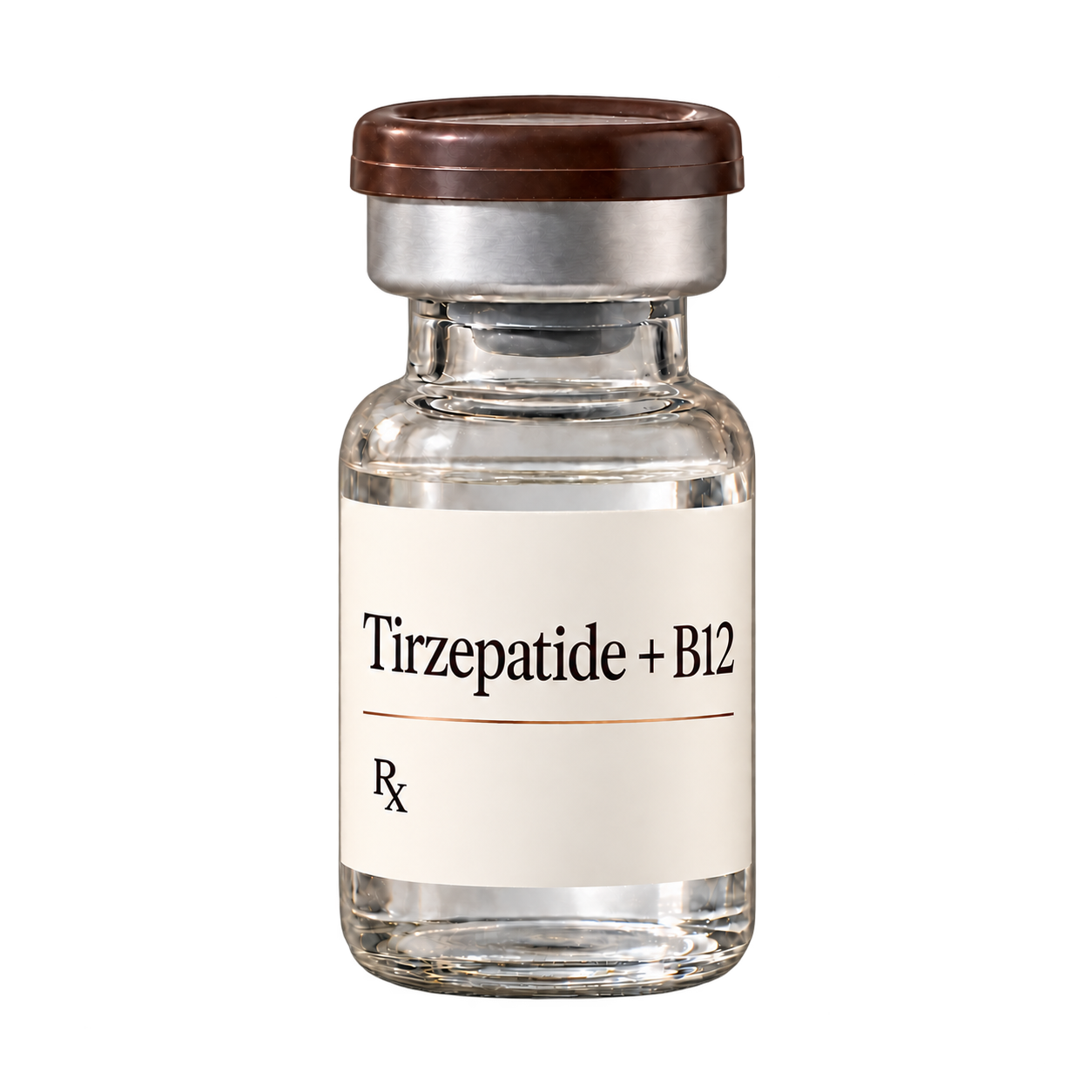
Constipation is a reported gastrointestinal side effect with tirzepatide (Mounjaro). For many people it is mild, shows up early in treatment or after dose increases, and improves with practical steps like hydration, gradual fiber, and movement. This guide explains what may be driving mounjaro constipation, what tends to help, and which symptoms mean you should contact a clinician urgently. If you want to check for dehydration or kidney stress while you are symptomatic, Vitals Vault can help you start with labs and share results with a clinician.
- Mounjaro constipation can happen and is listed with tirzepatide gastrointestinal side effects.
- Slower stomach emptying and eating or drinking less can make stools harder and less frequent.
- Hydration, gradual fiber, and gentle activity often help constipation symptoms.
- Seek urgent care for severe belly pain, repeated vomiting, or no gas or stool.
Can Mounjaro cause constipation?
Why it happens and what can help
Slower gut movement
Tirzepatide slows gastric emptying, which can also slow the pace of digestion. When stool moves more slowly through the colon, more water can be absorbed out of it, making it drier and harder to pass. This is a common mechanism behind GLP-1 related constipation.
Lower food and fluid intake
Many people eat less on GLP-1 medicines because they feel full sooner and have less appetite. If you are also drinking less, constipation can follow. Steady fluid intake can help, especially if nausea is limiting what you can tolerate.
Diet changes and low fiber
If you have shifted toward smaller meals or more protein and fewer fruits, vegetables, and whole grains, your fiber intake may drop. Fiber helps stool hold water and move through the bowel. Increase fiber gradually to avoid worsening bloating.
Less activity
Constipation can worsen when you are less physically active, including during periods of fatigue or reduced calorie intake. Gentle movement can support bowel motility. If you have dizziness, weakness, or dehydration symptoms, check in with a clinician before pushing activity.
Over the counter options
Some people use over the counter stool softeners or laxatives for short term relief. Because the best choice depends on your symptoms, other medicines, and kidney function, confirm what is appropriate with your prescribing clinician or pharmacist rather than self-treating repeatedly.
When it may be serious
Severe, persistent abdominal pain, repeated vomiting, or inability to pass gas can point to a more serious gastrointestinal problem. Tirzepatide labeling also warns about acute kidney injury, sometimes in the setting of nausea, vomiting, diarrhea, or dehydration. Do not ignore red flags.
| Approach | What it looks like | Why it may help |
|---|---|---|
| Hydration | Sip fluids regularly, especially if appetite is low | Supports softer stool and lowers dehydration risk |
| Fiber, slowly | Add fruits, vegetables, beans, or fiber gradually | Adds bulk and water holding capacity to stool |
| Movement | Short walks or light activity most days | Can stimulate bowel motility |
| Medication review | Ask about other constipating meds or supplements | Some medicines worsen constipation and may be adjustable |
When to call a clinician or seek urgent care
Seek urgent care now
Get urgent evaluation for severe or worsening abdominal pain, repeated vomiting, a swollen or rigid abdomen, blood in stool, fever with abdominal pain, or inability to pass stool and gas. These can be signs of bowel obstruction or another serious condition that needs immediate care.
Call your prescriber soon
Contact your clinician if constipation is persistent, very uncomfortable, or keeps coming back after each dose change. Also call if you have signs of dehydration such as dizziness, very dark urine, or you cannot keep fluids down, because kidney problems have been reported with severe GI reactions.
Ask about your other risks
If you have kidney disease, take diuretics, have a history of severe gastrointestinal disease, or use other constipating medicines, ask your clinician how to monitor symptoms and when to check labs. Your plan may need extra monitoring during GI side effects.
Pro tips for constipation on GLP-1s
Increase fiber gradually
A sudden fiber jump can worsen gas and bloating.
Separate nausea from constipation
If nausea limits fluids, constipation often worsens.
Track patterns
Note timing around dose changes and diet shifts.
Review other meds
Iron, opioids, and some antihistamines can constipate.
Do not wait on red flags
Severe pain, vomiting, or no gas or stool needs prompt care.
Frequently Asked Questions
Is mounjaro constipation common?
Constipation is listed among the gastrointestinal side effects reported with tirzepatide (Mounjaro). Many people can manage it with hydration, fiber, and activity, but contact a clinician if it is severe, persistent, or paired with red-flag symptoms.
How long does constipation last on Mounjaro?
For some people, constipation is most noticeable early in treatment or after dose increases and then improves as the body adjusts. If it keeps worsening, lasts despite basic measures, or comes with severe pain or vomiting, contact your prescriber promptly.
What can I take for constipation while on Mounjaro?
Some over the counter options may help, but the safest choice depends on your symptoms, other medications, and kidney function. Ask your prescribing clinician or pharmacist what is appropriate for you, especially if you have vomiting, dehydration, or kidney disease.
When is constipation on Mounjaro an emergency?
Seek urgent care for severe or worsening abdominal pain, repeated vomiting, a swollen or rigid abdomen, blood in stool, fever with abdominal pain, or inability to pass stool and gas. These can signal a serious gastrointestinal problem that needs immediate evaluation.
Can dehydration from GI side effects affect my kidneys on tirzepatide?
Yes. Tirzepatide labeling warns about acute kidney injury, sometimes in people who have nausea, vomiting, diarrhea, or dehydration. If you cannot keep fluids down, feel dizzy, or have very dark urine, contact a clinician promptly.