
Microdosing semaglutide: what it means
Microdosing semaglutide is not an FDA label strategy. See what semaglutide labels say about titration, missed doses, and key safety points.
Key facts
- Semaglutide + B12 is $157/month (billed $157 every 4 weeks), charged only after a clinician approves it.
- Answer a few health questions online. A licensed clinician reviews them. If approved, it ships to your door.
- Adults 18 or older. A licensed clinician reviews your health history and decides whether treatment is appropriate for you. Availability depends on the state you live in.





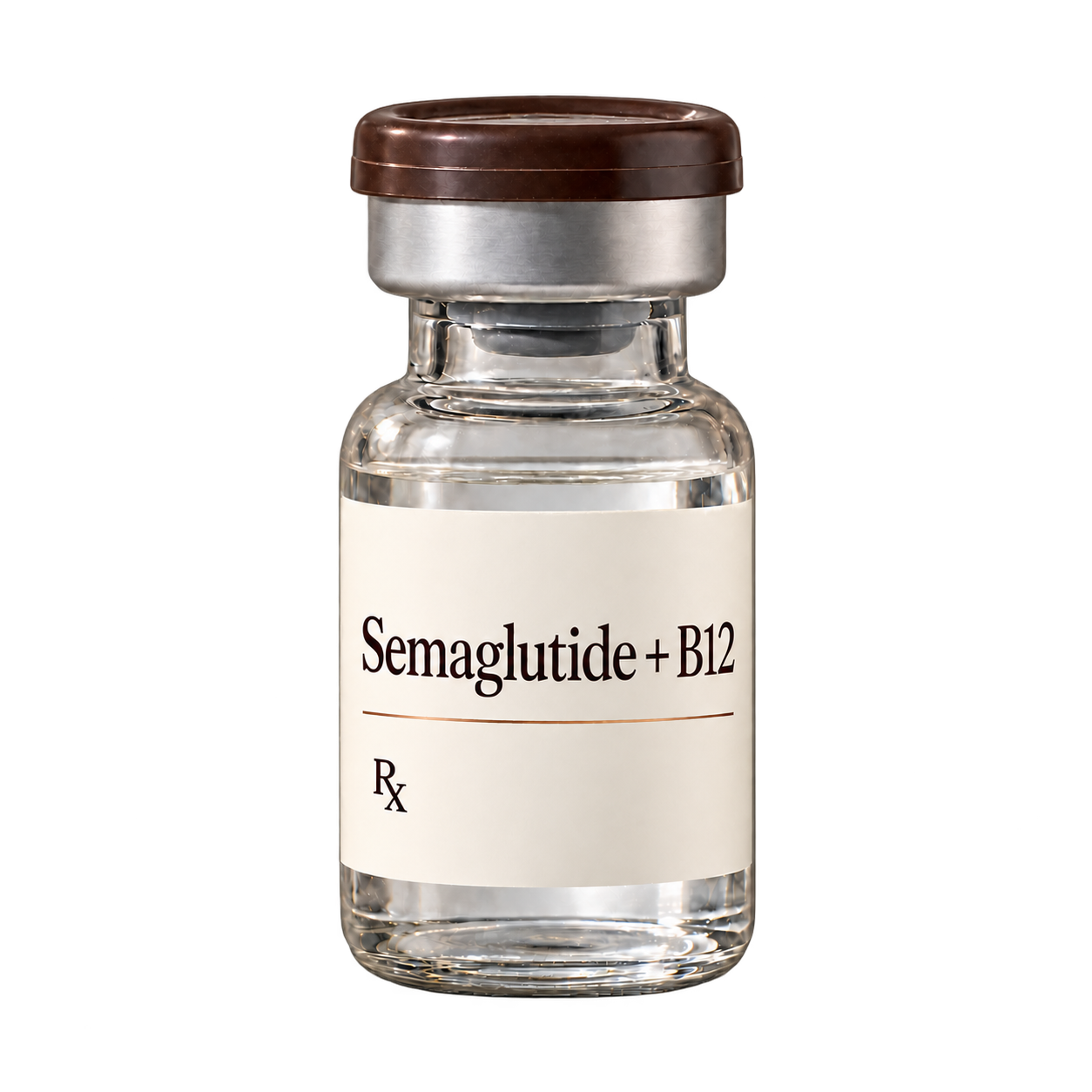
People use the phrase microdosing semaglutide to mean taking very small doses, often below the FDA labeled starting dose for brand semaglutide products. There is no single medical definition, and many online charts mix brand-pen instructions with compounded-vial directions. This guide summarizes what semaglutide FDA labels say about titration, missed doses, and key safety warnings, and what questions to bring to your prescriber. If you want help organizing those questions around your own history, Vitals Vault includes PocketMD.
- Microdosing semaglutide usually means doses below FDA labeled starting schedules.
- Semaglutide labels use gradual titration to improve tolerability, not extra-low dosing.
- Nonstandard dosing can increase dosing errors, especially with compounded semaglutide.
- Talk to your prescriber before changing dose, timing, or missed-dose plans.
What microdosing semaglutide means
Not an FDA label term
FDA prescribing information for semaglutide products describes specific starting doses and stepwise increases. It does not describe microdosing or recommend routinely starting below the labeled schedule.
Often driven by side effects
Many people ask about microdosing because nausea, vomiting, diarrhea, constipation, abdominal pain, or reduced appetite can be difficult early on. The labels address tolerability by using gradual dose escalation and by giving product-specific guidance for missed doses.
Compounded products add complexity
Compounded semaglutide is prepared by a licensed pharmacy for an individual prescription and is not FDA-approved. Because compounded products may be dispensed in different concentrations and containers than brand pens, online charts can increase confusion and dosing errors.
What the label does and does not support
Titration is gradual by design
For weight management (Wegovy) and type 2 diabetes (Ozempic), the FDA labels use stepwise dose increases over time. This approach is intended to improve tolerability and reduce gastrointestinal side effects while working toward a maintenance dose.
Charts below the start are off-label
If a microdosing semaglutide chart starts below the labeled starting dose, it is not from FDA labeling. If your prescriber chooses a nonstandard approach, it should be individualized and monitored rather than copied from a generic chart.
Missed-dose rules are product-specific
Semaglutide labels include instructions for what to do if you miss a dose and when to skip and resume on the next scheduled day. These instructions differ by product and indication, so it matters which semaglutide product you are using.
Common side effects to expect
Common side effects listed in semaglutide labeling include nausea, vomiting, diarrhea, constipation, abdominal pain, and decreased appetite. If symptoms are persistent, limit fluids, or feel severe, contact your prescriber promptly.
Serious risks to recognize early
Semaglutide labeling includes a boxed warning about thyroid C-cell tumors and warnings about pancreatitis, gallbladder disease, acute kidney injury (often with dehydration), and serious allergic reactions. Get urgent evaluation for severe, persistent abdominal pain or signs of a severe allergic reaction.
Low blood sugar risk depends on other meds
Semaglutide alone has a lower risk of hypoglycemia, but the risk increases when used with insulin or insulin secretagogues such as sulfonylureas. If you use diabetes medications, your prescriber may need to adjust the overall regimen and monitoring plan.
| What the chart shows | Why it can be a problem | Safer way to use it |
|---|---|---|
| A schedule below labeled starting doses | Not supported by FDA labeling and may complicate titration | Ask your prescriber what schedule to follow and why |
| Units that do not match your device | Brand pens deliver fixed doses; compounded products vary by concentration | Confirm the exact product and instructions from prescriber and pharmacy |
| A one-size-fits-all plan | Risks and tolerability vary with conditions and medications | Review your medication list and side effects with a clinician |
When to talk to your prescriber
Before any dose change
If you are considering microdosing semaglutide, talk with your prescriber before making changes. Dose changes can affect side effects, effectiveness, and safety monitoring, and the right plan depends on your medical history and other medications.
Persistent GI symptoms
Contact your prescriber if nausea, vomiting, diarrhea, constipation, or abdominal pain is not improving, is limiting fluids, or is causing dizziness or weakness. Dehydration can increase kidney risk, and ongoing symptoms may require a change in the plan.
Possible pancreatitis symptoms
Get urgent evaluation for severe, persistent abdominal pain that may radiate to the back, with or without vomiting. Semaglutide labeling warns about acute pancreatitis and advises discontinuation if pancreatitis is suspected.
Possible gallbladder symptoms
Seek care for right upper abdominal pain, fever, or yellowing of the skin or eyes. Semaglutide labeling warns about acute gallbladder disease, including gallstones.
Allergic reaction signs
Get emergency care for trouble breathing, swelling of the face, lips, tongue, or throat, or widespread rash. Serious hypersensitivity reactions are listed in semaglutide labeling.
Practical tips for safer conversations
Bring the product details
Write down the exact name and whether it is compounded or a brand pen.
List all medications
Include insulin or sulfonylureas, since they change hypoglycemia risk.
Track symptoms by day
Note timing after dosing, hydration, and what you ate, then share it.
Confirm missed-dose rules
Ask which label instructions apply to your specific semaglutide product.
Use one instruction source
Follow your prescriber and pharmacy directions, not multiple online charts.
Frequently Asked Questions
What is microdosing semaglutide?
Microdosing semaglutide is a nonstandard term that usually means taking doses below the FDA labeled starting schedule. It is not described as a dosing strategy in semaglutide prescribing information, so discuss any change with your prescriber.
Is there a microdosing semaglutide chart you can follow?
There is no FDA labeled microdosing semaglutide chart. Many online charts do not match the product you were prescribed, especially with compounded semaglutide, which can vary in concentration and packaging. Use your prescriber and pharmacy instructions as the source of truth.
Does the semaglutide label allow slower titration for side effects?
Semaglutide labels use gradual dose escalation to improve tolerability and include product-specific missed-dose instructions. If side effects are limiting, your prescriber can decide whether to pause, slow, or adjust the plan based on labeling and your response.
What side effects are most common when starting semaglutide?
The most common side effects listed in semaglutide labeling are gastrointestinal, including nausea, vomiting, diarrhea, constipation, abdominal pain, and decreased appetite. If symptoms are persistent, limit fluids, or feel severe, contact your prescriber promptly.
Is compounded semaglutide the same as brand semaglutide?
No. Compounded semaglutide is prepared by a licensed pharmacy for an individual prescription and is not FDA-approved, while brand products have FDA-approved labeling and device instructions. If you are prescribed a compounded product, follow the prescriber and dispensing pharmacy directions.