
Semaglutide: what it is and how to get it
Semaglutide is a GLP-1 medicine that can help with weight management in some people. Learn how it works, the safety risks, and how access works.
Key facts
- Semaglutide + B12 is $157/month (billed $157 every 4 weeks), charged only after a clinician approves it.
- Answer a few health questions online. A licensed clinician reviews them. If approved, it ships to your door.
- Adults 18 or older. A licensed clinician reviews your health history and decides whether treatment is appropriate for you. Availability depends on the state you live in.
- A $20 clinician review, refunded if you don’t qualify.





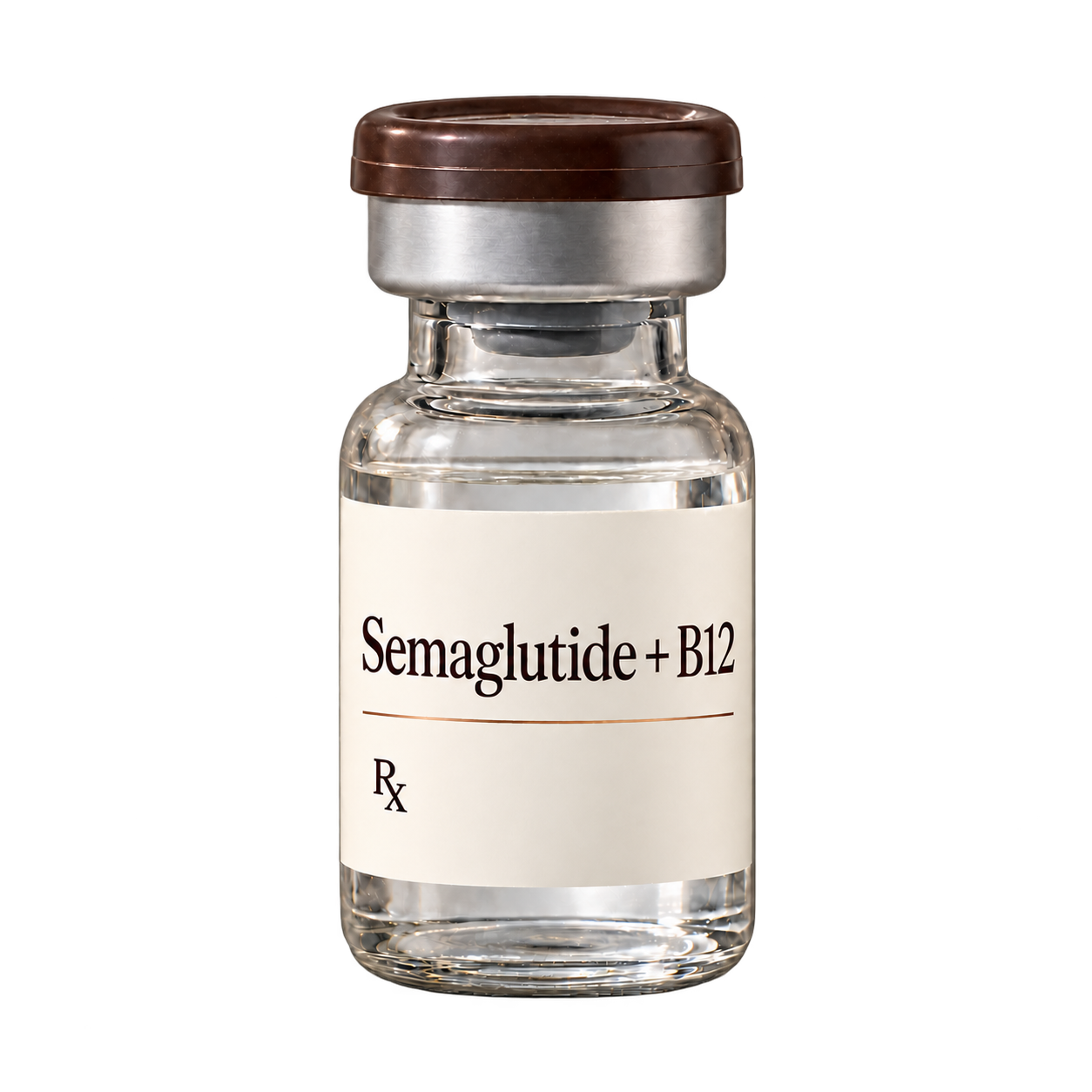
Semaglutide is a prescription medicine in a drug class called GLP-1 receptor agonists. Some FDA-approved semaglutide products are used for type 2 diabetes, and others are used for chronic weight management. This page explains what semaglutide is, how it works, key safety warnings, and what access typically looks like. If you are considering compounded semaglutide, Vitals Vault can help you understand the process and what to discuss with a licensed clinician before starting.
- Semaglutide is a GLP-1 medicine used for weight management or diabetes, depending on the product.
- Compounded semaglutide is not FDA-approved and is made for an individual prescription.
- Common side effects are nausea, vomiting, diarrhea, constipation, and stomach pain.
- Serious risks include thyroid C-cell tumor warning, pancreatitis, gallbladder disease, kidney injury, and severe allergic reactions.
- Access usually involves a clinician visit, screening labs, and ongoing follow-up for safety and tolerability.
What semaglutide is
A GLP-1 receptor agonist
Semaglutide is a medication that acts like GLP-1, a hormone involved in blood sugar control and appetite regulation. It is available in FDA-approved products and may also be prepared as a compounded medication for an individual prescription. Different products have different approved uses and dosing schedules.
Different uses by product
FDA-approved semaglutide products include versions indicated for type 2 diabetes and a version indicated for chronic weight management. The exact indication matters because it affects eligibility, dosing, and insurance coverage. A clinician can help match the right option to your health goals and medical history.
Compounded semaglutide
Compounded semaglutide is prepared by a licensed pharmacy for an individual prescription and is not FDA-approved. Compounded products can differ in concentration, ingredients, and instructions compared with FDA-approved products. Your prescriber and dispensing pharmacy should provide product-specific guidance.
- Drug class
- GLP-1 receptor agonist (incretin mimetic)
- Common routes (FDA-approved products)
- Subcutaneous injection (Ozempic, Wegovy); oral tablets (Rybelsus)
- Compounded status
- Not FDA-approved; prepared for an individual prescription
How semaglutide works
Helps regulate appetite
GLP-1 receptor agonists act on brain pathways involved in hunger and fullness. Many people feel full sooner and have less appetite, which can support reduced calorie intake. How strong this effect feels varies from person to person.
Improves blood sugar control
Semaglutide increases insulin release when blood sugar is high and reduces glucagon, a hormone that raises blood sugar. This is one reason semaglutide is used in type 2 diabetes care. If you also use insulin or a sulfonylurea, your clinician may watch for low blood sugar risk.
Slows stomach emptying
Semaglutide can slow how quickly food leaves your stomach, especially early in treatment. This can contribute to feeling full, but it can also contribute to nausea and other gastrointestinal side effects. Tell your clinician if you have severe or persistent symptoms.
Who semaglutide may be for
Chronic weight management
An FDA-approved semaglutide product is indicated for chronic weight management in adults with obesity or overweight with at least one weight-related condition, alongside a reduced-calorie diet and increased physical activity. A clinician will consider your BMI, health conditions, and prior weight-loss efforts. If you are pursuing a compounded option, eligibility and monitoring should still follow medical best practices.
Type 2 diabetes management
FDA-approved semaglutide products are also indicated to improve blood sugar control in adults with type 2 diabetes, along with diet and exercise. Your clinician may consider it based on your A1C, other medications, kidney function, and cardiovascular risk. It is not indicated for type 1 diabetes.
People who can follow up
Semaglutide works best when you can do regular follow-ups for side effects, dose adjustments, and monitoring. If you have frequent nausea, dehydration risk, or complex medication interactions, you may need closer supervision. Plan on ongoing check-ins rather than a one-time prescription.
Who should not take semaglutide
Personal or family MTC
FDA-approved semaglutide products carry a boxed warning about thyroid C-cell tumors and should not be used if you have a personal or family history of medullary thyroid carcinoma (MTC). They also should not be used if you have Multiple Endocrine Neoplasia syndrome type 2 (MEN 2). Ask your clinician what symptoms to watch for and whether semaglutide is appropriate for you.
Prior serious allergy
Do not use semaglutide if you have had a serious hypersensitivity reaction to semaglutide or any component of the product. Allergic reactions can include swelling of the face, lips, tongue, or throat, and trouble breathing. Seek urgent care for symptoms of anaphylaxis.
Pregnancy considerations
Semaglutide is not recommended during pregnancy for weight management, and product labeling provides pregnancy-related guidance. If you are pregnant, planning pregnancy, or breastfeeding, discuss risks, benefits, and alternatives with your clinician. Do not make medication changes without medical advice.
History of pancreatitis
Semaglutide labeling warns about acute pancreatitis. If you have had pancreatitis before, your clinician may recommend a different option or closer monitoring. Seek urgent evaluation for severe abdominal pain that may radiate to the back, with or without vomiting.
What to expect with semaglutide
A gradual dose increase
Many semaglutide regimens use a gradual dose escalation to improve tolerability, especially for nausea and other stomach-related side effects. The exact schedule depends on the specific product and your clinician's plan. Do not rely on online dose charts for personal dosing decisions.
Lifestyle still matters
For weight management indications, FDA labeling describes use alongside reduced-calorie diet and increased physical activity. For diabetes, it is used with diet and exercise to improve glycemic control. A clinician can help you set realistic, safe expectations and monitoring goals.
Monitoring and follow-up
Follow-up is important to review side effects, hydration, kidney risk factors, and any symptoms that could signal gallbladder or pancreas problems. If you take other glucose-lowering medications, your clinician may monitor for low blood sugar. Report severe or persistent symptoms promptly.
Injection and administration
FDA-approved injectable semaglutide products are administered by subcutaneous injection, and the manufacturer Instructions for Use explain how to use the pen. If you are prescribed compounded semaglutide, your prescribing clinician and dispensing pharmacy provide the specific administration instructions for that product.
Semaglutide side effects and warnings
Nausea and vomiting
Nausea and vomiting are among the most common side effects reported with FDA-approved semaglutide products. They are often more noticeable when starting or increasing the dose. Contact your clinician if vomiting is persistent or you cannot keep fluids down.
Diarrhea or constipation
Diarrhea and constipation are common with semaglutide and may alternate. Staying hydrated and adjusting food choices can help, but severe diarrhea can lead to dehydration. Tell your clinician if symptoms are severe, persistent, or accompanied by dizziness or reduced urination.
Stomach pain and indigestion
Abdominal pain, indigestion, and decreased appetite can occur with semaglutide. Mild symptoms may improve over time, but severe or persistent abdominal pain needs medical evaluation. Severe pain with vomiting can be a warning sign for pancreatitis.
Thyroid C-cell tumor warning
FDA-approved semaglutide products carry a boxed warning about risk of thyroid C-cell tumors seen in rodents, and it is unknown whether this risk applies to humans. Do not use if you have a personal or family history of medullary thyroid carcinoma (MTC) or MEN 2. Call your clinician for a neck lump, hoarseness, trouble swallowing, or shortness of breath.
Pancreatitis
Acute pancreatitis has been reported with GLP-1 receptor agonists, including semaglutide. Seek urgent evaluation for severe and persistent abdominal pain that may radiate to the back, with or without vomiting. If pancreatitis is suspected, a clinician will decide next steps.
Gallbladder problems
Gallbladder disease, including gallstones, has been reported with semaglutide. Contact a clinician for right upper abdominal pain, fever, yellowing of the skin or eyes, or clay-colored stools. Rapid weight change can also affect gallstone risk, so monitoring matters.
Kidney injury from dehydration
Kidney problems, including acute kidney injury, have been reported, sometimes in the setting of nausea, vomiting, or diarrhea leading to dehydration. If you have kidney disease or take diuretics, discuss your risk with your clinician. Get medical help if you cannot maintain hydration or notice reduced urination.
Low blood sugar with other meds
Semaglutide alone is less likely to cause hypoglycemia, but the risk increases when used with insulin or sulfonylureas. Symptoms can include sweating, shakiness, confusion, or fast heartbeat. A clinician may adjust other diabetes medications and advise monitoring.
Severe allergic reactions
Serious hypersensitivity reactions, including anaphylaxis and angioedema, have been reported. Seek emergency care for swelling of the face, lips, tongue, or throat, or trouble breathing. Do not take another dose until you have been evaluated by a clinician.
Cost and access for semaglutide
What drives cost
Cost depends on whether you use an FDA-approved product or a compounded formulation, the dose and supply, and what services are included (clinician visits, follow-ups, and support). Pharmacy sourcing and state rules can also affect availability. Current prices for the Vitals Vault option are shown on this page in the price block.
Insurance coverage varies
Coverage depends on the specific product and the indication. Some plans cover diabetes indications more readily than weight management indications, and many plans require prior authorization. Your clinician may need to document medical history and prior treatment attempts.
Access and safety checks
Because semaglutide can affect blood sugar, hydration status, and other conditions, many clinicians review recent labs and current medications before prescribing. This helps identify risks such as kidney vulnerability or interactions with other glucose-lowering drugs. Ongoing follow-up is part of safer use.
How to get semaglutide safely
- 1
Start with a clinician evaluation
A licensed clinician reviews your health history, goals, and current medications to see if semaglutide fits.
- 2
Review labs and risk factors
A clinician may ask for recent lab results before prescribing, especially if you have diabetes or kidney risk.
- 3
Confirm the formulation and instructions
Make sure you understand whether you are prescribed an FDA-approved product or compounded semaglutide and how to use it.
- 4
Plan follow-ups for side effects
Schedule check-ins to address nausea, hydration, blood sugar changes, and any warning symptoms early.
Frequently Asked Questions
What is a semaglutide?
Semaglutide is a prescription medicine in the GLP-1 receptor agonist class. FDA-approved semaglutide products are used for type 2 diabetes and for chronic weight management, depending on the product. Compounded semaglutide is not FDA-approved and is made for an individual prescription.
Where can I get semaglutide?
Semaglutide requires a prescription from a licensed clinician. FDA-approved products are dispensed through pharmacies, and compounded semaglutide is prepared by a licensed pharmacy for an individual prescription. Access may depend on your state and your clinician's assessment.
Can I get semaglutide online?
Some telehealth services offer clinician evaluation and, if appropriate, a prescription that is filled by a pharmacy. You should expect a review of your medical history, current medications, and sometimes recent labs. Avoid sources that sell semaglutide without a prescription.
Is there a semaglutide dose chart I can follow?
Dose schedules differ by product and indication, and online charts can be misleading. Your safest reference is the plan set by your prescribing clinician and the instructions that come with your prescribed product. Do not change dosing without medical guidance.
What are the most serious side effects of semaglutide?
FDA-approved semaglutide products carry a boxed warning about thyroid C-cell tumors and should not be used with a personal or family history of MTC or MEN 2. Other serious risks include pancreatitis, gallbladder disease, kidney injury (often related to dehydration), and severe allergic reactions. Seek urgent care for severe symptoms.