
Microdosing ozempic: what it means
Microdosing Ozempic usually means using less than label dosing. Do not self-adjust. Discuss side effects, safety, and options with a clinician.
Key facts
- Semaglutide + B12 is $157/month (billed $157 every 4 weeks), charged only after a clinician approves it.
- Answer a few health questions online. A licensed clinician reviews them. If approved, it ships to your door.
- Adults 18 or older. A licensed clinician reviews your health history and decides whether treatment is appropriate for you. Availability depends on the state you live in.


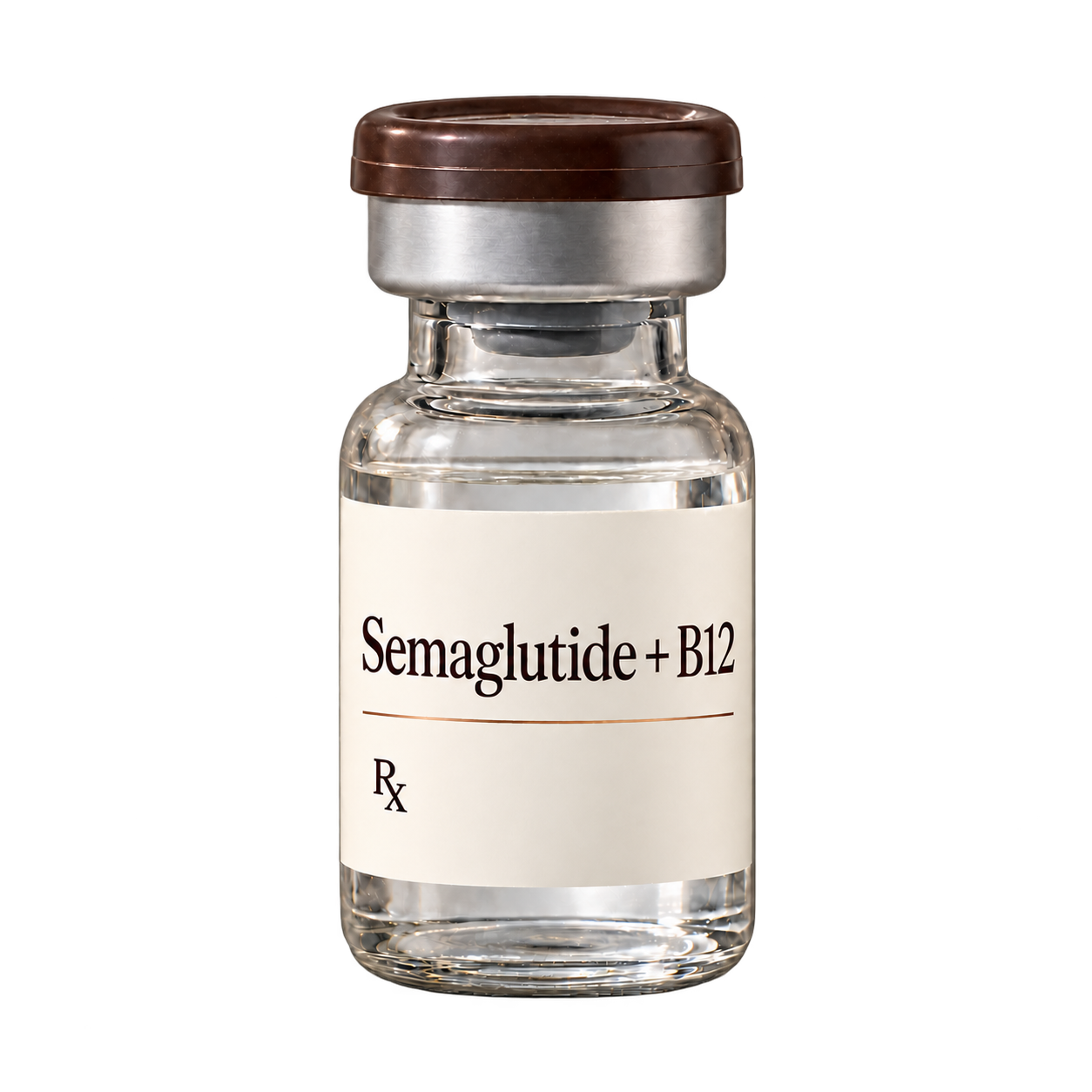
People use the phrase "microdosing ozempic" to describe taking very small doses of semaglutide, often below the FDA-labeled schedule for Ozempic. There is no official medical definition of microdosing in the Ozempic label, and self-adjusting can raise safety and effectiveness questions. Vitals Vault can help you understand what the label says and what to ask your clinician about dosing, side effects, and monitoring, especially if you are using compounded semaglutide rather than the brand product Ozempic.
- Microdosing ozempic usually means taking less than the FDA-labeled dose schedule.
- Do not change your dose on your own; dose changes should be clinician-guided.
- Lower doses can still cause nausea, vomiting, and other GLP-1 side effects.
- Ozempic is semaglutide, but compounded semaglutide is not Ozempic and is not FDA-approved.
What “microdosing” Ozempic means
It is not a label term
Ozempic prescribing information describes specific starting and maintenance doses. "Microdosing" is a social media term, not a labeled dosing strategy, so it can mean different things to different people.
It often reflects tolerability
Some people ask about very small doses because they had nausea, vomiting, constipation, or appetite changes on GLP-1 medicines. The label emphasizes gradual dose increases to reduce gastrointestinal side effects, but it does not recommend going below labeled starting doses without clinician direction.
Compounded is different
If you are using compounded semaglutide, it is not Ozempic and it is not FDA-approved. The dosing and instructions come from the prescribing clinician and dispensing pharmacy, not from the Ozempic label.
What the label says about dosing and why “microdosing” comes up
- What Ozempic is
- Ozempic is a prescription injection containing semaglutide, a GLP-1 receptor agonist.
- How dosing is designed
- The label uses a gradual dose increase (titration) to help reduce gastrointestinal side effects.
- How often it is taken
- Ozempic is administered once weekly on the same day each week, per the label.
- Who decides dose changes
- Dose selection and adjustments are made by the prescribing clinician based on the labeled schedule and individual response.
Labeled titration is the baseline
When people say microdosing, they are usually comparing their dose to the labeled titration schedule. The label describes a starting dose and planned increases over time, with maintenance dosing based on clinical response and tolerability.
Lower dose does not mean no side effects
Even at lower doses, semaglutide can cause gastrointestinal side effects such as nausea, vomiting, diarrhea, constipation, and abdominal pain. If side effects are persistent, severe, or lead to dehydration, that is a reason to contact your clinician promptly.
Some risks are not dose-comfort issues
GLP-1 receptor agonists have warnings and precautions that are not just about nausea, including pancreatitis, gallbladder disease, kidney problems (sometimes related to dehydration), and a boxed warning about thyroid C-cell tumors. A smaller dose does not eliminate these risks.
Hypoglycemia risk depends on other meds
Ozempic can increase the risk of low blood sugar when used with insulin or insulin secretagogues such as sulfonylureas. If you use diabetes medications, dose changes should be coordinated by your clinician to reduce hypoglycemia risk.
Compounded semaglutide needs its own instructions
If you are prescribed semaglutide from a compounding pharmacy, do not assume the Ozempic pen instructions apply. Your prescribing clinician and dispensing pharmacy should provide the specific dosing plan and administration instructions for your formulation.
| Reason it comes up | What it can mean | What to discuss with a clinician |
|---|---|---|
| Nausea or vomiting | You want to slow titration or pause increases | Hydration, diet strategies, anti-nausea options, and whether to adjust timing or dose per label |
| Constipation or diarrhea | You are trying to reduce GI symptoms | Fiber and fluid approach, red flags (severe pain, dehydration), and whether dose changes are appropriate |
| Cost or access concerns | You are stretching doses or using less than prescribed | Safety of nonstandard dosing, treatment goals, and alternatives that fit your situation |
| Using compounded semaglutide | You are not using the Ozempic pen product | Exact formulation, pharmacy instructions, and how your clinician wants you monitored |
When to talk to a clinician about microdosing
Before changing your dose
If you are thinking about taking less than prescribed, talk with the clinician who prescribed it first. They can weigh side effects, benefits, and risks and decide whether a change fits the labeled schedule or your care plan.
If you have severe symptoms
Seek urgent medical care for severe abdominal pain that does not go away (with or without vomiting), signs of an allergic reaction, or symptoms of dehydration such as dizziness or fainting. These can be signs of serious adverse effects described in the prescribing information.
If you have thyroid cancer history
GLP-1 receptor agonists carry a boxed warning about thyroid C-cell tumors and are contraindicated in people with a personal or family history of medullary thyroid carcinoma or with Multiple Endocrine Neoplasia syndrome type 2. Discuss your history before starting or continuing.
If you use insulin or sulfonylureas
If you take insulin or a sulfonylurea, your clinician may need to adjust other diabetes medicines to reduce hypoglycemia risk. Do not try to manage this by lowering your semaglutide dose on your own.
If you are pregnant or planning pregnancy
Discuss semaglutide use with your clinician if you are pregnant, planning pregnancy, or breastfeeding. The label includes guidance about pregnancy exposure and recommends individualized risk-benefit discussion.
Practical tips for safer conversations
Use clear language
Tell your clinician the exact dose and schedule you are actually taking.
Track symptoms
Note nausea, vomiting, constipation, diarrhea, and abdominal pain with timing.
List other meds
Include insulin, sulfonylureas, and any meds that affect appetite or glucose.
Ask about red flags
Ask which symptoms should trigger urgent care versus a routine message.
Confirm product type
Clarify whether you use Ozempic or compounded semaglutide and follow the correct instructions.
Frequently Asked Questions
What is microdosing ozempic?
Microdosing ozempic usually means taking a smaller dose than the FDA-labeled titration schedule for Ozempic. The label does not define microdosing, so it is important to discuss any dose changes with your prescribing clinician.
Is microdosing Ozempic safer or does it prevent side effects?
A lower dose can still cause common GLP-1 side effects like nausea, vomiting, diarrhea, constipation, and abdominal pain. Serious risks described in the label, such as pancreatitis and gallbladder problems, are not guaranteed to be avoided by using a smaller dose.
Can I microdose Ozempic to save money or stretch my prescription?
Changing how you take a prescription to stretch it can affect safety and effectiveness, and it can complicate monitoring. If cost is a concern, talk with your clinician about options and the safest plan rather than adjusting doses on your own.
Is compounded semaglutide the same as Ozempic?
No. Ozempic is a brand product, and compounded semaglutide is a compounded medication prepared by a licensed pharmacy for an individual prescription and is not FDA-approved. If you use compounded semaglutide, follow the instructions from your clinician and dispensing pharmacy.
What symptoms mean I should stop waiting and seek urgent care?
Seek urgent medical care for severe abdominal pain that does not go away (with or without vomiting), signs of an allergic reaction, or symptoms of significant dehydration such as fainting. These can be warning signs of serious adverse effects listed in the prescribing information.