
How long can Zepbound be out of the fridge
How long can Zepbound be out of the fridge? Up to 21 days at room temperature. If it gets too warm or freezes, do not use it.
Key facts
- Tirzepatide + B12 is $169/month (billed $169 every 4 weeks), charged only after a clinician approves it.
- Answer a few health questions online. A licensed clinician reviews them. If approved, it ships to your door.
- Adults 18 or older. A licensed clinician reviews your health history and decides whether treatment is appropriate for you. Availability depends on the state you live in.


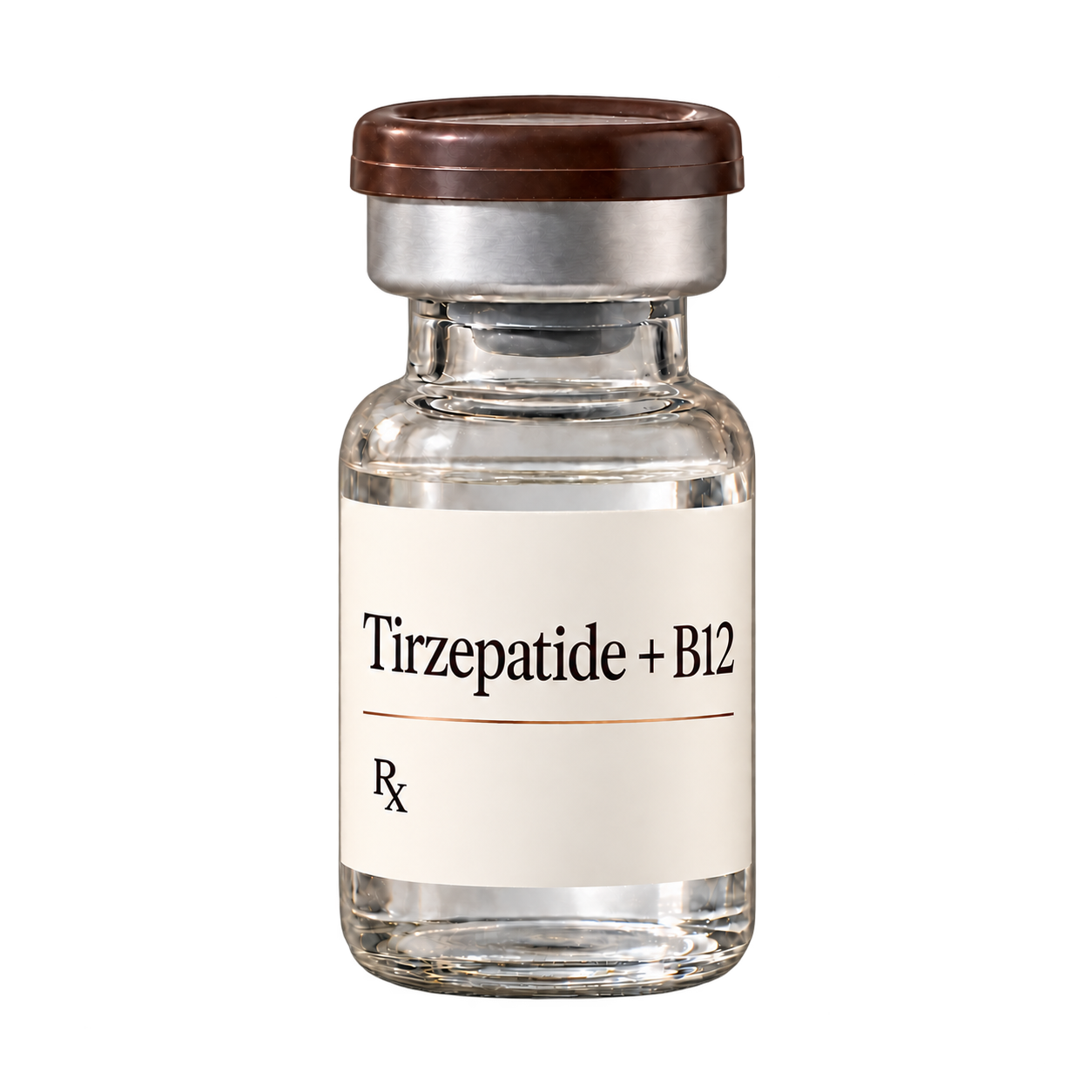
If you are asking how long can Zepbound be out of the fridge, the answer comes from the manufacturer storage instructions. Zepbound (tirzepatide) pens can be kept at room temperature for a limited time, but heat and freezing can ruin the medication. This page also explains what to do if a pen was left out, traveled with you, or got too warm. If you are using compounded tirzepatide instead of the brand, Vitals Vault can help you connect with clinician guided care and pharmacy specific storage guidance.
- Zepbound can be out of the fridge at room temperature for up to 21 days.
- Do not use Zepbound if it has been frozen or exposed to heat above 86°F (30°C).
- Once stored at room temperature, do not return Zepbound to the refrigerator.
- If you use compounded tirzepatide, follow your pharmacy's storage instructions.
How long can Zepbound be out of the fridge?
- Room temperature limit
- Up to 86°F (30°C)
- Time allowed out of refrigerator
- Up to 21 days
- After room temperature storage
- Do not return to the refrigerator
- If frozen
- Do not use
Storage details and what to do if it was left out
If it was left out overnight
Check how long it was at room temperature and whether it stayed at or below 86°F (30°C). If it is within 21 days and not overheated or frozen, the label allows room temperature storage. If you are not sure about temperature exposure, ask your pharmacist or prescribing clinician before using it.
If it got too warm
The label says to throw away Zepbound if it has been exposed to temperatures above 86°F (30°C). This can matter during travel, in a hot car, near heaters, or in direct sun. When in doubt, contact your pharmacist for guidance based on what happened.
If it was frozen
Do not use Zepbound if it has been frozen. Freezing can damage the medication even if it later looks normal. If you think it froze in a cooler, freezer compartment, or against ice packs, replace it and ask your pharmacy about next steps.
Do not refrigerate again
Once a Zepbound pen has been stored at room temperature, the manufacturer says not to return it to the refrigerator. If you need to track time out of the fridge, consider writing the date you first stored it at room temperature on the carton.
If you use compounded tirzepatide
Zepbound is a brand product, but compounded tirzepatide is different and is not FDA-approved. Storage rules can vary by pharmacy, formulation, and packaging, so follow the dispensing pharmacy instructions and ask your clinician if anything is unclear.
| Situation | What the label says | What to do next |
|---|---|---|
| Stored at room temperature (at or below 86°F/30°C) for 21 days or less | Allowed | Keep at room temperature and track the 21 day window |
| Stored at room temperature longer than 21 days | Not allowed | Throw away the pen and replace it |
| Exposed to heat above 86°F (30°C) | Not allowed | Throw away the pen and contact your pharmacy if needed |
| Frozen at any point | Not allowed | Do not use; replace it |
| Room temperature stored, then put back in fridge | Manufacturer says do not return to fridge | Ask your pharmacist what to do with that specific pen |
When to talk to a clinician or pharmacist
You think it overheated or froze
If the pen may have been above 86°F (30°C) or frozen, the label says not to use it. A pharmacist can help you decide whether it needs replacement and how to prevent a repeat during travel or power outages.
You are switching to compounded tirzepatide
Compounded tirzepatide is not Zepbound and is not FDA-approved. Ask your clinician and dispensing pharmacy for the exact storage instructions for your prescription, including what to do if it is left out.
You have symptoms after a dose
If you have severe belly pain that does not go away, repeated vomiting, signs of dehydration, or you feel faint, seek urgent medical care. These can be signs of serious problems that need prompt evaluation, whether or not they are related to storage.
Pro tips for avoiding temperature mistakes
Track the first day out
Write the date you first stored it at room temperature on the carton.
Avoid cars and windowsills
Heat can exceed 86°F (30°C) quickly in cars and direct sun.
Use a thermometer when traveling
A small thermometer can help you confirm storage stays within label limits.
Ask for pharmacy guidance
If you use compounded tirzepatide, follow the pharmacy instructions exactly.
Frequently Asked Questions
How long can Zepbound be out of the fridge?
The Zepbound label says you can store the pen at room temperature up to 86°F (30°C) for up to 21 days. If it has been out longer than 21 days, the manufacturer says to throw it away.
Can I put Zepbound back in the fridge after it has been out?
The manufacturer says not to return Zepbound to the refrigerator after it has been stored at room temperature. If you already did, ask your pharmacist what to do with that specific pen.
What if Zepbound got warm in the mail or during travel?
The label says to throw away Zepbound if it has been exposed to temperatures above 86°F (30°C). If you cannot confirm the temperature exposure, contact the pharmacy or your prescribing clinician before using it.
What if Zepbound accidentally froze?
Do not use Zepbound if it has been frozen, even if it later looks normal. Replace it and contact your pharmacy if you need help figuring out whether freezing occurred.
Do the same storage rules apply to compounded tirzepatide?
Not always. Compounded tirzepatide is not FDA-approved and storage instructions can vary by pharmacy and formulation, so follow the dispensing pharmacy directions and ask your clinician if you are unsure.