
Liothyronine sodium: what it is and how it works
Liothyronine sodium is a thyroid hormone (T3) used to treat hypothyroidism in selected cases. See safety, side effects, and cost.
Key facts
- Liothyronine is $39/month (billed $78 every 60 days), charged only after a clinician approves it.
- Answer a few health questions online. A licensed clinician reviews them. If approved, it ships to your door.
- Adults 18 or older. A licensed clinician reviews your health history and decides whether treatment is appropriate for you. Availability depends on the state you live in.
- A $20 clinician review, refunded if you don’t qualify.





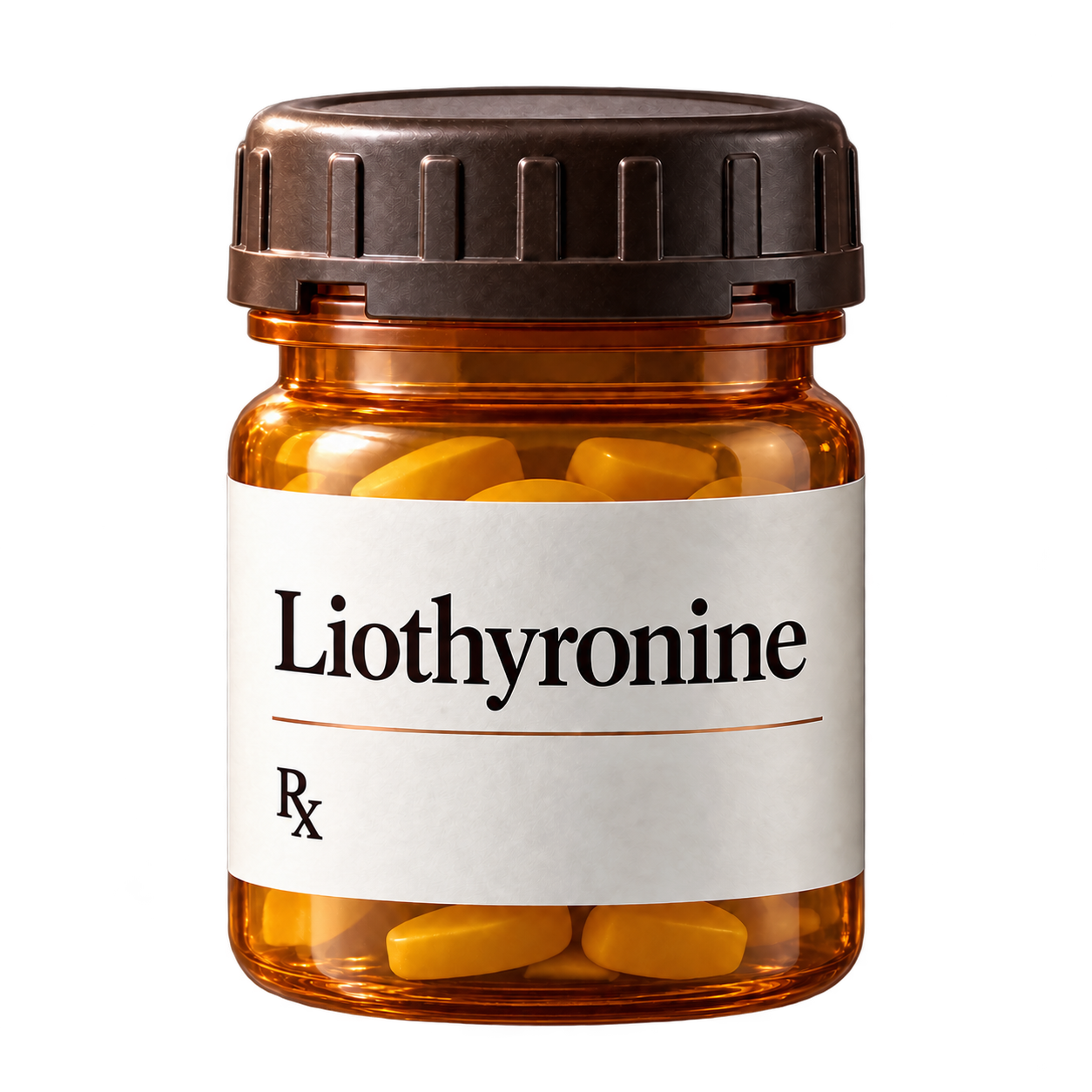
Liothyronine sodium is a prescription form of triiodothyronine (T3), a thyroid hormone your body normally makes. It is used to treat hypothyroidism (an underactive thyroid) and certain other thyroid related situations when a clinician decides T3 is appropriate. If you are considering liothyronine sodium through Vitals Vault, a licensed clinician reviews your health history and thyroid labs to decide whether it fits, then sets monitoring and follow up based on your needs.
- Liothyronine sodium is a prescription thyroid hormone (T3) used to treat hypothyroidism.
- It can act faster than T4, but dosing and monitoring need careful clinician oversight.
- Too much thyroid hormone can cause chest pain, fast heartbeat, anxiety, and bone loss over time.
- It is not for weight loss and can be dangerous if misused.
- Current prices for care plans are shown on this page in the price block.
What liothyronine sodium is
A synthetic T3 hormone
Liothyronine sodium is a lab made version of T3 (triiodothyronine). T3 is one of the main hormones produced by your thyroid gland and helps regulate energy use, temperature, and many organ functions.
Used for hypothyroidism
The FDA approved indication includes thyroid hormone replacement therapy for hypothyroidism. Clinicians may use it in selected situations when they want a T3 containing approach rather than T4 alone.
Not the same as levothyroxine
Levothyroxine is T4, which your body converts to T3 as needed. Liothyronine provides T3 directly, which can change how quickly effects are felt and how dosing is monitored.
Not for weight loss
Thyroid hormones should not be used to treat obesity or for weight loss. Using thyroid hormone in people with normal thyroid function can cause serious harm.
- Drug class
- Thyroid hormone (triiodothyronine, T3)
- What it treats
- Hypothyroidism (thyroid hormone deficiency)
- Prescription status
- Prescription only
- Key warning
- Not for weight loss; misuse can cause serious adverse effects
How liothyronine sodium works
Replaces missing thyroid hormone
If your thyroid does not make enough hormone, liothyronine supplies T3 to help normalize thyroid hormone activity in tissues. This can improve symptoms tied to low thyroid hormone, such as fatigue, cold intolerance, and slowed metabolism.
Acts directly as T3
T3 is the more active thyroid hormone at the cellular level. Because liothyronine is already T3, it does not rely on conversion from T4, which is one reason clinicians sometimes consider it in specific cases.
Has a shorter duration than T4
Compared with levothyroxine (T4), liothyronine generally has a shorter biological effect. That can mean more noticeable peaks and troughs, which is why careful titration and monitoring matter.
Monitoring uses thyroid labs
Clinicians typically follow thyroid stimulating hormone (TSH) and may also follow free T4 and T3 depending on the clinical situation. Lab interpretation depends on your diagnosis, symptoms, and the specific thyroid medication regimen.
Who liothyronine sodium may be for
Diagnosed hypothyroidism
Liothyronine sodium is used for thyroid hormone replacement in people with hypothyroidism. Your clinician considers your symptoms, thyroid lab pattern, and other medical conditions when choosing the best thyroid hormone approach.
Selected patients needing T3
Some people may be considered for T3 containing therapy based on clinical judgment, such as persistent symptoms despite appropriate T4 therapy or specific medical scenarios. This is individualized and should be guided by an experienced clinician.
People who can be monitored closely
Because too much thyroid hormone can stress the heart and bones, liothyronine is generally best suited to people who can follow a monitoring plan. That includes follow up visits and repeat labs when needed.
Those avoiding unsafe self-treatment
Liothyronine should be used only under medical supervision. Using it without a clear diagnosis or outside a monitored plan increases the risk of serious side effects.
Who should not take liothyronine sodium
Untreated adrenal insufficiency
Thyroid hormone can worsen adrenal insufficiency if it is not treated first. If you have symptoms or a history suggesting adrenal problems, your clinician may evaluate and treat that before starting thyroid hormone.
Thyrotoxicosis
Liothyronine should not be used if you already have excess thyroid hormone (thyrotoxicosis), because it can worsen symptoms like rapid heartbeat, tremor, heat intolerance, and anxiety.
People seeking weight loss
Thyroid hormones are not indicated for weight loss in people with normal thyroid function. High doses can cause life threatening toxicity, especially when combined with stimulants or other weight loss products.
Certain heart conditions need caution
If you have coronary artery disease, arrhythmias, heart failure, or a history of chest pain, thyroid hormone can increase cardiac workload. This does not always mean you cannot use it, but it requires careful clinician oversight.
Older adults may need extra caution
Older adults are more likely to have underlying heart disease and may be more sensitive to thyroid hormone effects. Clinicians often use more conservative titration and closer monitoring in this group.
What to expect with liothyronine sodium
A clinician set dosing plan
Your clinician chooses a starting approach and adjusts based on symptoms, exam findings, and thyroid labs. Do not change how you take thyroid hormone without medical guidance, because small changes can have large effects.
Follow up and lab monitoring
Expect follow up to check how you are feeling and to review lab results. Monitoring helps reduce the risk of overtreatment, which can show up as palpitations, insomnia, anxiety, or heat intolerance.
Medication timing matters
Many thyroid medications have absorption issues with certain foods, supplements, and other drugs. Ask your clinician or pharmacist how to separate liothyronine from interacting products such as calcium or iron supplements.
Symptom changes can be mixed
Some symptoms improve as thyroid hormone levels normalize, but symptoms like fatigue can have many causes. If you still feel unwell, your clinician may look for other contributors rather than escalating thyroid hormone alone.
Liothyronine sodium side effects and warnings
Palpitations or fast heartbeat
Thyroid hormone can increase heart rate and make you feel like your heart is racing, especially if the dose is too high. Seek urgent care for chest pain, fainting, or severe shortness of breath.
Chest pain or angina
In people with underlying coronary artery disease, thyroid hormone can worsen chest pain or trigger cardiac events. Tell your clinician right away if you develop new or worsening chest discomfort.
Shortness of breath
Breathing difficulty can occur if thyroid hormone causes strain on the heart or if you become overtreated. Treat sudden or severe shortness of breath as urgent.
Anxiety, irritability, insomnia
Feeling jittery, anxious, or unable to sleep can be a sign that thyroid hormone levels are too high for you. Your clinician may reassess labs, interactions, and the overall regimen.
Heat intolerance and sweating
Excess thyroid hormone can make you feel overheated or sweat more than usual. If this is new after starting therapy, it is worth checking for overtreatment.
Bone loss with overtreatment
Long term thyroid hormone overtreatment can reduce bone mineral density, increasing fracture risk, especially in postmenopausal women. Monitoring and avoiding unnecessary high thyroid hormone exposure helps reduce this risk.
Cost and access for liothyronine sodium
What drives total cost
Your total cost can depend on whether you are paying for medication only or a care plan that includes clinician visits and follow up. Lab testing, visit frequency, and pharmacy dispensing route can also affect overall cost.
Insurance coverage varies
Coverage for generic liothyronine can vary by plan and pharmacy benefit design. Even when covered, your out of pocket cost can differ based on deductible status, copays, and formulary rules.
Prices shown on this page
When available, current prices for Vitals Vault care options are shown in the price block on this page. Those prices can change over time, and availability depends on the state you live in.
Access depends on clinical fit
Because thyroid hormone dosing is individualized, access usually starts with a review of your symptoms, medical history, current medications, and thyroid labs. A clinician may ask for recent lab results before prescribing.
How to get liothyronine sodium safely
- 1
Share your history and goals
Complete an intake that covers symptoms, diagnoses, medications, and any heart or bone health concerns.
- 2
Review thyroid labs
A clinician reviews recent thyroid labs or may ask for updated results before making a decision.
- 3
Clinician evaluation and decision
A licensed clinician reviews your health history and decides whether treatment is appropriate for you.
- 4
Start a monitored plan if prescribed
If prescribed, your plan includes clinician consults and ongoing support, with follow up based on your response and labs.
Frequently Asked Questions
What is liothyronine sodium used for?
Liothyronine sodium is a prescription thyroid hormone (T3) used for thyroid hormone replacement in hypothyroidism. A clinician decides when T3 is appropriate based on your diagnosis, symptoms, and labs.
Is liothyronine sodium the same as levothyroxine?
No. Levothyroxine is T4, which your body converts to T3, while liothyronine provides T3 directly. Because T3 can have more noticeable effects on heart rate and symptoms, it is usually monitored carefully.
Can liothyronine sodium be used for weight loss?
No. Thyroid hormones should not be used for weight loss in people with normal thyroid function, and misuse can cause serious harm. If weight is a concern, ask a clinician about safer, evidence based options.
What are the most serious side effects of liothyronine sodium?
Serious risks are often related to too much thyroid hormone, including chest pain, very fast or irregular heartbeat, and shortness of breath. Long term overtreatment can also contribute to bone loss. Seek urgent care for severe heart or breathing symptoms.
How much does liothyronine sodium cost through Vitals Vault?
Cost depends on whether you need visits, labs, and follow up in addition to medication, and on how your care is structured. When available, current prices are shown in the price block on this page rather than listed in the article.