
Levothyroxine sodium side effects: common vs serious
Levothyroxine sodium side effects often reflect too much thyroid hormone. Know common symptoms, serious warning signs, and when to get help.
Key facts
- Levothyroxine is $41.67/month (billed $125 every 90 days), charged only after a clinician approves it.
- Answer a few health questions online. A licensed clinician reviews them. If approved, it ships to your door.
- Adults 18 or older. A licensed clinician reviews your health history and decides whether treatment is appropriate for you. Availability depends on the state you live in.





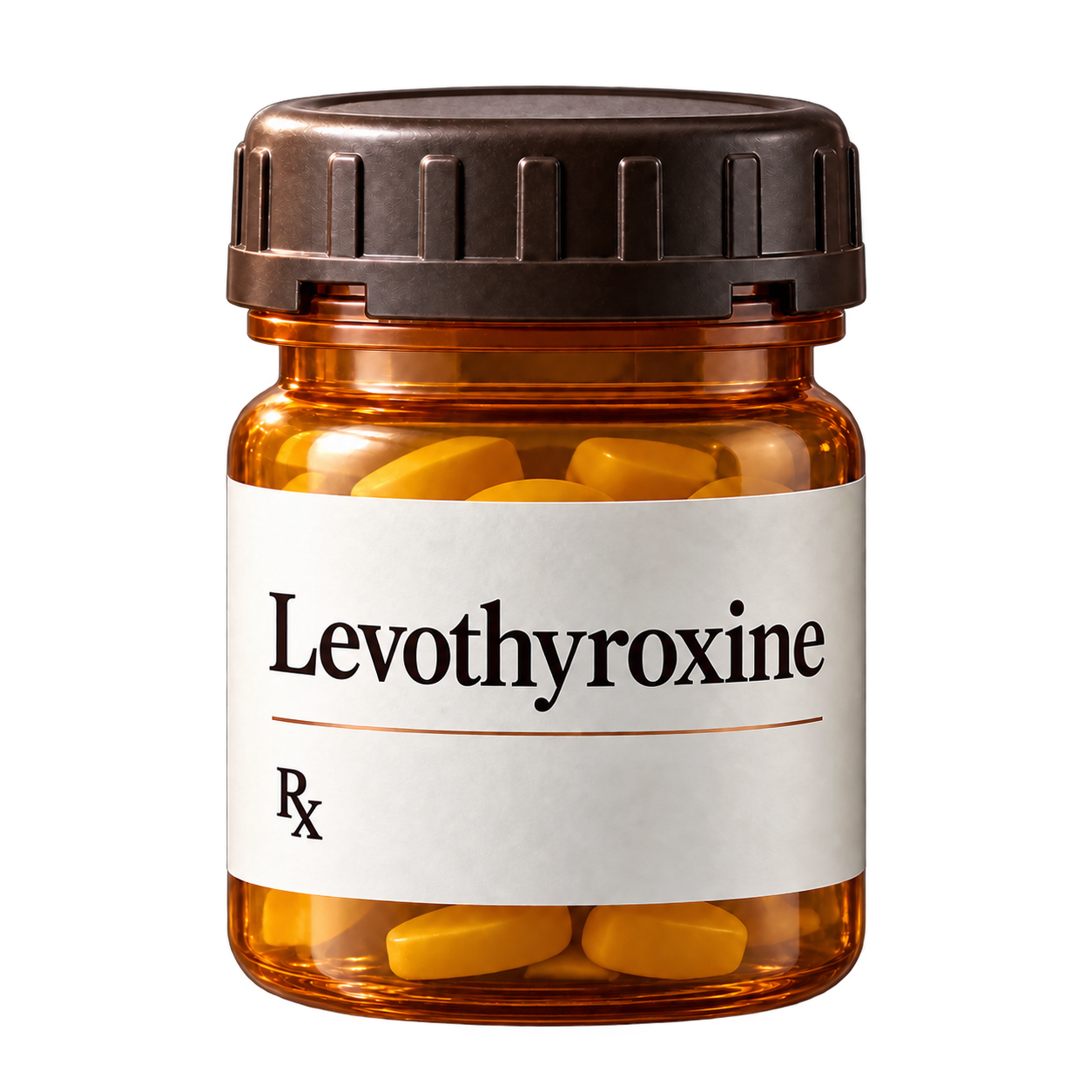
Levothyroxine is a synthetic form of thyroid hormone used to treat hypothyroidism. Many levothyroxine sodium side effects are actually signs that your body is getting more thyroid hormone than it needs, which can happen if the dose is too strong or absorption changes. This guide explains common versus serious side effects, what can make them more likely, and when to call a clinician. If you are unsure whether symptoms are thyroid related, Vitals Vault labs can help you check thyroid markers to discuss with a clinician.
- Levothyroxine sodium side effects most often happen when your dose is too high.
- Common symptoms can feel like anxiety, shakiness, sweating, diarrhea, or trouble sleeping.
- Serious risks include chest pain, fast or irregular heartbeat, and signs of severe allergic reaction.
- Tell your clinician about new symptoms, pregnancy, and any medication or supplement changes.
What are levothyroxine sodium side effects?
Common vs serious side effects and what can trigger them
Palpitations or fast heartbeat
You may notice a racing heart, pounding, or skipped beats, especially if your thyroid hormone level becomes too high. This is more likely after dose changes or if absorption increases. Contact a clinician promptly if it is new, persistent, or paired with dizziness or chest discomfort.
Nervousness, irritability, anxiety
Feeling keyed up, restless, or unusually anxious can be a sign of excess thyroid hormone effect. It can overlap with caffeine, stress, or other medications. If it interferes with daily life or starts after a dose change, ask your clinician whether thyroid labs are needed.
Tremor and shakiness
A fine hand tremor or internal shakiness can occur when thyroid hormone effect is high. It may be more noticeable with stimulants or when you are sleep deprived. Tell your clinician if it is new or worsening, especially with palpitations.
Trouble sleeping and sweating
Insomnia, heat intolerance, and increased sweating can happen when your metabolism is pushed too high. These symptoms can also occur with menopause, infection, or anxiety, so context matters. If they begin after starting or changing levothyroxine, bring it up at your next check in.
Diarrhea or increased bowel movements
Thyroid hormone speeds up gut motility, so excess effect can cause looser stools or more frequent bowel movements. Hydration matters, and persistent diarrhea should be evaluated for other causes too. Let your clinician know if it lasts more than a few days or causes dehydration.
Chest pain or fainting
Chest pain, shortness of breath, fainting, or a very fast or irregular heartbeat can signal a dangerous heart rhythm problem or strain on the heart. This is more concerning if you have heart disease or are older. Seek urgent care for these symptoms rather than waiting for routine follow up.
Severe allergic reaction
Stop and get emergency help if you develop swelling of the face, lips, tongue, or throat; trouble breathing; or widespread hives. Levothyroxine products can differ in inactive ingredients, and rare hypersensitivity reactions have been reported. A clinician can help determine whether the reaction is medication related and what alternatives are appropriate.
Bone loss with overtreatment
Long term overtreatment can increase bone turnover and may contribute to reduced bone mineral density, particularly in postmenopausal women. This is one reason clinicians aim for thyroid levels in an appropriate range and monitor labs periodically. If you have osteoporosis risk, discuss monitoring and prevention strategies with your clinician.
Worsening angina or heart failure
In people with underlying heart disease, too much thyroid hormone effect can worsen angina (chest pain from reduced blood flow to the heart) or heart failure symptoms. This risk is why clinicians often start cautiously and monitor symptoms and labs. Seek care promptly for new chest pain, swelling, or shortness of breath.
How long do levothyroxine side effects last?
After starting or changing therapy
Because levothyroxine has a long half life, blood levels and clinical effects change gradually. The label notes it can take several weeks to see the full effect of a dose change, so side effects related to overtreatment may also take time to settle after your clinician addresses the cause.
When symptoms persist
If symptoms continue, your clinician may check thyroid stimulating hormone (TSH) and free thyroxine (free T4) and review adherence and interactions. Persistent symptoms can also come from non thyroid causes, so a broader evaluation may be needed. Do not change your dose on your own.
When to treat as urgent
Chest pain, fainting, severe shortness of breath, confusion, or signs of severe allergic reaction should be treated as urgent, regardless of timing. These symptoms can be dangerous and need immediate evaluation. Call emergency services if symptoms are severe.
When to call a clinician or seek urgent care
Call urgently for heart symptoms
Seek urgent care for chest pain, fainting, severe shortness of breath, or a very fast or irregular heartbeat. These can be signs of a serious heart rhythm problem or cardiac strain, especially if you have known heart disease.
Get emergency help for allergy signs
Call emergency services for swelling of the face or throat, trouble breathing, or widespread hives. These can indicate a severe allergic reaction that needs immediate treatment.
Message your clinician about new symptoms
Contact your clinician if you develop persistent palpitations, tremor, anxiety, sweating, diarrhea, or insomnia, especially after a dose change. Your clinician may review timing, interactions, and whether thyroid labs are needed.
Report pregnancy or planning pregnancy
Thyroid hormone needs can change during pregnancy, and monitoring is important for both parent and fetus. Tell your clinician promptly if you are pregnant or planning to become pregnant so they can guide testing and dose evaluation.
Frequently Asked Questions
What are the most common levothyroxine sodium side effects?
Common side effects are often symptoms of too much thyroid hormone, such as palpitations, nervousness, tremor, sweating, diarrhea, and trouble sleeping. If these start or worsen, a clinician may review interactions and consider thyroid lab testing.
Can levothyroxine cause heart palpitations?
Yes. Palpitations and a fast heartbeat can occur when thyroid hormone effect is too high, particularly after dose changes or if absorption increases. Seek urgent care for chest pain, fainting, or a very fast or irregular heartbeat.
What should I do if I feel worse after starting levothyroxine?
Contact your prescribing clinician to review symptoms, timing, and any medication or supplement changes. The label notes the full effect of dose changes can take several weeks, so clinicians often use labs and symptoms together to guide adjustments.
Can levothyroxine side effects happen even if my dose did not change?
They can. The label notes that foods, supplements (such as calcium or iron), gastrointestinal conditions, and other medicines can change absorption or thyroid hormone requirements. Tell your clinician about any changes so they can decide whether labs or other evaluation is needed.
Is levothyroxine used for weight loss?
No. Levothyroxine has a boxed warning that it should not be used to treat obesity or for weight loss, and taking too much can cause serious harm. If weight change is a concern, discuss safer evaluation and options with a clinician.