
Liothyronine: what it is, uses, side effects
Liothyronine is a prescription thyroid hormone (T3) used to treat hypothyroidism and certain thyroid conditions. Learn benefits and risks.
Key facts
- Liothyronine is $39/month (billed $78 every 60 days), charged only after a clinician approves it.
- Answer a few health questions online. A licensed clinician reviews them. If approved, it ships to your door.
- Adults 18 or older. A licensed clinician reviews your health history and decides whether treatment is appropriate for you. Availability depends on the state you live in.
- A $20 clinician review, refunded if you don’t qualify.





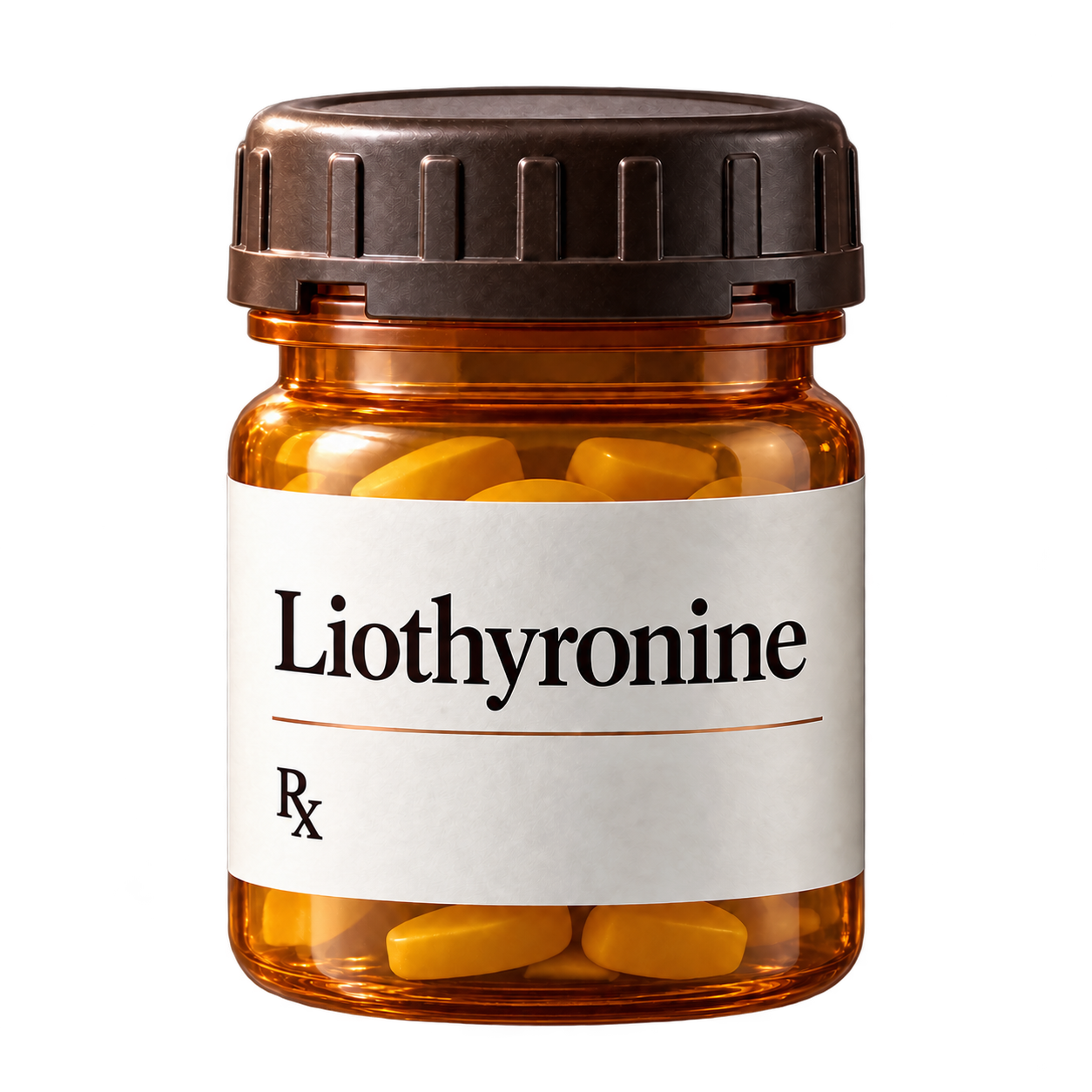
Liothyronine is a prescription form of triiodothyronine (T3), a thyroid hormone your body normally makes. Clinicians use it to treat hypothyroidism (underactive thyroid) and certain other thyroid related situations when it fits your labs, symptoms, and medical history. This page explains how liothyronine works, who it may or may not suit, and what to expect with monitoring. If you are exploring care through Vitals Vault, a licensed clinician reviews your history and may request recent thyroid labs before prescribing.
- Liothyronine is prescription T3 thyroid hormone used to treat hypothyroidism and some thyroid conditions.
- It can act faster than T4 medicines, but dosing usually needs careful lab guided adjustment.
- Too much can cause hyperthyroid like effects, including fast heart rate and chest pain.
- It has a boxed warning against use for weight loss at any dose.
- Cost varies by dose, pharmacy, and insurance, and current prices are shown on this page.
What liothyronine is
A thyroid hormone medicine
Liothyronine is synthetic triiodothyronine (T3). T3 is one of the main hormones produced by the thyroid gland and helps regulate metabolism, heart function, and temperature control. Liothyronine is available as an FDA approved oral tablet.
Not the same as levothyroxine
Levothyroxine is T4, which your body converts to T3 in tissues. Liothyronine provides T3 directly, which can lead to more rapid changes in thyroid hormone levels. Some people use T3 as an add on to T4 under clinician supervision.
Sometimes called Cytomel
Cytomel is a brand name for liothyronine. Many pharmacies dispense FDA approved generic liothyronine instead of a brand product. Your prescription and pharmacy benefit determine which product you receive.
Not a weight loss drug
Liothyronine carries a boxed warning that thyroid hormones, including liothyronine, should not be used for obesity or weight loss. In people with normal thyroid function, doses used for weight loss can cause serious or life threatening toxicity.
- Drug class
- Thyroid hormone (T3)
- How it is taken
- By mouth (tablet)
- Common monitoring
- Thyroid labs (TSH and thyroid hormone levels), plus symptom review
- Boxed warning
- Not for weight loss in people with normal thyroid function
How liothyronine works in the body
Replaces missing T3
When your thyroid does not make enough hormone, your body can slow down in ways that affect energy, bowel habits, skin, mood, and heart rate. Liothyronine supplies T3 directly to help restore thyroid hormone activity. The goal is to relieve symptoms while keeping labs in a safe range.
Acts faster than T4
Compared with T4 only therapy, T3 can produce faster changes in circulating thyroid hormone levels. That is one reason clinicians often use smaller adjustments and closer follow up when starting or changing liothyronine. Your clinician uses both symptoms and lab results to guide changes.
Affects many organs
Thyroid hormone influences the heart, bones, brain, and metabolism. If the dose is too high, you can develop symptoms of excess thyroid hormone, such as palpitations, anxiety, heat intolerance, or tremor. People with heart disease or older adults may be more sensitive to these effects.
Absorption and interactions matter
Several medicines and supplements can change how thyroid hormones work or how your labs look. Examples include certain antacids or binders, estrogen containing therapies, and some seizure medicines. Tell your clinician about all prescriptions, over the counter products, and supplements you use.
Who liothyronine is for
Hypothyroidism treatment
Liothyronine is indicated for hypothyroidism, meaning your body does not have enough thyroid hormone. Many people are treated with levothyroxine (T4) alone, but liothyronine may be used in selected situations based on clinician judgment. Your clinician will consider symptoms, labs, and other conditions.
TSH suppression in thyroid cancer
Thyroid hormone may be used to suppress thyroid stimulating hormone (TSH) in certain thyroid cancer settings, depending on your cancer type and risk. This is a specialized decision that should be guided by an endocrinologist or oncology team. Monitoring is important because overtreatment can increase heart and bone risks.
Myxedema coma (hospital use)
Liothyronine is also indicated for myxedema coma, a rare life threatening form of severe hypothyroidism. This is treated in a hospital with intensive monitoring. If you suspect this emergency in yourself or someone else, seek emergency care immediately.
When symptoms persist on T4
Some people with hypothyroidism continue to feel unwell despite a normal TSH on levothyroxine. In some cases, clinicians consider combination therapy with levothyroxine plus liothyronine after evaluating other causes of symptoms. Evidence is mixed, so the decision is individualized and requires careful follow up.
Who should not take liothyronine (or needs extra caution)
Untreated adrenal insufficiency
Liothyronine is contraindicated in people with uncorrected adrenal insufficiency. Thyroid hormone can increase metabolic demands and may worsen adrenal crisis if cortisol deficiency is not treated. Your clinician may evaluate adrenal function when clinically indicated.
Thyrotoxicosis
Liothyronine should not be used in untreated thyrotoxicosis, which means too much thyroid hormone activity. Adding more thyroid hormone can worsen symptoms and increase the risk of serious heart rhythm problems. If you have symptoms like severe palpitations, chest pain, or confusion, seek urgent care.
Heart disease or arrhythmias
Thyroid hormone can increase heart rate and cardiac workload. People with coronary artery disease, heart failure, or a history of arrhythmias may need lower starting doses and closer monitoring. Tell your clinician if you have chest pain, shortness of breath, or a known heart condition.
Older adults
Older adults are more likely to have underlying heart disease and may be more sensitive to thyroid hormone. Clinicians often start lower and adjust more slowly to reduce the risk of angina or rhythm changes. Monitoring is especially important during dose changes.
Pregnancy and breastfeeding
Thyroid hormone needs can change during pregnancy, and untreated hypothyroidism can be harmful. If you are pregnant, trying to conceive, or breastfeeding, discuss your thyroid plan and lab monitoring with your clinician. Do not change thyroid medicines without clinician guidance.
What to expect with liothyronine treatment
A lab guided titration process
Liothyronine dosing is typically adjusted based on thyroid labs and how you feel. Your clinician may recheck labs after a change to confirm the dose is not too low or too high. The goal is to treat hypothyroid symptoms while avoiding signs of excess thyroid hormone.
Symptom changes can be subtle
When thyroid levels normalize, you may notice changes in energy, cold intolerance, constipation, or mental fog. Symptoms can overlap with other conditions, so your clinician may also look for other contributors such as anemia, sleep issues, depression, or medication side effects. Tracking symptoms between visits can help your clinician interpret labs.
Monitoring matters for safety
Too much thyroid hormone can increase the risk of atrial fibrillation (an irregular heartbeat) and can contribute to bone loss over time. If you develop new palpitations, chest pain, fainting, severe anxiety, or unexplained shortness of breath, seek urgent medical evaluation. Regular follow up helps reduce these risks.
Consistency helps your labs
Thyroid labs are easier to interpret when you take your medication consistently and tell your clinician about missed doses. If you take other medicines or supplements that can affect absorption or lab results, your clinician may recommend timing changes. Ask before making any routine changes.
Liothyronine side effects and warnings
Palpitations or fast heartbeat
A racing heart, pounding heartbeat, or feeling skipped beats can happen if thyroid hormone effect is too strong. This can be more concerning if you have heart disease or are older. Contact a clinician promptly, and seek urgent care for chest pain, fainting, or severe shortness of breath.
Chest pain or angina
Thyroid hormone can increase the heart’s oxygen demand. People with coronary artery disease may develop chest pain, especially during dose changes. Chest pain is an emergency symptom that needs immediate medical evaluation.
Anxiety, tremor, insomnia
Feeling jittery, anxious, shaky, or unable to sleep can be signs of excess thyroid hormone effect. These symptoms may improve when the dose is adjusted, but you should not change your medication on your own. Tell your clinician if these symptoms start or worsen after a change.
Heat intolerance and sweating
Feeling unusually warm, sweating more than usual, or having trouble tolerating heat can occur when thyroid hormone levels are high. These symptoms can also have other causes, so your clinician may review your labs and overall health. Report persistent symptoms rather than trying to self correct.
Diarrhea or weight change
Loose stools and unintended weight loss can occur with excess thyroid hormone effect. Because liothyronine is not a weight loss drug, any weight change should be discussed as a potential sign of overtreatment or another condition. Your clinician may adjust therapy based on symptoms and labs.
Bone loss with overtreatment
Long term overtreatment with thyroid hormone can contribute to decreased bone mineral density, especially in postmenopausal women. This is one reason clinicians aim for the lowest effective dose and monitor thyroid labs over time. If you have osteoporosis risk factors, discuss them with your clinician.
Cost and access for liothyronine
What drives cost
Your cost for liothyronine can vary based on tablet strength, quantity, pharmacy pricing, and whether you use an FDA approved generic or a brand product. Insurance coverage and prior authorization rules can also affect out of pocket cost. Current prices for the Vitals Vault option are shown on this page.
Insurance coverage varies
Some plans cover generic liothyronine with a standard copay, while others may require step therapy or documentation that a specific formulation is needed. If you have coverage limits, your clinician may need to provide clinical rationale. If you are paying cash, pharmacy to pharmacy pricing can differ.
Labs and follow up may add cost
Because thyroid hormone dosing is guided by lab results, you may need periodic thyroid testing and follow up visits. Those costs depend on where you get labs and how your insurance handles testing. Ask what monitoring is recommended for your situation before starting.
Access requires a prescription
Liothyronine is prescription only. A clinician evaluates your symptoms, medical history, and thyroid labs to determine whether it is appropriate and how it should be monitored. Avoid using thyroid hormone without medical supervision because overtreatment can be dangerous.
How to get liothyronine safely
- 1
Share your history and goals
Provide your symptoms, diagnoses, current medications, supplements, and any heart or bone health history.
- 2
Review thyroid labs
A clinician may ask for recent thyroid labs or order new tests to understand your current thyroid status.
- 3
Clinician decides if it fits
If liothyronine is appropriate, your clinician sets a plan for dosing, monitoring, and follow up.
- 4
Follow up and adjust as needed
You will typically recheck symptoms and labs after changes to confirm safety and effectiveness.
Frequently Asked Questions
What is liothyronine?
Liothyronine is a prescription thyroid hormone medicine that contains triiodothyronine (T3). It is used to replace or supplement thyroid hormone when your body is not making enough. It is taken by mouth as a tablet.
What is liothyronine used for?
Liothyronine is indicated for hypothyroidism and may also be used in certain thyroid cancer settings to help suppress TSH, depending on your care plan. It is also indicated for myxedema coma, which is treated in a hospital. Your clinician decides whether it fits your situation.
Is Cytomel generic?
Cytomel is a brand name product, and liothyronine is the generic drug name. Many pharmacies dispense FDA approved generic liothyronine instead of a brand. Which one you receive depends on your prescription and pharmacy benefit rules.
What are Cytomel side effects?
Side effects of liothyronine (including brand Cytomel) often reflect too much thyroid hormone effect, such as palpitations, anxiety, tremor, sweating, or diarrhea. More serious risks can include chest pain or abnormal heart rhythms, especially in people with heart disease. Report new or severe symptoms promptly.
How much does liothyronine cost?
Cost depends on your dose, pharmacy pricing, and whether insurance covers the prescription. Monitoring labs and follow up visits can also affect total cost. If you are using the Vitals Vault option, current prices are shown on this page.