
Finasteride regrowth: how long until results?
Finasteride regrowth is gradual. Many people see reduced shedding first, then visible thickening over months. Your clinician can help assess progress.
Key facts
- Finasteride + Minoxidil Scalp Solution is $53.50/month (billed $107 every 50 days), charged only after a clinician approves it.
- Answer a few health questions online. A licensed clinician reviews them. If approved, it ships to your door.
- Adults 18 or older. A licensed clinician reviews your health history and decides whether treatment is appropriate for you. Availability depends on the state you live in.


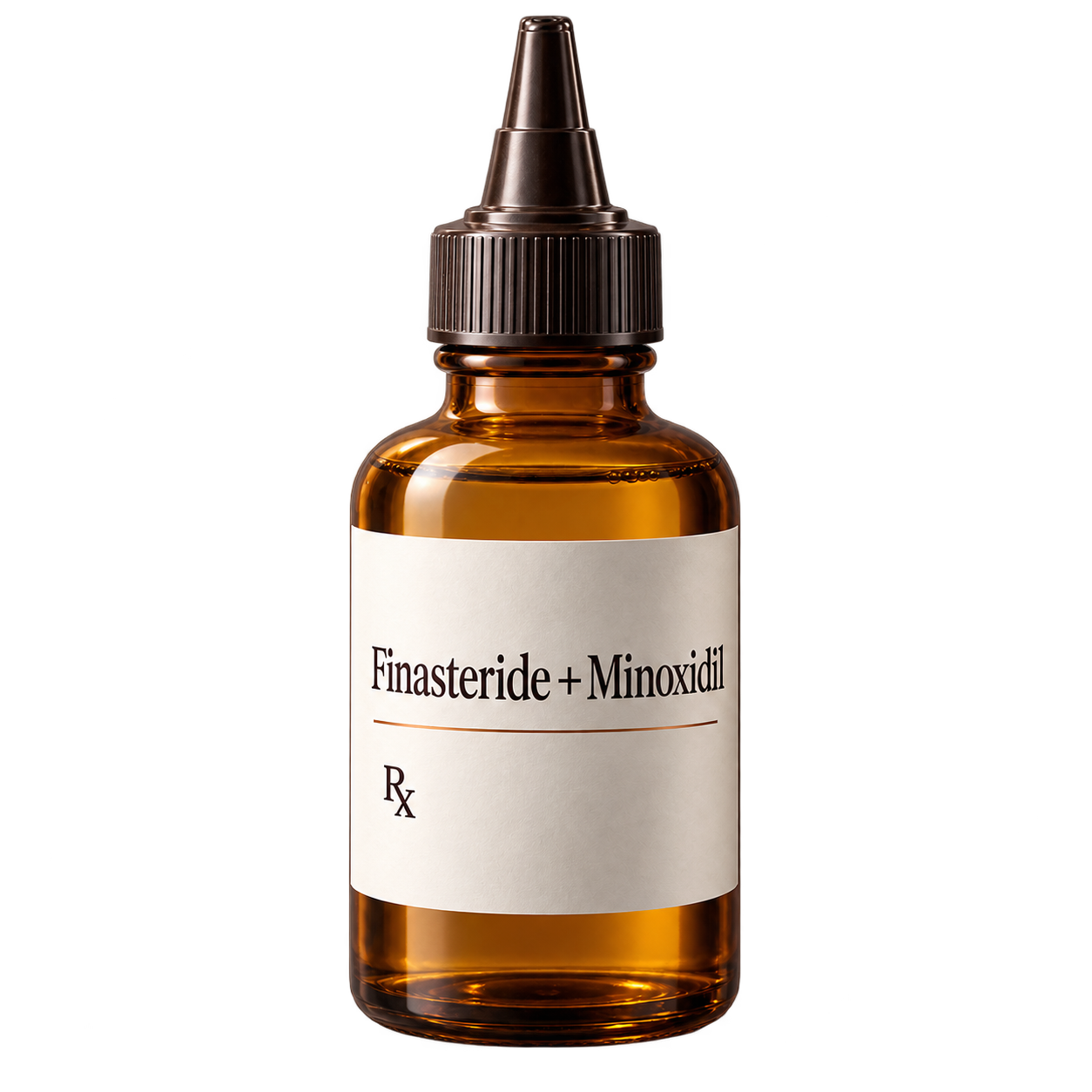
If you are searching for finasteride regrowth, the most important thing to know is that results are gradual. In clinical studies of finasteride for male pattern hair loss, changes were assessed over months, and the clearest comparisons were made at 12 months. This page explains what that timeline can look like, why some people see changes sooner than others, and when it is worth checking in with a clinician. If you are exploring treatment options, Vitals Vault can connect you with clinician guided plans where appropriate.
- Finasteride regrowth is slow: assess progress over months, with best evidence at 12 months.
- Early changes are often less shedding or slower loss, not immediate new growth.
- Results vary by how long you have had hair loss and how consistent treatment is.
- Sexual side effects can occur; discuss risks and benefits before starting.
Answer: how long finasteride regrowth takes
Expect months, not weeks
Finasteride regrowth typically cannot be judged in a few weeks because hair growth cycles are slow. In clinical trials for male pattern hair loss, outcomes were evaluated at 12 months, and participants continued to be followed longer term. A practical way to think about it is that you are looking for gradual change over months, not a sudden switch.
Early wins may be stabilization
For many people, the first noticeable change is that shedding slows or hair loss seems to stabilize. That can be a meaningful result even if you do not see obvious thickening right away. Trials measured both hair counts and appearance assessments over time, which reflects that visible change can lag behind biological change.
Plan a 12 month check-in
Because the strongest trial comparisons are at 12 months, that is a common milestone to review photos, symptoms, and expectations with a clinician. If you are also using minoxidil, the combined timeline can still be gradual and may be harder to interpret without consistent tracking. A clinician can help you decide whether the plan still fits your goals and risk tolerance.
What affects your results and timeline
How long hair loss has been present
Finasteride is indicated to treat male pattern hair loss (androgenetic alopecia) and works by lowering dihydrotestosterone (DHT), a hormone involved in follicle miniaturization. In general, earlier treatment tends to preserve more hair because there is more hair left to protect. If loss has been progressing for years, you may see stabilization more than dramatic regrowth.
Consistency matters
Hair outcomes are typically evaluated after sustained use, and stopping treatment can allow DHT driven hair loss to resume. The FDA label notes that daily use is recommended and that benefit is sustained only with continued use. If you miss doses frequently, it can make your progress harder to interpret and may reduce the chance of seeing a meaningful change.
What you count as regrowth
Some people mean less shedding, some mean thicker hair, and others mean filling in a hairline. Trials used objective hair counts and investigator or patient assessments, which do not always match what you notice in the mirror. Setting one or two measurable goals (for example, crown density in photos) can make the timeline feel clearer.
Adding minoxidil changes the picture
Minoxidil is a separate hair loss treatment that can be used alongside finasteride in some care plans. If you start both around the same time, it may be difficult to tell which medication is responsible for which change, and early shedding can occur with minoxidil in some people. A clinician can help you decide what to track and when to reassess.
Side effects can limit persistence
Sexual adverse reactions are listed in the finasteride label, including decreased libido, erectile dysfunction, and decreased ejaculate volume. If side effects lead you to stop early, you may never reach the time window where regrowth is assessable. Bring side effects up promptly so a clinician can discuss options and safety.
Pregnancy exposure precautions
Finasteride is contraindicated in pregnancy, and the label warns that women who are or may become pregnant should not handle crushed or broken tablets because of the risk to a male fetus. This matters for household handling and storage even when the person taking finasteride is male. Ask a pharmacist or clinician how to reduce exposure risk in your home.
| Timeframe | What you might notice | How to track it |
|---|---|---|
| First few months | Often less shedding or slower loss; visible thickening may be subtle | Baseline photos in consistent lighting; note shedding patterns |
| Around 12 months | Best supported milestone to judge benefit in studies | Repeat photos and discuss with a clinician |
| After stopping | Benefit is not maintained if treatment is discontinued | If you stop, ask a clinician what changes to expect |
When to talk to a clinician
No improvement by 12 months
The finasteride label states that daily use for three months or more may be necessary before benefit is observed, and that further benefit may occur with continued use. If you do not see stabilization or any improvement by about a year, it is reasonable to review the diagnosis and plan. A clinician may discuss other causes of hair loss and alternative options.
Sexual or mood symptoms
If you develop sexual side effects such as erectile dysfunction or decreased libido, or you notice mood changes, contact a clinician. The label includes sexual adverse reactions and notes reports of depression. A clinician can help you weigh risks, benefits, and next steps without you guessing on your own.
Breast changes
Report breast tenderness, enlargement, lumps, pain, or nipple discharge promptly. Male breast cancer has been reported in people taking finasteride. While it is rare, it is important to get symptoms evaluated rather than waiting for them to resolve.
Fertility concerns
If you are trying to conceive or have concerns about semen parameters, discuss this before starting or while using finasteride. The label describes changes in semen characteristics in some studies. A clinician can help you decide what monitoring or alternatives make sense for your situation.
Pro tips for tracking progress
Take standardized photos
Use the same lighting, angle, and hair length each time.
Track one area
Pick crown or mid-scalp so changes are easier to compare.
Avoid day-to-day judging
Hair changes are slow; compare monthly or quarterly photos.
Write down side effects
A simple log helps you discuss patterns with a clinician.
Ask about labs when relevant
If shedding is unexplained, a clinician may review labs for contributors.
Frequently Asked Questions
How long does finasteride regrowth take?
Finasteride regrowth is gradual and is usually assessed over months, not weeks. In clinical studies for male pattern hair loss, outcomes were evaluated at 12 months, which is a common milestone to review progress with a clinician.
Will finasteride stop hair loss before I see regrowth?
It can. Many people notice reduced shedding or slower loss before they notice visible thickening, because stabilizing follicles can happen before changes look obvious. The finasteride label notes that benefit may require at least three months of daily use.
What if I stop finasteride after I see results?
The finasteride label states that benefit is sustained only with continued use. If treatment is discontinued, the effect does not persist, and hair loss can resume over time. A clinician can help you weigh long-term risks and benefits.
What side effects should I watch for while waiting for results?
The label lists sexual adverse reactions such as decreased libido, erectile dysfunction, and decreased ejaculate volume. It also advises reporting breast changes like lumps, pain, or nipple discharge. If you notice side effects, contact a clinician rather than trying to manage it alone.
Can I use finasteride if someone in my home is pregnant?
The label warns that women who are or may become pregnant should not handle crushed or broken finasteride tablets due to risk to a male fetus. If pregnancy exposure is a concern in your household, ask a clinician or pharmacist about safe handling and storage.