
Finasteride 5mg: what it is and why it’s used
Finasteride 5mg is FDA approved for BPH, not male pattern hair loss. It can affect a male fetus and may cause sexual side effects.
Key facts
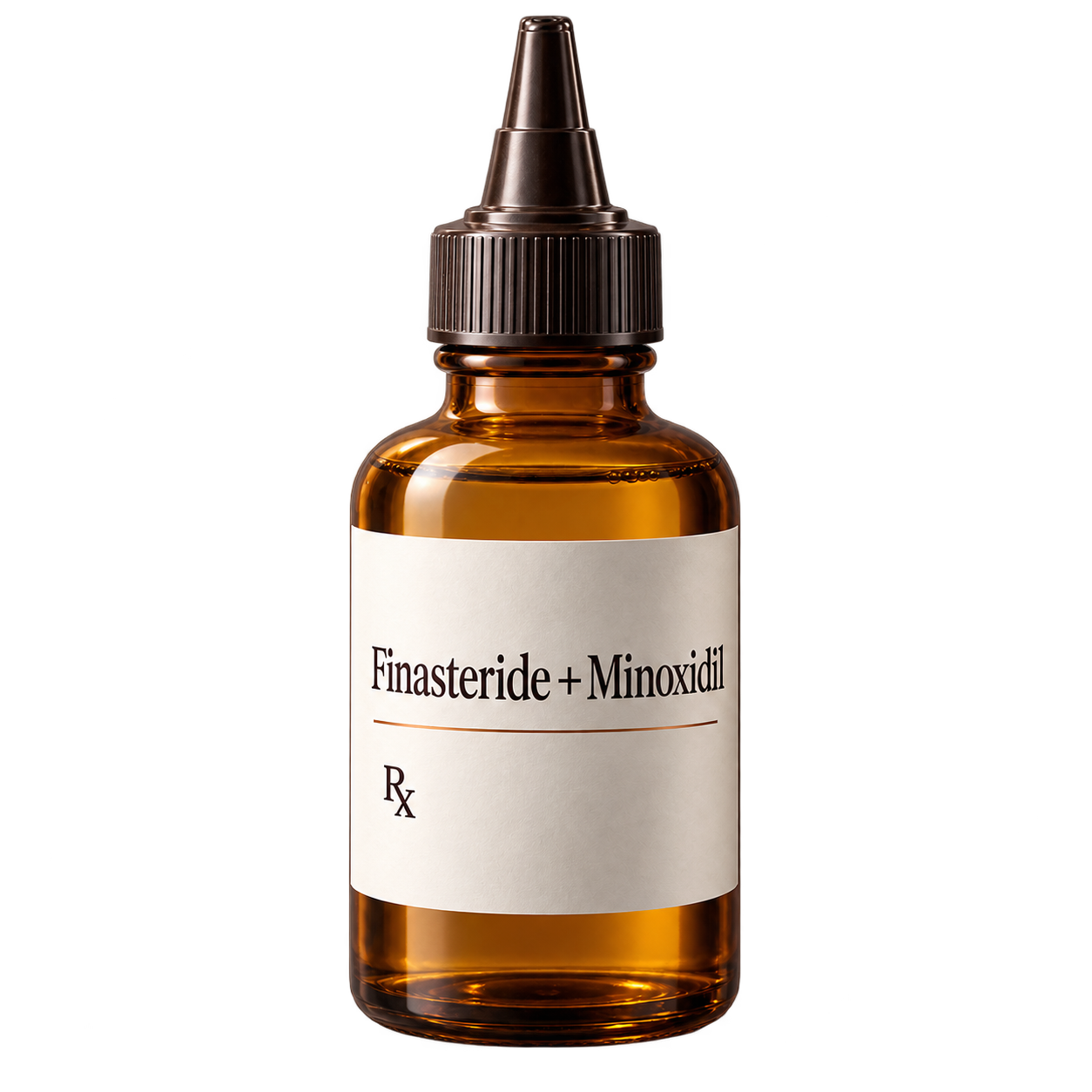
- Finasteride + Minoxidil Scalp Solution is $53.50/month (billed $107 every 50 days), charged only after a clinician approves it.
- Answer a few health questions online. A licensed clinician reviews them. If approved, it ships to your door.
- Adults 18 or older. A licensed clinician reviews your health history and decides whether treatment is appropriate for you. Availability depends on the state you live in.





Finasteride 5mg is a prescription tablet most commonly used to treat benign prostatic hyperplasia (BPH), meaning an enlarged prostate. People also search this dose because finasteride is used for male pattern hair loss, but the FDA approved hair loss dose is different. This page explains what “finasteride 5mg” usually refers to, why it is prescribed, and the key safety issues to know before you discuss it with a clinician. If you are exploring hair loss options, Vitals Vault can help you compare treatments and decide what questions to ask.
- Finasteride 5mg is FDA approved for BPH, not male pattern hair loss.
- For hair loss, the FDA approved oral dose is finasteride 1 mg daily.
- Finasteride can cause sexual side effects and mood changes in some people.
- Do not use in pregnancy; crushed tablets can be absorbed through skin.
Answer: what “finasteride 5mg” means
Details: uses, dosing, and safety
What finasteride does
Finasteride blocks type II 5-alpha reductase, an enzyme that converts testosterone to dihydrotestosterone (DHT). Lowering DHT can shrink prostate tissue in BPH and can reduce scalp DHT exposure that contributes to male pattern hair loss. The same mechanism is why pregnancy exposure is a concern.
FDA approved uses at 5mg
Finasteride 5mg tablets are FDA approved for symptomatic BPH and to reduce the risk of acute urinary retention and the need for surgery related to BPH. This is the dose used for the prostate indication, not the hair loss indication. Your clinician should confirm the goal of treatment before choosing a dose.
Hair loss use is different
For male pattern hair loss, the FDA approved oral product is finasteride 1 mg once daily. Using 5mg for hair loss is not the labeled regimen and is generally considered off label. If you are considering finasteride for hair loss, ask specifically which dose and formulation your clinician is recommending and why.
Common side effects
The finasteride label describes sexual adverse reactions such as decreased libido, erectile dysfunction, and ejaculation disorders. Some people report breast tenderness or enlargement. Side effects can be hard to separate from other causes, so it helps to track timing and discuss changes promptly with your clinician.
Serious risks to know
Finasteride is contraindicated in pregnancy because it can cause abnormalities of the external genitalia of a male fetus. The label also warns about depression and suicidal ideation and about breast changes, including lumps, pain, or nipple discharge, which should be evaluated. Finasteride can lower PSA (prostate specific antigen) values, which matters for prostate cancer screening discussions.
Handling and blood donation
Women who are or may become pregnant should not handle crushed or broken finasteride tablets because the active ingredient can be absorbed through the skin. The label also includes blood donation restrictions after taking finasteride to reduce the chance of exposing a pregnant transfusion recipient. Ask your pharmacist if you have questions about safe handling.
When to talk to a clinician
You are treating hair loss
If your goal is male pattern hair loss, confirm whether the plan is FDA approved finasteride 1 mg or an off label approach. Ask how long you should wait before judging response and what side effects should prompt stopping and reassessing. Also ask whether topical options may better match your risk tolerance.
You have sexual side effects
If you notice reduced libido, erectile dysfunction, or ejaculation changes after starting finasteride, tell your clinician. These symptoms can have multiple causes, including stress, other medications, and underlying health conditions. A clinician can help weigh risks and benefits and discuss alternatives.
Mood changes occur
Contact a clinician promptly if you develop new or worsening depression, anxiety, or suicidal thoughts. The finasteride label includes warnings about depression and suicidal ideation. If you feel at risk of self-harm, seek urgent help immediately.
Breast changes happen
Report any breast lump, pain, enlargement, or nipple discharge. The label advises evaluation of breast changes because, rarely, male breast cancer has been reported. Do not ignore persistent symptoms.
Pregnancy exposure is possible
If you are pregnant, may become pregnant, or could be exposed by handling crushed or broken tablets, discuss safety with a clinician or pharmacist. Finasteride is contraindicated in pregnancy. Safer handling and alternative options should be reviewed.
Pro tips for safer use
Confirm the indication
Ask your clinician whether you are treating BPH or hair loss, because labeled doses differ.
Track PSA discussions
Tell your clinician you take finasteride before any PSA based screening decisions.
Do not share tablets
Finasteride is prescription only and has pregnancy handling warnings.
Report changes early
Sexual, mood, or breast changes are worth discussing sooner rather than later.
Ask about topical options
If side effects worry you, ask whether a topical approach is appropriate.
Frequently Asked Questions
Is finasteride 5mg used for hair loss?
Finasteride 5mg is FDA approved for BPH, not male pattern hair loss. The FDA approved oral hair loss dose is finasteride 1 mg once daily. Using 5mg for hair loss is typically off label and should be discussed with a clinician.
What is finasteride 5mg prescribed for?
Finasteride 5mg tablets are prescribed for benign prostatic hyperplasia (BPH), including reducing symptoms and lowering the risk of urinary retention and BPH related surgery. It works by lowering DHT, which can shrink prostate tissue over time. Your clinician can confirm whether your symptoms match BPH.
What are the most common side effects of finasteride 5mg?
The label describes sexual side effects such as decreased libido, erectile dysfunction, and ejaculation disorders. Some people also report breast tenderness or enlargement. If side effects occur, a clinician can help determine whether finasteride is the likely cause and discuss options.
Why is finasteride unsafe in pregnancy?
Finasteride is contraindicated in pregnancy because it can cause abnormalities of the external genitalia of a male fetus. Women who are or may become pregnant should not handle crushed or broken tablets because the drug can be absorbed through the skin. Ask a pharmacist about safe handling if needed.
Can I use Vitals Vault to decide if finasteride is right for me?
Vitals Vault can help you understand what finasteride 5mg is used for, what questions to ask, and what safety issues to consider. If you pursue treatment, a licensed clinician reviews your health history and decides whether it is appropriate. Availability depends on your state.