
Oral minoxidil results: what to expect
Oral minoxidil results can take months and vary by person. Here is what studies show, why results differ, and when to contact a clinician.
Key facts
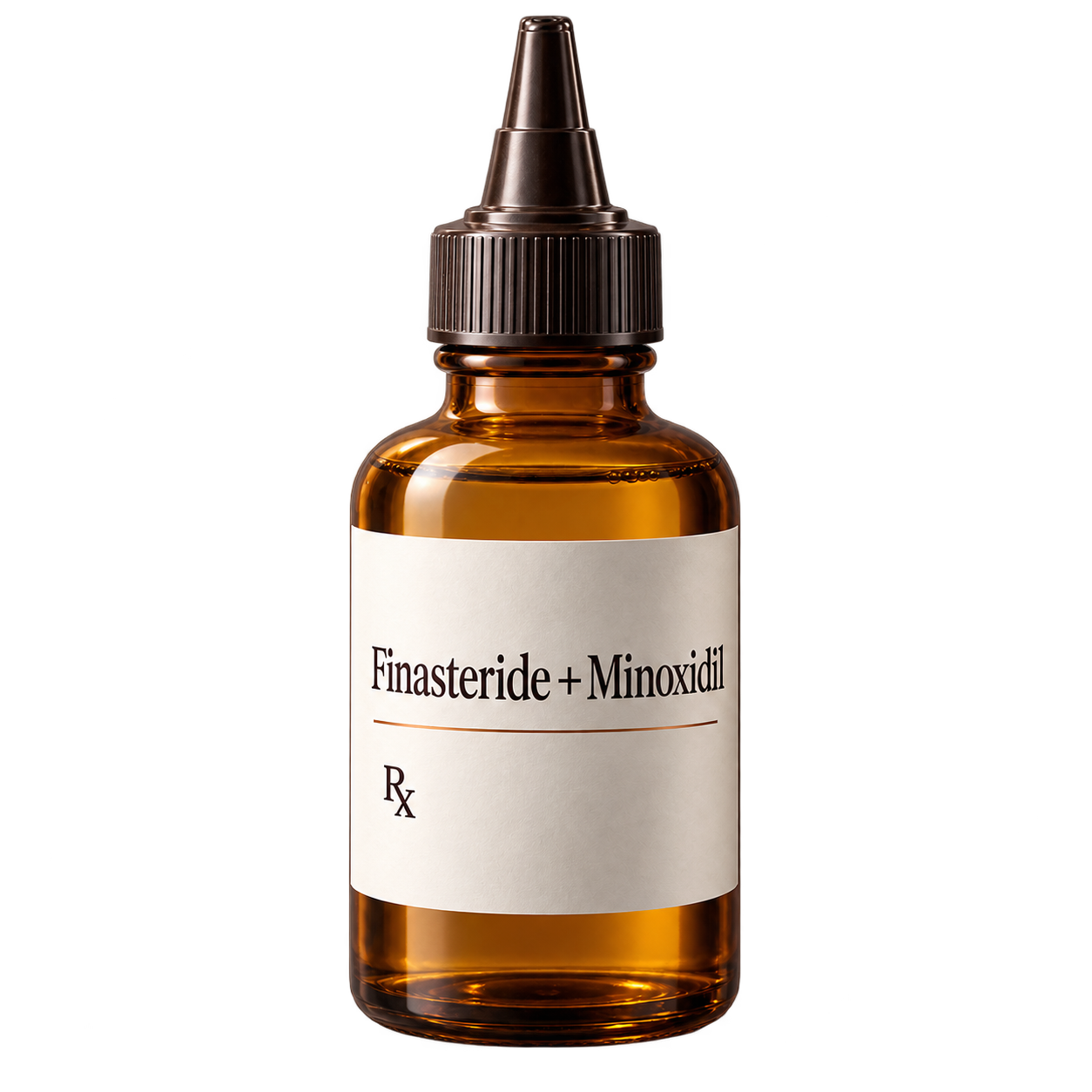
- Finasteride + Minoxidil Scalp Solution is $53.50/month (billed $107 every 50 days), charged only after a clinician approves it.
- Answer a few health questions online. A licensed clinician reviews them. If approved, it ships to your door.
- Adults 18 or older. A licensed clinician reviews your health history and decides whether treatment is appropriate for you. Availability depends on the state you live in.





Oral minoxidil results can look different from person to person, even when the medication is taken consistently. The best way to set expectations is to look at what clinical studies report, what they do not measure well, and the common reasons results vary. This guide summarizes what the medical literature suggests about timelines and visible changes, plus practical ways to track progress. If you want help weighing benefits and risks for your situation, Vitals Vault can connect you with clinician-guided care where available.
- Oral minoxidil results are possible, but they vary and usually take months.
- Oral minoxidil for hair loss is off-label, and evidence is mostly from smaller studies.
- Early shedding can happen with minoxidil and does not always mean it is failing.
- Photos and consistent lighting help you judge change more accurately.
Do oral minoxidil results work?
What “results” usually means
Studies commonly look at changes in hair density, hair thickness, or clinician and patient ratings of improvement. In real life, you may notice less shedding, improved coverage, or thicker-looking hair before you see major regrowth. The specific outcome depends on the type of hair loss and how it is measured.
Why results vary so much
Hair loss has multiple causes, and minoxidil mainly supports hair growth cycles rather than treating every underlying trigger. Baseline severity, the pattern of hair loss, other medications, and medical conditions can all affect what you see. Consistency and time on treatment also matter.
Off-label does not mean ineffective
Off-label means the FDA has not approved oral minoxidil specifically for hair loss, not that it cannot be used. Clinicians may prescribe medications off-label when evidence and clinical judgment support it. You should still discuss risks, monitoring, and alternatives with a licensed clinician.
What affects results and how to track them
Your hair loss type
Oral minoxidil is most often discussed for androgenetic alopecia (pattern hair loss) and some other hair loss patterns, but the evidence base differs by condition. If your shedding is from a trigger like iron deficiency, thyroid disease, or recent illness, addressing that trigger may be as important as any growth stimulant. A clinician can help clarify the likely cause.
Time on treatment
Hair grows in cycles, so visible change is usually gradual. Many studies evaluate outcomes over several months, and shorter time windows can miss improvement. If you stop early, you may never reach the point where changes become noticeable.
Early shedding
Minoxidil can be associated with an initial increase in shedding for some people, which is often described as a temporary shift in the hair cycle. This can be alarming, but it does not automatically mean the medication is not working. If shedding is severe, persistent, or paired with other symptoms, check in with a clinician.
Dose and formulation differences
Published studies use a range of low-dose oral minoxidil regimens, and results can differ across doses and populations. If your oral minoxidil is compounded, the exact formulation and instructions come from the prescribing clinician and dispensing pharmacy. Do not adjust dosing on your own.
How you measure progress
Day-to-day mirror checks are unreliable because lighting, styling, and hair length change. Use standardized photos (same lighting, distance, and part line) and track shedding and scalp symptoms. If you are also using topical minoxidil or other therapies, note start dates so you can interpret changes.
Other health factors
Low ferritin (iron stores), thyroid disorders, and certain nutrient deficiencies can contribute to shedding or poor regrowth. Some clinicians use lab work to look for treatable contributors, especially when shedding is diffuse or sudden. Lab results do not diagnose hair loss on their own, but they can guide next steps.
| What to track | How to do it | Why it helps |
|---|---|---|
| Standardized photos | Take photos on a set schedule with consistent lighting and angles | Reduces false impressions from daily variation |
| Part width or crown coverage | Use the same part line and compare at similar hair length | Highlights changes in visible scalp show-through |
| Shedding pattern | Note whether shedding is sudden, diffuse, or patchy | Helps distinguish triggers and flags when to reassess |
| Scalp symptoms | Track itching, scaling, tenderness, or redness | May point to inflammation that needs separate treatment |
When to talk to a clinician
New swelling or rapid weight gain
Minoxidil can cause fluid retention in some people. If you develop swelling in the legs, face, or hands, or notice rapid weight changes, contact a clinician promptly. Seek urgent care if you also have shortness of breath or chest discomfort.
Fast heartbeat or chest symptoms
Minoxidil is a vasodilator, meaning it can lower blood pressure and affect heart rate. If you notice palpitations, dizziness, fainting, or chest pain, stop and get medical advice right away. These symptoms need clinician evaluation, especially if you have heart disease risk factors.
Severe dizziness or low blood pressure symptoms
Lightheadedness when standing, fainting, or unusual fatigue can signal low blood pressure. This is more concerning if you take other blood pressure medications or have dehydration. A clinician can decide whether evaluation or a treatment change is needed.
No change after a fair trial
If you have been consistent for several months and see no improvement, it may be the wrong diagnosis, the wrong approach, or the wrong expectations. A clinician can reassess the cause of hair loss and discuss alternatives like topical minoxidil, antiandrogens, or procedural options. Bring photos and a timeline of treatments tried.
Pro tips for realistic expectations
Use a consistent photo setup
Same lighting, same angles, same part line, and similar hair length each time.
Track what else changed
Write down new meds, stressors, illness, diet changes, and postpartum timing.
Separate shedding from regrowth
Less shedding can be progress even before you notice thicker coverage.
Ask about underlying triggers
Iron, thyroid, and inflammation can limit results if untreated.
Plan check-ins
Regular follow-up helps weigh benefits, side effects, and next steps.
Frequently Asked Questions
How long do oral minoxidil results take?
Most people need months of consistent use to judge change because hair growth cycles are slow. Many studies assess outcomes over several months rather than weeks. If you are unsure whether you are on track, review photos and check in with a clinician.
Can oral minoxidil cause shedding before results?
Some people notice increased shedding early on, which is often explained as a temporary shift in the hair cycle. It can be distressing but does not always mean treatment failure. If shedding is severe or persistent, talk with a clinician.
Are oral minoxidil results better than topical minoxidil?
They are not directly comparable for everyone because studies, doses, and hair loss types differ. Topical minoxidil is FDA-approved for certain hair loss patterns, while oral minoxidil for hair loss is off-label. A clinician can help you weigh convenience and side effect risks.
What can limit oral minoxidil results?
An incorrect hair loss diagnosis, untreated triggers (like iron or thyroid issues), inconsistent use, and advanced thinning can all limit visible change. Other scalp conditions such as inflammation can also affect outcomes. A clinician may recommend evaluation, including labs, to look for contributors.
When should I stop waiting for oral minoxidil results and reassess?
If you have been consistent for several months and see no meaningful change, it is reasonable to reassess with a clinician. Bring a timeline of treatments and standardized photos to the visit. Your clinician can discuss alternatives or combination approaches based on your diagnosis.