
Compounded semaglutide: what it is and how to get it
Compounded semaglutide is a pharmacy compounded version of semaglutide that is not FDA-approved. See the safety basics and who it may fit.
Key facts
- Semaglutide + B12 is $157/month (billed $157 every 4 weeks), charged only after a clinician approves it.
- Answer a few health questions online. A licensed clinician reviews them. If approved, it ships to your door.
- Adults 18 or older. A licensed clinician reviews your health history and decides whether treatment is appropriate for you. Availability depends on the state you live in.
- A $20 clinician review, refunded if you don’t qualify.


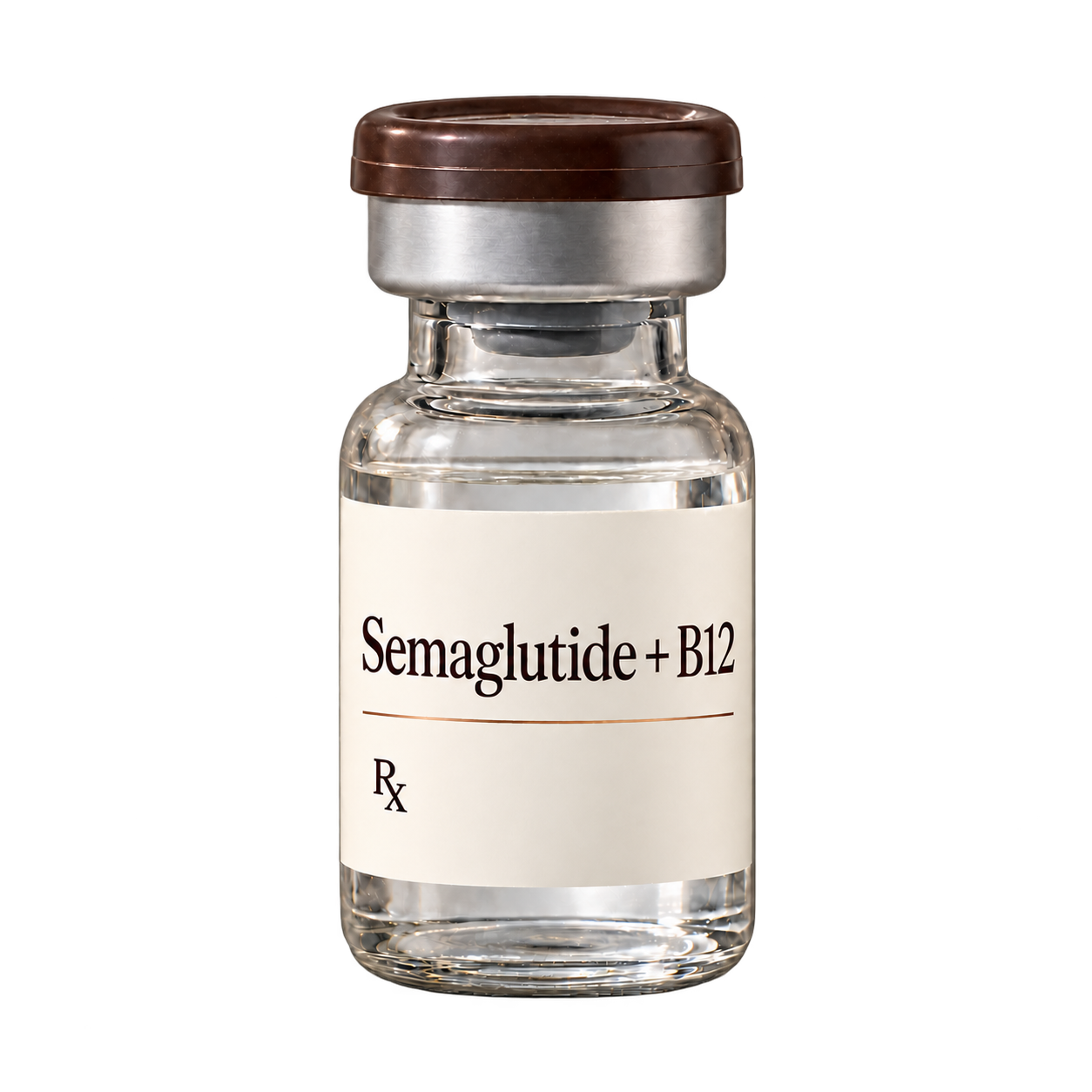
Compounded semaglutide refers to semaglutide prepared by a compounding pharmacy for an individual prescription. It is different from FDA-approved semaglutide products and is not FDA-approved, so quality and instructions can vary by pharmacy. This guide explains what compounded semaglutide is, who may or may not be a fit, what side effects to watch for, and how access typically works. If you are exploring care through Vitals Vault, a licensed clinician reviews your history and can request labs before prescribing.
- Compounded semaglutide is a pharmacy compounded version of semaglutide that is not FDA-approved.
- Semaglutide is a GLP-1 receptor agonist that reduces appetite and slows stomach emptying.
- Key risks include thyroid C-cell tumor warning, pancreatitis, gallbladder disease, and kidney injury.
- Safety and quality can vary with compounded products, so pharmacy standards and clinician monitoring matter.
- Costs vary by plan design, follow ups, and whether labs are needed; current prices are shown on this page.
What compounded semaglutide is
A compounded medication
Compounded semaglutide is prepared by a licensed pharmacy for an individual prescription and is not FDA-approved. That means it does not go through the same FDA review for safety, effectiveness, and manufacturing consistency as an approved product.
Same active ingredient concept
Semaglutide is the active ingredient in FDA-approved medicines used for type 2 diabetes and chronic weight management. Compounded versions aim to provide semaglutide, but the final product can differ by pharmacy in concentration, excipients, and packaging.
Not a generic Ozempic or Wegovy
A compounded product is not the same as an FDA-approved generic, and it should not be described as generic Ozempic or generic Wegovy. If you see marketing that blurs this line, it is a reason to ask more questions about sourcing and oversight.
How it is taken
FDA-approved semaglutide for weight management and diabetes is given as a subcutaneous injection on a set schedule per the prescribing information. For compounded semaglutide, your prescribing clinician and dispensing pharmacy provide the specific product instructions and supplies.
How semaglutide works in the body
Mimics GLP-1
Semaglutide is a glucagon-like peptide-1 (GLP-1) receptor agonist. GLP-1 is a hormone involved in appetite regulation and blood sugar control, and semaglutide activates the same receptor pathways.
Reduces appetite signals
In FDA-approved labeling, semaglutide is described as acting on brain pathways involved in appetite and food intake. For many people, that translates into feeling full sooner and having fewer hunger cues.
Slows stomach emptying
Semaglutide can slow gastric emptying, which can contribute to earlier fullness and can also contribute to gastrointestinal side effects. This effect is also one reason clinicians review other medicines you take by mouth.
Improves glucose control
In type 2 diabetes labeling, semaglutide improves glycemic control through glucose-dependent insulin secretion and reduced glucagon secretion. Even if you are using semaglutide for weight management, clinicians still consider blood sugar effects, especially if you use other diabetes medicines.
- Drug class
- GLP-1 receptor agonist
- Established evidence base
- Safety and efficacy data come from FDA-approved semaglutide products and trials
Who compounded semaglutide may be for
Adults considering GLP-1 care
Semaglutide is FDA-approved in certain formulations for type 2 diabetes and for chronic weight management in adults who meet specific criteria. A clinician can help you understand whether you meet on-label criteria for an FDA-approved product, and whether a compounded option is being considered for access reasons.
People needing clinician oversight
Because semaglutide can affect appetite, digestion, and blood sugar, it is typically used with ongoing clinician follow up. Monitoring is especially important if you have diabetes, take insulin or a sulfonylurea, or have a history of gastrointestinal or gallbladder issues.
People prioritizing affordability
Some people explore compounded semaglutide because it may be a lower-cost path than some brand-name options. Cost is only one factor, and you should weigh it alongside the added quality considerations that come with compounded medications.
Those who can follow safety guidance
Semaglutide has specific warnings and situations where it should not be used. You are more likely to be a good candidate if you can share a complete medical history, report symptoms early, and follow the plan for check ins and labs when requested.
Who should not take semaglutide
MTC or MEN 2 history
FDA-approved semaglutide products carry a boxed warning about thyroid C-cell tumors and state not to use semaglutide if you or a family member has medullary thyroid carcinoma (MTC), or if you have Multiple Endocrine Neoplasia syndrome type 2 (MEN 2). Discuss any thyroid cancer history before considering treatment.
Prior serious allergy
Do not use semaglutide if you have had a serious hypersensitivity reaction to semaglutide or any component of the product. Seek urgent care for symptoms such as swelling of the face or throat, trouble breathing, or widespread rash.
Pregnancy considerations
FDA-approved labeling for semaglutide includes pregnancy related guidance and recommends discussing pregnancy plans with a clinician. If you are pregnant, trying to become pregnant, or breastfeeding, ask your clinician about safer alternatives and timing.
Certain diabetes medicines
Semaglutide can increase the risk of low blood sugar when used with insulin or insulin secretagogues such as sulfonylureas, per FDA labeling. This does not automatically rule it out, but it is a reason your clinician may adjust other diabetes medicines and monitor you closely.
What to expect if you start compounded semaglutide
A gradual dose increase
FDA-approved semaglutide products use a gradual dose escalation schedule to improve tolerability, especially nausea and other gastrointestinal effects. With compounded semaglutide, the exact titration plan should be set by your prescribing clinician based on the product dispensed and your response.
Early appetite changes
Many people notice changes in hunger and fullness before they notice changes on the scale. If you feel overly full, have persistent nausea, or cannot keep fluids down, tell your clinician because dehydration can increase kidney risk.
GI side effects are common
Nausea, vomiting, diarrhea, constipation, and abdominal pain are among the most common side effects in FDA-approved semaglutide labeling. These often improve over time, but persistent or severe symptoms should be evaluated.
Follow ups and labs
Your clinician may want baseline information such as kidney function, glucose status, and cardiometabolic risk markers, and may repeat labs during treatment. Lab needs vary by your medical history and the plan of care.
Product specific instructions
FDA-approved products include a Medication Guide and Instructions for Use that cover storage, handling, and administration. Compounded semaglutide does not have an FDA-approved label, so your dispensing pharmacy and clinician should provide product specific instructions.
Side effects and warnings
Nausea and vomiting
Nausea and vomiting are common with semaglutide in FDA-approved labeling, especially during dose increases. Staying hydrated and discussing slower titration or symptom management with your clinician can help. Seek care if vomiting is persistent or you cannot keep fluids down.
Diarrhea or constipation
Changes in bowel habits are common. Tell your clinician if symptoms are severe, persistent, or accompanied by dizziness or signs of dehydration, since fluid loss can worsen kidney function.
Abdominal pain
Abdominal pain can occur and may be related to gastrointestinal effects. Severe, persistent pain, especially if it radiates to your back or comes with vomiting, needs urgent evaluation because pancreatitis is a labeled risk with semaglutide.
Pancreatitis
Acute pancreatitis has been reported with GLP-1 receptor agonists, including semaglutide, in FDA-approved labeling. Symptoms can include severe abdominal pain that may radiate to the back, with or without vomiting. Stop self-management and seek urgent medical evaluation if these symptoms occur.
Gallbladder disease
Gallbladder problems, including gallstones and cholecystitis, are listed warnings for semaglutide products. Contact a clinician promptly for right upper abdominal pain, fever, jaundice, or persistent nausea and vomiting.
Kidney injury from dehydration
Acute kidney injury and worsening chronic kidney disease have been reported, sometimes in the setting of nausea, vomiting, diarrhea, or dehydration. If you have kidney disease or develop significant GI symptoms, your clinician may monitor kidney function more closely.
Cost and access: what drives the price
Formulation and pharmacy factors
Because compounded semaglutide is prepared by a pharmacy for an individual prescription and is not FDA-approved, costs can vary based on the compounding pharmacy, formulation details, and dispensing model. Quality controls and shipping or handling requirements can also affect access.
Clinician care and follow ups
Total cost is not just the medication. Many care plans include an initial clinician evaluation, follow ups, and ongoing support, which can change what you pay depending on the program structure.
Labs and monitoring
A clinician may ask for recent lab results before prescribing and may monitor labs during treatment. If you already have recent results, you may not need repeat testing right away, but that decision depends on your health history.
Insurance coverage limits
Compounded medications are often not covered the same way as FDA-approved drugs, and coverage varies widely by plan and indication. If you have insurance, ask what is covered for weight management versus diabetes care, and what documentation is required.
Where to see current pricing
If a price block appears on this page, it shows current prices from the catalog for the associated care option. Prices can change, and eligibility and availability depend on clinician review and your state.
How to get compounded semaglutide safely
- 1
Start with a clinician evaluation
Share your medical history, current medications, and goals so a licensed clinician can assess whether semaglutide is appropriate.
- 2
Review risks and contraindications
Confirm you do not have contraindications such as MTC or MEN 2 history and discuss pancreatitis, gallbladder, kidney, and low blood sugar risks.
- 3
Complete labs if requested
A clinician may ask for recent lab results before prescribing to check baseline health and reduce avoidable risk.
- 4
Get pharmacy instructions and follow up
If prescribed, follow the dispensing pharmacy’s instructions and keep scheduled check ins so side effects and progress can be monitored.
Frequently Asked Questions
Is compounded semaglutide safe?
Semaglutide’s risks and warnings are best established from FDA-approved products and their prescribing information. Compounded semaglutide is not FDA-approved, so safety also depends on the compounding pharmacy’s quality and the monitoring plan set by your clinician.
What is semaglutide?
Semaglutide is a GLP-1 receptor agonist used in FDA-approved products for type 2 diabetes and chronic weight management in certain adults. It works by affecting appetite pathways and slowing stomach emptying, and it has specific warnings and contraindications.
How to get semaglutide?
Semaglutide is prescription-only, so the safest route is a clinician evaluation that reviews your medical history, medications, and contraindications. If prescribed, follow the dispensing pharmacy’s instructions and keep follow ups for side effect monitoring.
How long is compounded semaglutide good for?
Expiration and beyond-use dates for compounded medications depend on the specific formulation and the compounding pharmacy’s labeling. Use only the beyond-use date and storage instructions provided with your prescription, and ask the pharmacy if anything is unclear.
Is compounded semaglutide the same as “compounded Ozempic”?
No. Ozempic is an FDA-approved brand product with specific manufacturing controls and labeling, while compounded semaglutide is prepared by a pharmacy for an individual prescription and is not FDA-approved. If you see “compounded Ozempic” marketing, ask what the product actually contains and who dispenses it.