
Synthroid delivers program: what it is
The Synthroid delivers program refers to access support for Synthroid. Here is how levothyroxine access, safety, and clinician follow-up fit together.
Key facts
- Levothyroxine is $41.67/month (billed $125 every 90 days), charged only after a clinician approves it.
- Answer a few health questions online. A licensed clinician reviews them. If approved, it ships to your door.
- Adults 18 or older. A licensed clinician reviews your health history and decides whether treatment is appropriate for you. Availability depends on the state you live in.
- A $20 clinician review, refunded if you don’t qualify.





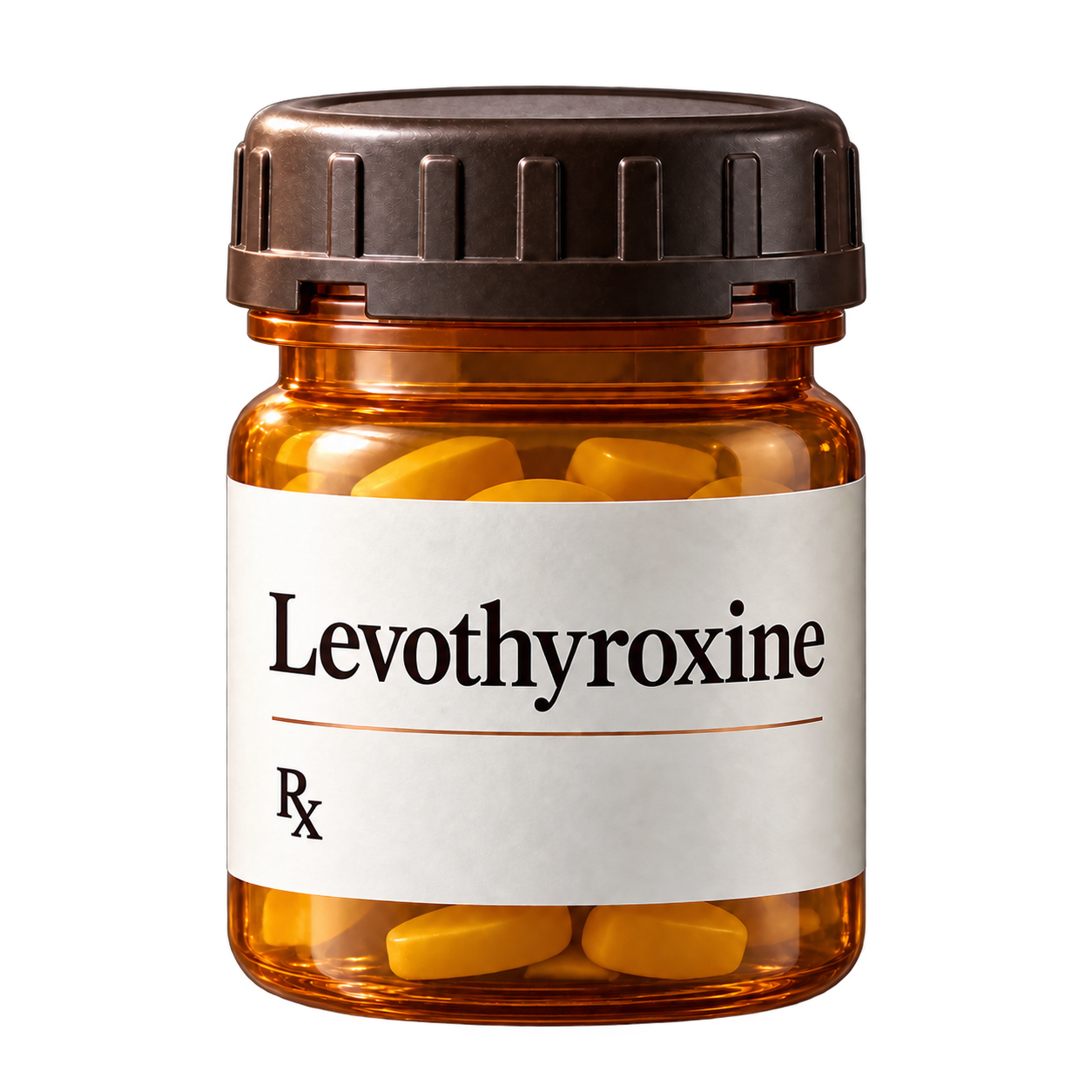
If you searched for the synthroid delivers program, you are likely looking for a straightforward way to access thyroid hormone treatment. Synthroid is a brand name for levothyroxine, a prescription medicine used to replace or supplement thyroid hormone when your body does not make enough. Vitals Vault does not imply it dispenses brand Synthroid. Instead, Vitals Vault offers generic levothyroxine with clinician review, plus options to start with labs if you are unsure where you stand.
- The synthroid delivers program is a brand access program; Vitals Vault offers generic levothyroxine, not brand Synthroid.
- Levothyroxine replaces thyroid hormone for hypothyroidism and related conditions when a clinician prescribes it.
- Consistency matters: take levothyroxine the same way daily and separate it from certain foods and supplements.
- Too much thyroid hormone can cause heart and bone risks, so dosing is individualized and monitored with labs.
What the Synthroid delivers program is
A brand access program
The Synthroid delivers program is a manufacturer program intended to help eligible people access brand Synthroid (levothyroxine). Programs like this may involve mail delivery, refill support, or savings terms set by the manufacturer. Details can change, so confirm eligibility and terms directly with the program.
Not the same as a prescription
Even with a delivery or savings program, Synthroid still requires a prescription. A clinician typically bases the decision on symptoms, exam, and thyroid lab results such as TSH and free T4. You should not start, stop, or switch thyroid hormone without clinician guidance.
Generic levothyroxine is another route
Synthroid is the brand name. Vitals Vault offers generic levothyroxine, the same active ingredient, and does not imply it dispenses brand Synthroid. Your clinician can help decide whether a specific brand or a generic is appropriate for you.
How levothyroxine works
Replaces thyroid hormone
Levothyroxine is synthetic T4 (thyroxine), a hormone your thyroid normally makes. In the body, T4 is converted to T3 (triiodothyronine), which helps regulate metabolism, temperature, and many organ functions. Treatment aims to restore thyroid hormone levels and normalize thyroid stimulating hormone (TSH).
Absorption can vary
Levothyroxine absorption can be affected by timing, foods, and other medicines. The prescribing information recommends taking it consistently on an empty stomach and avoiding certain products close to the dose. This is one reason clinicians often recheck labs after changes in routine or medications.
Dose is individualized
The right dose depends on factors such as age, weight, pregnancy status, heart disease risk, and the reason for treatment. Too little can leave hypothyroid symptoms untreated, and too much can cause symptoms of hyperthyroidism. Monitoring with labs helps keep treatment in a safe range.
Who levothyroxine is for
Hypothyroidism treatment
Levothyroxine is used to treat hypothyroidism, including primary (thyroid gland), secondary (pituitary), and tertiary (hypothalamic) causes. A clinician typically confirms hypothyroidism with thyroid labs before prescribing. The goal is to relieve symptoms and normalize thyroid hormone levels.
TSH suppression in some cases
Levothyroxine can be used to suppress TSH in certain thyroid conditions, such as some goiters or thyroid cancer management, when a specialist determines it is appropriate. Suppressive therapy uses different targets and may carry higher risk of side effects. This is usually managed with close monitoring.
People needing stable routines
Because consistency matters, levothyroxine can be a better fit when you can take it the same way each day and keep other medications and supplements organized. If your schedule is unpredictable, talk with a clinician about strategies that support consistent dosing and follow-up labs.
Those with recent thyroid labs
If you already have recent thyroid results, that can help a clinician evaluate whether levothyroxine is appropriate and how to monitor. If you do not, a clinician may recommend checking labs first rather than guessing. Lab results also help interpret symptoms that overlap with other conditions.
Who should not take levothyroxine
Uncorrected adrenal insufficiency
Levothyroxine is contraindicated in people with uncorrected adrenal insufficiency. Treating hypothyroidism without addressing adrenal insufficiency can worsen adrenal symptoms and may be dangerous. If you have symptoms such as severe fatigue, low blood pressure, or unexplained weight loss, discuss evaluation with a clinician.
Allergy to ingredients
Do not take levothyroxine if you have had a serious hypersensitivity reaction to levothyroxine or any inactive ingredient in a specific product. Reactions can include rash, hives, or swelling. A clinician or pharmacist can help identify an alternative formulation if needed.
Not for weight loss
Thyroid hormones, including levothyroxine, should not be used for weight loss in people with normal thyroid function. Using thyroid hormone for weight loss can cause serious or life-threatening toxicity, especially when combined with sympathomimetic amines. If weight is your main concern, ask a clinician about safer evidence-based options.
What to expect with access and treatment
A clinician review first
Whether you use a brand program or another route, a prescription requires clinician evaluation. Your clinician may review symptoms, medical history, medications, pregnancy status, and thyroid labs. They may also discuss whether staying on one manufacturer is important for you and how to monitor after any change.
Follow-up labs after changes
Levothyroxine dosing is adjusted based on thyroid labs and how you feel. The prescribing information notes that the peak effect of a given dose may not be reached for several weeks, so clinicians often recheck labs after dose or product changes. Your clinician will set the timing for your situation.
Consistency with timing and interactions
You will usually be asked to take levothyroxine consistently on an empty stomach and to separate it from certain supplements and medications that can reduce absorption. Common examples include calcium and iron products, bile acid sequestrants, and some antacids. Tell your clinician about everything you take, including over-the-counter products.
Possible symptom shifts
As thyroid levels normalize, symptoms such as fatigue, constipation, cold intolerance, and dry skin may improve, but improvement is not always immediate. If you develop symptoms of too much thyroid hormone, such as palpitations, tremor, anxiety, heat intolerance, or insomnia, contact your clinician. Those symptoms can also have other causes, so evaluation matters.
Side effects and safety warnings
Hyperthyroid-like symptoms
The most common side effects are usually signs of too much thyroid hormone for your body, such as fast heartbeat, palpitations, nervousness, irritability, tremor, sweating, heat intolerance, diarrhea, and trouble sleeping. These are often related to dose, absorption changes, or interactions. Contact your clinician if these occur, especially if you have heart disease risk.
Chest pain or arrhythmias
Excess thyroid hormone can increase heart rate and workload and may trigger angina or abnormal heart rhythms, particularly in older adults or those with coronary artery disease. Seek urgent evaluation for chest pain, fainting, or severe shortness of breath. Your clinician may adjust therapy and monitor more closely.
Bone loss with overtreatment
Long-term overtreatment can increase bone resorption and reduce bone mineral density, especially in postmenopausal women. This is one reason clinicians aim for the lowest effective dose and monitor TSH and thyroid hormone levels. If you have osteoporosis risk, discuss monitoring and prevention strategies with your clinician.
Allergic reactions
Hypersensitivity reactions can occur, sometimes due to inactive ingredients. Symptoms can include rash, hives, itching, and swelling. Get urgent care for trouble breathing or swelling of the face, lips, tongue, or throat.
Not for weight loss warning
Levothyroxine carries a boxed warning that thyroid hormones should not be used to treat obesity or for weight loss. In people with normal thyroid function, doses within the range of daily hormonal requirements are ineffective for weight reduction, and larger doses may cause serious toxicity. This risk increases with certain weight loss drugs.
Cost and access considerations
Brand program vs other routes
Manufacturer programs may focus on brand Synthroid access and may have eligibility rules and enrollment steps. Outside a brand program, access can include retail pharmacies, mail-order pharmacies, and clinician-directed treatment plans. If you are comparing options, ask what is included: clinician visits, refills, and lab monitoring.
What drives cost
Cost can vary based on whether you use a brand or a generic, your insurance formulary, pharmacy pricing, and whether you need additional clinician visits or labs. Some people also incur costs from follow-up testing after dose or product changes. Current prices for Vitals Vault options are shown on this page in the price section.
Coverage and prior authorization
Many insurance plans cover levothyroxine, but coverage rules can differ by plan and by product. Some plans may prefer certain manufacturers or require documentation for brand coverage. If you have had stability issues after switching products, your clinician can document the clinical rationale for consistency.
Why consistency can affect access
Some people and clinicians prefer staying with the same product to reduce variability in thyroid levels. If you switch between manufacturers, your clinician may recommend rechecking thyroid labs. Planning refills early and confirming the product dispensed can help avoid unintended switches.
How to get levothyroxine safely
- 1
Gather your thyroid history
Collect recent thyroid labs (TSH, free T4 if available), your diagnosis, and your current medication list.
- 2
Choose an access route
Decide whether you are pursuing a brand program for Synthroid or a clinician-directed option for generic levothyroxine.
- 3
Complete a clinician review
A licensed clinician reviews your health history and decides whether levothyroxine is appropriate for you.
- 4
Plan monitoring and refills
Follow your clinician’s plan for lab follow-up, symptom check-ins, and refill timing to support stable thyroid levels.
Frequently Asked Questions
What is the synthroid delivers program?
The synthroid delivers program is a manufacturer program designed to support access to brand Synthroid (levothyroxine). It does not replace the need for a prescription and clinician monitoring. Confirm current eligibility and terms directly with the program.
Does Vitals Vault provide brand Synthroid through the program?
No. Synthroid is the brand name, and Vitals Vault offers generic levothyroxine, the same active ingredient. A licensed clinician reviews your health history and decides whether treatment is appropriate for you.
Is generic levothyroxine the same as Synthroid?
Generic levothyroxine and Synthroid contain the same active ingredient, levothyroxine. Different products can have different inactive ingredients, and some people may notice changes when switching. If you switch products, your clinician may recommend follow-up thyroid labs.
Can I use levothyroxine for weight loss?
No. The levothyroxine prescribing information includes a boxed warning that thyroid hormones should not be used for weight loss in people with normal thyroid function. Using too much can cause serious or life-threatening side effects.
What affects the cost of levothyroxine access?
Cost can depend on brand versus generic, insurance coverage, pharmacy pricing, and whether labs or clinician visits are needed. If this page shows a price section, the current prices are displayed there rather than in the text. A clinician may also ask for recent lab results before prescribing.