
Synthroid (levothyroxine): uses, safety, cost
Synthroid is a brand of levothyroxine used to treat hypothyroidism. Learn how it works, who it is for, the side effects, and how access works.
Key facts
- Levothyroxine is $41.67/month (billed $125 every 90 days), charged only after a clinician approves it.
- Answer a few health questions online. A licensed clinician reviews them. If approved, it ships to your door.
- Adults 18 or older. A licensed clinician reviews your health history and decides whether treatment is appropriate for you. Availability depends on the state you live in.
- A $20 clinician review, refunded if you don’t qualify.





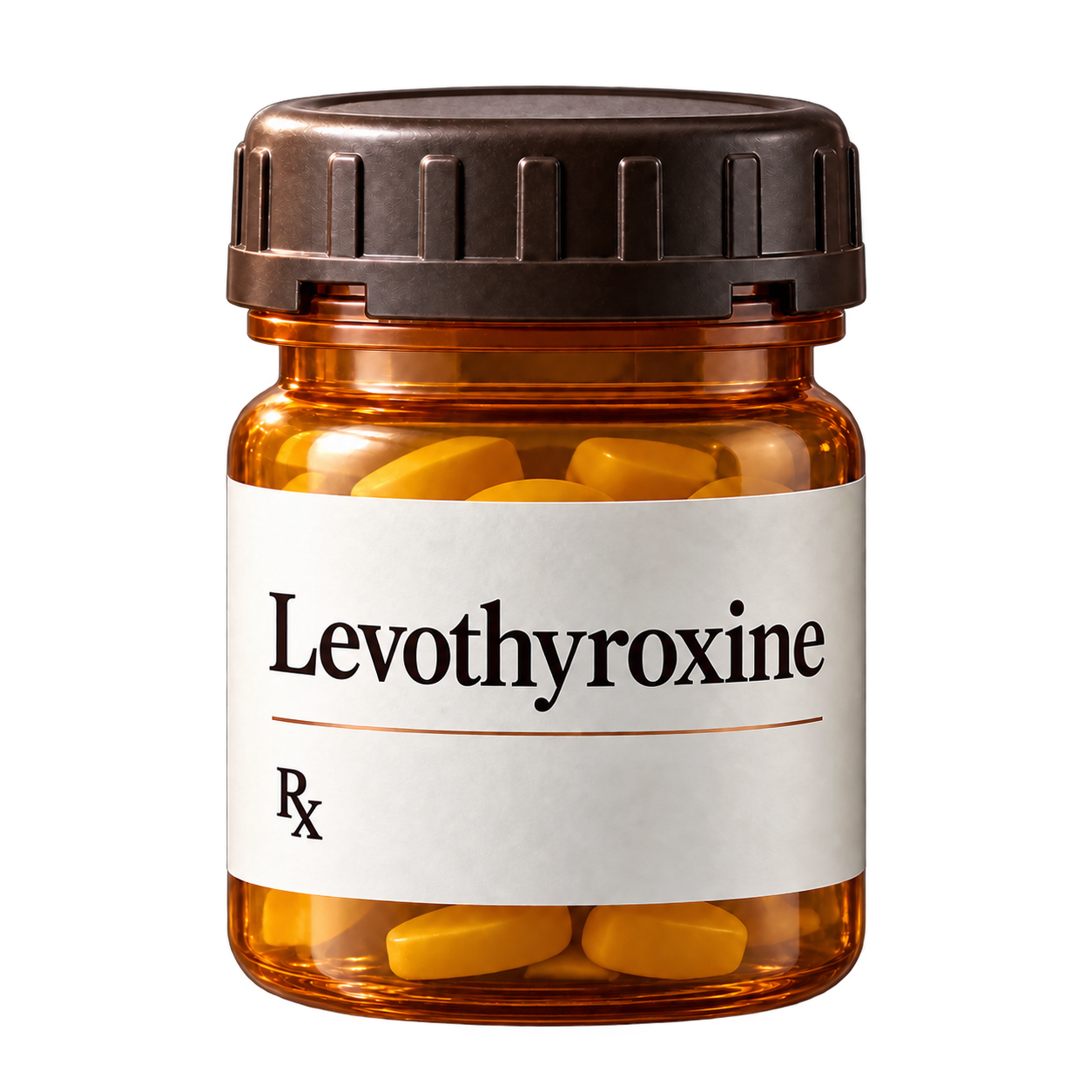
Synthroid (levothyroxine) is a thyroid hormone replacement used when your thyroid does not make enough hormone. It is prescribed for conditions like hypothyroidism and, in some cases, to help manage certain types of thyroid cancer after surgery. This guide explains what Synthroid does, who it may fit, key side effects, and how access and monitoring typically work. If you are exploring care options, Vitals Vault offers generic levothyroxine (the same active ingredient), with clinician review and follow-up.
- Synthroid is a brand of levothyroxine used to treat hypothyroidism and replace thyroid hormone.
- Levothyroxine is taken by mouth and is usually a long-term medication with periodic lab monitoring.
- Too much thyroid hormone can strain the heart and weaken bones, especially in older adults.
- Absorption can change with food and certain supplements, so consistent timing matters.
What Synthroid is
Brand name thyroid hormone
Synthroid is a brand-name tablet that contains levothyroxine, a synthetic form of thyroxine (T4), one of the main thyroid hormones your body normally makes. Levothyroxine is also available as FDA-approved generics. The goal is to replace missing hormone and normalize thyroid function tests.
What it is used for
Levothyroxine is FDA-approved to treat hypothyroidism, including primary (thyroid gland), secondary (pituitary), and tertiary (hypothalamic) hypothyroidism. It is also used as an adjunct to surgery and radioiodine therapy in certain patients with well-differentiated thyroid cancer.
Not a weight-loss drug
Thyroid hormones should not be used to treat obesity or for weight loss. Using higher-than-needed doses can cause serious or life-threatening effects, especially when combined with certain weight-loss medicines.
Brand vs generic
Synthroid is the brand name. Vitals Vault offers generic levothyroxine, the same active ingredient. If you switch between products, your clinician may recheck labs because small differences in exposure can matter for some people.
How Synthroid works in your body
Replaces T4 hormone
Levothyroxine provides T4, which your body can convert to T3 (triiodothyronine), the more active thyroid hormone in many tissues. Together, thyroid hormones help regulate energy use, temperature, heart rate, and many other functions.
Lowers high TSH
In most hypothyroidism, your pituitary gland releases more thyroid-stimulating hormone (TSH) to push the thyroid to work harder. When levothyroxine replaces missing hormone, TSH typically comes down toward your clinician’s target range.
Consistency affects absorption
Levothyroxine absorption can be reduced by food and by certain medicines and supplements. Taking it consistently the same way helps your clinician interpret labs and adjust therapy safely.
Who Synthroid is for
Hypothyroidism
Synthroid is commonly prescribed when you have hypothyroidism, meaning your thyroid does not make enough hormone. Symptoms can include fatigue, constipation, feeling cold, dry skin, and weight gain, but symptoms alone are not enough to diagnose it.
After thyroid removal or damage
You may need levothyroxine if your thyroid was removed (thyroidectomy) or damaged, for example after radioiodine therapy. In these cases, replacement is usually long term and guided by regular lab checks.
Certain thyroid cancers
In some people with well-differentiated thyroid cancer, levothyroxine may be used as part of care after surgery and radioiodine. The target TSH may be different than in routine hypothyroidism, so monitoring is individualized.
Pregnancy planning and pregnancy
Thyroid hormone needs can change during pregnancy, and untreated hypothyroidism can affect pregnancy outcomes. If you are pregnant or planning pregnancy, talk with a clinician promptly about testing and dose adjustments rather than changing medication on your own.
Who should not take Synthroid or needs extra caution
Uncorrected adrenal insufficiency
Levothyroxine is contraindicated in people with uncorrected adrenal insufficiency. Treating hypothyroidism without addressing adrenal insufficiency can trigger an adrenal crisis, which is a medical emergency.
Recent heart problems
If you have coronary artery disease, heart failure, arrhythmias, or you recently had a heart attack, thyroid hormone replacement may need to be started and adjusted cautiously. Too much thyroid hormone can increase heart rate and cardiac workload.
Older adults
Older adults are more likely to have heart disease and may be more sensitive to thyroid hormone. Clinicians often use careful titration and monitoring to reduce the risk of over-replacement.
Drug and supplement interactions
Some products can reduce absorption or change thyroid hormone levels, including calcium, iron, bile acid sequestrants, and certain acid-reducing medicines. Always share your full medication and supplement list with your clinician and pharmacist.
Urgent symptoms to act on
Seek urgent care for chest pain, severe shortness of breath, fainting, or a fast or irregular heartbeat. These can be signs of too much thyroid hormone or another serious condition that needs immediate evaluation.
What to expect with treatment
Monitoring with labs
Your clinician typically monitors thyroid function tests such as TSH and free T4 to guide therapy. Lab timing and targets depend on why you are taking levothyroxine, your age, pregnancy status, and other health conditions.
Dose adjustments happen over time
Levothyroxine is usually adjusted gradually based on symptoms and lab results. Because thyroid hormone affects many organs, the goal is to reach the right level for you without overshooting.
Consistency matters day to day
Taking levothyroxine inconsistently, switching products without telling your clinician, or changing how you take it with food or supplements can shift your thyroid levels. If you need to change brands or generics, ask whether follow-up labs are needed.
Long-term safety focus
The main long-term risks come from taking more thyroid hormone than you need, which can contribute to atrial fibrillation and bone loss. Regular follow-up helps reduce these risks.
Synthroid side effects and warnings
Symptoms of too much hormone
Most side effects happen when the dose is higher than your body needs and can look like hyperthyroidism. Possible symptoms include palpitations, fast heartbeat, nervousness, irritability, tremor, sweating, heat intolerance, diarrhea, and trouble sleeping. Contact your clinician if these occur, especially if they are new or worsening.
Chest pain or arrhythmia
Thyroid hormone can increase heart rate and cardiac workload. Call for urgent evaluation for chest pain, fainting, severe shortness of breath, or a fast or irregular heartbeat, particularly if you have known heart disease or are older.
Bone loss with over-replacement
Taking more levothyroxine than needed over time can reduce bone mineral density, especially in postmenopausal women. Keeping thyroid levels in the target range and doing periodic monitoring helps lower this risk.
Allergic reactions
Rarely, people can have hypersensitivity reactions to ingredients in the tablet. Get emergency help for swelling of the face or throat, trouble breathing, or widespread hives.
Boxed warning: not for weight loss
Levothyroxine has a boxed warning that thyroid hormones should not be used for weight loss in people with normal thyroid function. High doses can cause serious or life-threatening toxicity, especially with sympathomimetic amines.
Cost and access
What drives cost
Your cost depends on whether you use brand Synthroid or generic levothyroxine, your dose strength, pharmacy pricing, and insurance coverage. Some plans prefer generics or require prior authorization for certain brands.
Insurance coverage varies
Many insurance plans cover levothyroxine, but copays and preferred products differ. If you are stable on one product, ask your clinician and pharmacist how substitutions are handled and whether a refill could change manufacturers.
Vitals Vault pricing
If you are comparing options, current prices for our generic levothyroxine plan are shown on this page in the price block. Synthroid is the brand name; Vitals Vault offers generic levothyroxine, the same active ingredient, and does not imply dispensing brand Synthroid.
Access requires monitoring
Because thyroid hormone dosing is individualized, ongoing access usually involves periodic lab checks and follow-up. A clinician may ask for recent results before prescribing or renewing therapy.
How to get Synthroid or generic levothyroxine
- 1
Review your history
Gather your diagnosis, prior thyroid labs, current medications, and any heart or adrenal conditions to discuss with a clinician.
- 2
Get appropriate labs
A clinician may order or request recent thyroid labs to confirm need and guide safe dosing and follow-up.
- 3
Clinician evaluation
A licensed clinician reviews your health history and decides whether levothyroxine is appropriate for you.
- 4
Fill and follow up
If prescribed, take it consistently as directed and complete follow-up labs and check-ins to keep levels in range.
Frequently Asked Questions
What is Synthroid used for?
Synthroid (levothyroxine) is used to treat hypothyroidism, including primary, secondary, and tertiary hypothyroidism. It is also used as an adjunct to surgery and radioiodine therapy in certain patients with well-differentiated thyroid cancer.
What does Synthroid do?
Synthroid replaces thyroxine (T4), a thyroid hormone your body normally makes. Restoring thyroid hormone levels helps normalize thyroid function tests like TSH and can improve symptoms caused by low thyroid hormone.
What is Synthroid for?
Synthroid is for people who need thyroid hormone replacement because their thyroid does not make enough hormone or has been removed or damaged. A clinician uses symptoms and lab tests to decide whether it is appropriate and to monitor treatment.
Where is Synthroid manufactured?
Manufacturing location can vary by product and over time, and the most reliable source is the package labeling and the FDA-approved prescribing information for the specific product you receive. Your pharmacist can also tell you the manufacturer of the tablets dispensed to you.
Who makes Synthroid?
The manufacturer is listed in the FDA-approved prescribing information and on the product packaging for Synthroid. If you are taking generic levothyroxine, the manufacturer depends on the specific generic product your pharmacy dispenses.