
Sildenafil tadalafil: what they are and how they differ
Sildenafil and tadalafil treat erectile dysfunction by improving blood flow. Learn key differences, safety warnings, side effects, and how to access care.
Key facts
- Sildenafil is $69.67/month (billed $209 every 90 days), charged only after a clinician approves it.
- Answer a few health questions online. A licensed clinician reviews them. If approved, it ships to your door.
- Adults 18 or older. A licensed clinician reviews your health history and decides whether treatment is appropriate for you. Availability depends on the state you live in.
- A $20 clinician review, refunded if you don’t qualify.


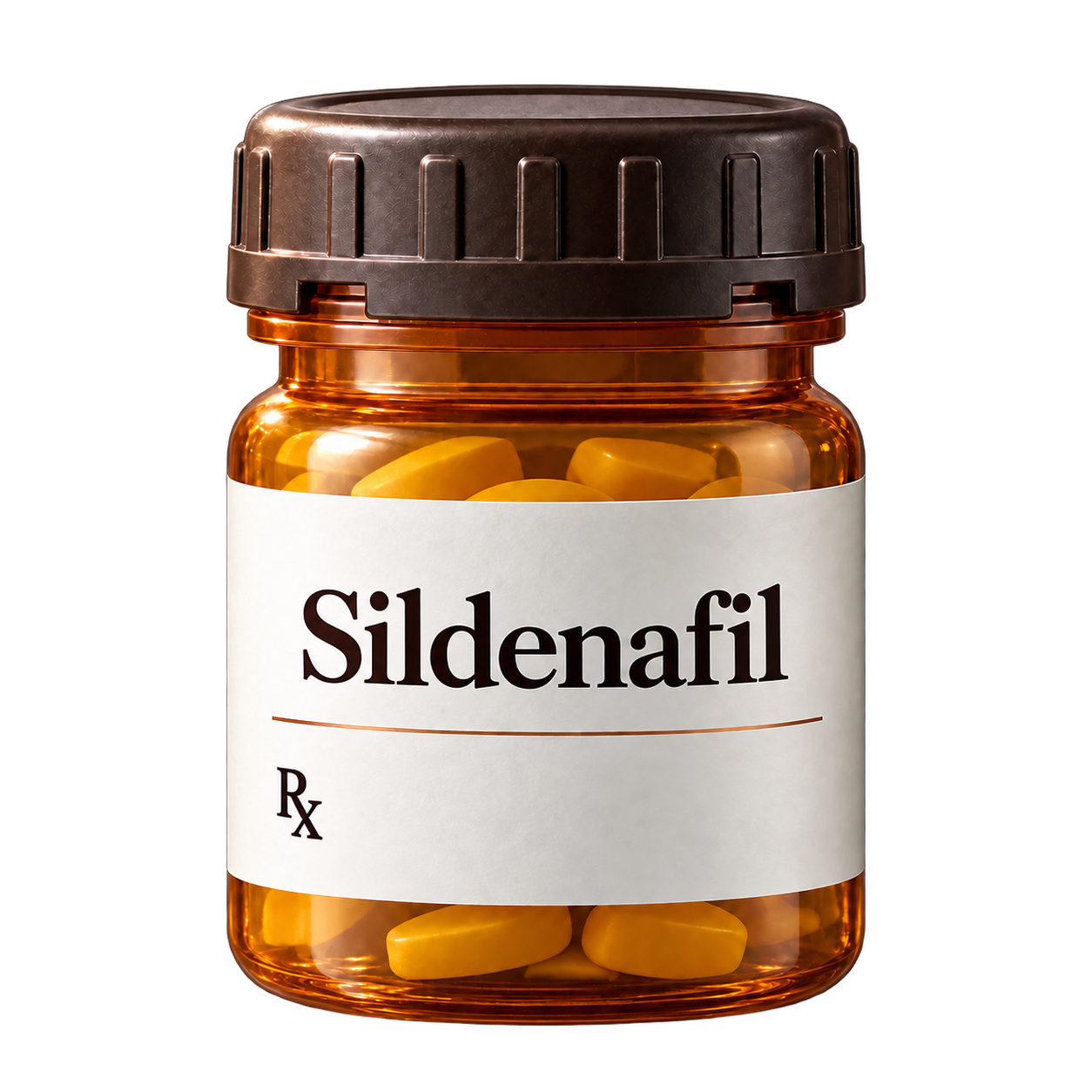
People search “sildenafil tadalafil” when they are comparing two common erectile dysfunction (ED) medicines. Both are prescription drugs in the PDE5 inhibitor class, but they differ in how long they last, how you time them, and some side effect details. This guide explains what to know before you choose between them and how to get evaluated safely. If you use Vitals Vault, a licensed clinician reviews your health history to decide whether treatment fits you.
- Sildenafil tadalafil usually refers to two ED medicines that improve erections by increasing penile blood flow.
- Do not take either with nitrates, and use caution with alpha-blockers due to low blood pressure risk.
- Tadalafil can last longer in the body than sildenafil, which can affect timing and side effects.
- Erectile dysfunction can be an early sign of cardiovascular disease, so a health review matters.
What sildenafil and tadalafil are
Two ED prescription options
Sildenafil and tadalafil are oral prescription medications used to treat erectile dysfunction. They belong to the same drug class, phosphodiesterase type 5 (PDE5) inhibitors, but they are different drugs with different timing and duration. Sildenafil is also used for pulmonary arterial hypertension under a different brand and dosing regimen.
Not an aphrodisiac
These medicines do not increase sexual desire on their own. They help your body respond to sexual stimulation by supporting the blood flow changes needed for an erection. If low desire, pain, anxiety, or relationship factors are the main issue, a clinician may suggest different evaluation or treatment.
ED can be a health signal
Erectile dysfunction can be related to blood vessel and heart health because erections depend on healthy circulation. For some people, ED is an early sign of cardiovascular disease risk factors such as high blood pressure, diabetes, or high cholesterol. A clinician visit is a chance to check for contributing conditions.
- Drug class
- PDE5 inhibitors (sildenafil and tadalafil)
- Main FDA-approved use discussed here
- Erectile dysfunction (ED)
- How they are taken
- Oral tablets
- Key safety interaction
- Do not use with nitrates due to severe low blood pressure risk
How they work
They boost nitric oxide signaling
During sexual stimulation, your body releases nitric oxide in penile tissue, which increases cyclic guanosine monophosphate (cGMP) and relaxes smooth muscle. PDE5 inhibitors block the PDE5 enzyme that breaks down cGMP, helping maintain the blood flow needed for an erection. This effect is why combining them with nitrate medicines can dangerously lower blood pressure.
Same mechanism, different timing
Sildenafil and tadalafil work through the same pathway, but they differ in how quickly they start and how long they last in the body. Those differences can affect how you plan dosing relative to sexual activity and how long side effects may persist. Your clinician can help match the option to your preferences and medical history.
They do not fix every cause
ED can involve blood flow, nerve function, hormones, medications, mental health, and relationship factors. PDE5 inhibitors mainly address the blood flow component, so they may work less well if the underlying issue is severe nerve damage, very low testosterone, or uncontrolled medical conditions. A full evaluation helps set realistic expectations.
Who it is for
Adults with erectile dysfunction
Sildenafil and tadalafil are commonly prescribed for adult men with erectile dysfunction, including ED related to diabetes, high blood pressure, or other medical conditions. A clinician will typically review symptoms, medications, and cardiovascular risk before prescribing. The goal is to choose an option that is effective and safe for you.
People who want flexible timing
Some people prefer a shorter-acting option they take around anticipated sexual activity, while others prefer a longer duration that can allow more flexibility. Tadalafil tends to remain active longer in the body than sildenafil, which may matter if you want a wider window of effect. Your clinician can help you weigh convenience against side effects and interactions.
People who can avoid key interactions
These medicines can be a fit when you are not taking nitrates and can use them safely with your other medications. If you take blood pressure medicines, alpha-blockers, or certain antifungals or antibiotics, your clinician may adjust the plan or choose a different approach. Always share your full medication list, including supplements.
People who want evaluation first
If your erections changed suddenly, you have pain, curvature, or symptoms of low testosterone, you may need a targeted workup. Labs and a clinician review can help identify contributors like diabetes, thyroid disease, or hormone issues. Treating those conditions may improve ED and overall health.
Who should not take sildenafil or tadalafil
Anyone using nitrates
Do not take sildenafil or tadalafil if you use nitrate medications such as nitroglycerin (tablets, spray, patch, or ointment) or isosorbide products. The combination can cause a dangerous drop in blood pressure. This includes nitrates used for chest pain and some recreational “poppers” that contain amyl nitrite or butyl nitrite.
Certain heart conditions
If you have unstable angina, uncontrolled arrhythmias, severe heart failure, or were told to avoid sexual activity due to cardiovascular risk, you may not be a candidate until your condition is stabilized. ED treatment decisions often depend on your ability to safely tolerate sexual activity. A clinician may coordinate with your cardiology care.
Recent serious cardiovascular events
If you recently had a heart attack or stroke, you may need to wait and be medically cleared before using a PDE5 inhibitor. The exact timing depends on your overall stability and risk factors. Seek urgent care for chest pain, shortness of breath, or neurologic symptoms rather than trying to manage ED symptoms.
Severe low blood pressure risk
These medicines can lower blood pressure, so they may be unsafe if you have symptomatic low blood pressure or are prone to fainting. They also require caution if you take alpha-blockers for prostate symptoms or blood pressure, because the combination can increase dizziness or fainting risk. Your prescriber may adjust timing or dosing to reduce risk.
Allergy to the medication
Do not take sildenafil or tadalafil if you have had a hypersensitivity reaction to that drug or any of its ingredients. Signs can include rash, swelling, or trouble breathing. Get emergency help for severe allergic symptoms.
What to expect if you use them
Onset and duration differ
Both medicines are taken by mouth, but tadalafil generally lasts longer in the body than sildenafil. That difference can affect how far in advance you take it and how long you may notice effects or side effects. Your prescriber will guide you on timing based on the product and your health history.
Food and alcohol can matter
A high-fat meal can delay absorption of sildenafil, which may make it feel like it takes longer to work. Alcohol can worsen dizziness and low blood pressure symptoms and can also make erections harder to achieve. If you notice inconsistent results, tell your clinician so they can troubleshoot safely.
You still need stimulation
PDE5 inhibitors support the physical process of getting an erection, but they do not automatically cause one. Sexual stimulation is still required for the medication to have its intended effect. If you do not respond, it does not always mean the medication is wrong, but it does mean you should reassess with a clinician.
Follow-up is part of safe use
A clinician may check blood pressure, review side effects, and reassess cardiovascular risk and other contributors to ED over time. If ED is related to diabetes, sleep apnea, depression, or medication side effects, addressing those factors can improve outcomes. Tell your clinician about any new chest pain, vision changes, or prolonged erections.
Side effects and warnings
Headache and flushing
Headache and facial flushing are among the most common side effects of PDE5 inhibitors. They happen because the drugs affect blood vessel relaxation in other parts of the body, not just the penis. If headaches are frequent or severe, a clinician may adjust the plan or consider an alternative.
Nasal congestion and indigestion
Stuffy nose, heartburn, and upset stomach can occur with sildenafil or tadalafil. These effects are usually mild, but they can be bothersome if you already have reflux or sinus issues. Tell your prescriber if symptoms interfere with daily life or sleep.
Back pain or muscle aches
Back pain and muscle aches are reported more often with tadalafil than sildenafil. The exact reason is not fully understood, but it may relate to effects on other phosphodiesterase enzymes. If pain is significant or persistent, seek clinician guidance rather than repeatedly re-dosing.
Low blood pressure and fainting
Dizziness, lightheadedness, or fainting can occur, especially if you combine a PDE5 inhibitor with alcohol, alpha-blockers, or other blood pressure lowering medicines. This risk is higher if you are dehydrated or already prone to low blood pressure. Get urgent help if you pass out or have chest pain.
Priapism (prolonged erection)
Priapism is an erection lasting longer than 4 hours and is a medical emergency because it can damage penile tissue. Stop sexual activity and seek emergency care if this happens. Tell your clinician if you have conditions that increase priapism risk, such as sickle cell disease or certain blood cancers.
Sudden vision or hearing loss
Rare cases of sudden decrease or loss of vision (including NAION, non-arteritic anterior ischemic optic neuropathy) and sudden hearing loss have been reported with PDE5 inhibitors. Stop the medication and seek urgent medical evaluation if you notice sudden vision changes, ringing in the ears, or hearing loss. Risk may be higher if you have certain eye conditions or vascular risk factors.
Cost and access
What drives the cost
Cost depends on whether you use sildenafil or tadalafil, the dose and quantity prescribed, and where you fill the prescription. Generic versions are typically less expensive than brand-name products, but pricing can still vary by pharmacy and location. Some plans require prior authorization or limit quantities.
Insurance coverage varies
Many insurance plans treat ED medications as lifestyle drugs and may not cover them, or they may cover only limited quantities. Even when covered, your copay can depend on the plan’s formulary and whether a generic is required. Ask your insurer what is covered for erectile dysfunction treatment.
Current prices on this page
If you are comparing options, it helps to look at the current catalog prices shown on this page for the sildenafil plan. A clinician visit is still important because safety depends on your heart health and medication interactions. If sildenafil is not a fit, a clinician can discuss alternatives.
How to get sildenafil safely
- 1
Complete an intake
Share your symptoms, medical history, and a complete medication list, including nitrates and supplements.
- 2
Clinician review
A licensed clinician reviews your health history and decides whether sildenafil is appropriate for you.
- 3
Consider labs if needed
If ED may relate to hormones or metabolic health, a clinician may ask for recent lab results.
- 4
Fill and follow up
If prescribed, follow the plan and check in about side effects, effectiveness, and any new health changes.
Frequently Asked Questions
What does sildenafil tadalafil mean?
Most often, “sildenafil tadalafil” means you are comparing two different ED medications in the same class (PDE5 inhibitors). They work similarly but differ in how long they last and how you time them. A clinician can help you choose based on your health and preferences.
Can you take sildenafil and tadalafil together?
Do not combine sildenafil and tadalafil unless a licensed clinician specifically instructs you to, because combining can increase side effects like low blood pressure. If one option is not working, the safer next step is to review timing, interactions, and underlying causes with a clinician. The FDA labels emphasize avoiding unsafe combinations that lower blood pressure.
Which is safer, sildenafil or tadalafil?
Neither is universally “safer” because risk depends on your medical history and other medications. Both have important warnings, especially around nitrates and low blood pressure. A clinician can assess cardiovascular risk and interactions to decide which is safer for you.
What should you avoid while taking sildenafil or tadalafil?
Avoid nitrates and recreational nitrites (“poppers”) because the combination can cause dangerous low blood pressure. Use caution with alcohol and with alpha-blockers or other blood pressure medicines, since dizziness or fainting can occur. Always tell your prescriber about all medications and supplements.
How much does sildenafil cost through Vitals Vault?
Cost depends on the plan details and what is included, and prices can change over time. Current catalog prices are shown on this page in the price block, so you can see up-to-date options without relying on estimates. A clinician still decides whether sildenafil is appropriate for you.