
Sildenafil 30 mg: what it is and how to use it
Sildenafil 30 mg is an ED medication dose option. Learn how it works, who should avoid it, the side effects and interactions, and how to get it.
Key facts
- Sildenafil is $69.67/month (billed $209 every 90 days), charged only after a clinician approves it.
- Answer a few health questions online. A licensed clinician reviews them. If approved, it ships to your door.
- Adults 18 or older. A licensed clinician reviews your health history and decides whether treatment is appropriate for you. Availability depends on the state you live in.
- A $20 clinician review, refunded if you don’t qualify.


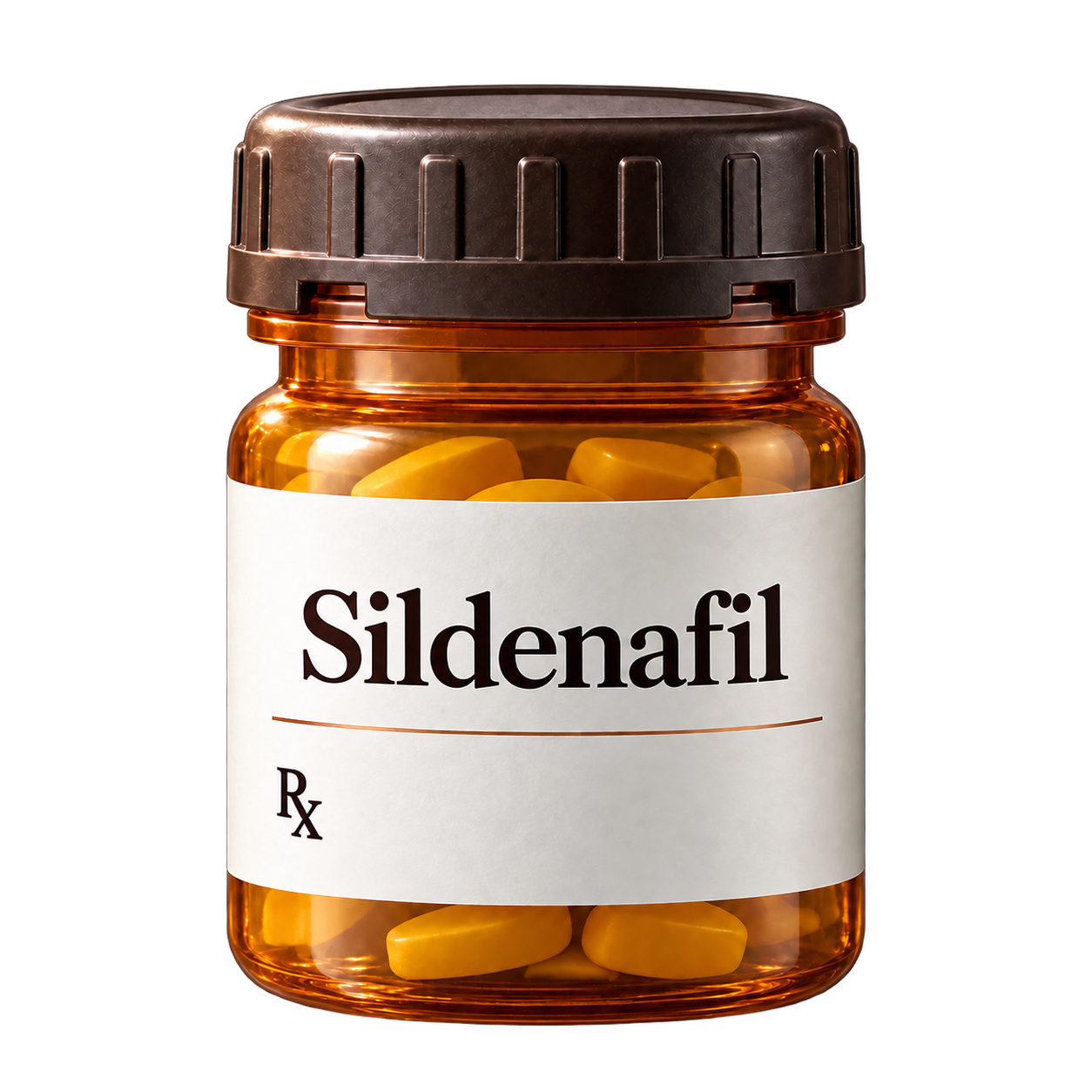
Sildenafil 30 mg refers to a specific dose strength of sildenafil, a prescription medicine used to treat erectile dysfunction (ED). If you are seeing this dose online, the key question is whether sildenafil is safe for you and how to use it responsibly. Vitals Vault can help you connect with a licensed clinician to review your health history, medications, and goals, and decide whether sildenafil fits.
- Sildenafil 30 mg is a dose option of sildenafil used for erectile dysfunction (ED).
- It works by enhancing blood flow to the penis during sexual stimulation.
- Do not use sildenafil with nitrates or riociguat due to dangerous low blood pressure risk.
- Seek urgent care for chest pain, sudden vision loss, sudden hearing loss, or an erection lasting over 4 hours.
- Current prices, if available, are shown on this page in the price block.
What sildenafil 30 mg is
A prescription ED medication
Sildenafil is a phosphodiesterase type 5 (PDE5) inhibitor used to treat erectile dysfunction. It does not create sexual desire, and it does not work without sexual stimulation. Sildenafil is available in multiple dose strengths, including 25 mg, 50 mg, and 100 mg tablets for ED.
A dose strength, not a brand
Sildenafil 30 mg describes the amount of sildenafil in a single dose. Many people recognize the brand name Viagra, but sildenafil is also available as an FDA-approved generic. The right dose is individualized by a clinician based on response, side effects, and medical risk factors.
Not the same as pulmonary sildenafil
Sildenafil is also used under different dosing for pulmonary arterial hypertension (PAH). ED dosing and PAH dosing are not interchangeable. If you have PAH or take PAH medicines, discuss this specifically with your prescriber before using sildenafil for ED.
How sildenafil works
Boosts the nitric oxide pathway
During sexual stimulation, your body releases nitric oxide, which increases cyclic GMP (cGMP) and relaxes smooth muscle in penile blood vessels. Sildenafil inhibits PDE5, the enzyme that breaks down cGMP. This helps maintain the blood flow changes needed for an erection.
Can lower blood pressure
Because it affects blood vessels, sildenafil can lower blood pressure. This is usually mild in healthy people, but it can become dangerous when combined with nitrates or certain other medicines. Tell your clinician about all prescription drugs, over-the-counter products, and supplements you use.
Does not fix the root cause
ED can be related to blood vessel disease, diabetes, low testosterone, medication side effects, stress, or relationship factors. Sildenafil can improve erections, but it does not treat every underlying contributor. A clinician can help decide whether you also need evaluation for cardiovascular risk or hormone issues.
Who sildenafil 30 mg may be for
Adults with erectile dysfunction
Sildenafil is FDA-approved for erectile dysfunction in adult men. ED means you have trouble getting or keeping an erection firm enough for sex. If ED is new, worsening, or happening along with shortness of breath or chest symptoms, it is worth discussing broader heart and blood vessel health with a clinician.
People needing a tailored dose
Some people do not need the highest available dose to get benefit, or they may be sensitive to side effects like flushing or headache. A clinician may adjust dose based on how well it works for you, your age, other health conditions, and other medications.
People who can plan ahead
Sildenafil for ED is typically taken before sexual activity rather than as a daily medication. If you prefer more spontaneity or a longer window of effect, a clinician may discuss other PDE5 inhibitors. The best choice depends on your health profile and preferences.
Who should not take sildenafil
Anyone using nitrates
Do not take sildenafil if you use nitrates for chest pain, including nitroglycerin in any form or isosorbide products. The combination can cause a dangerous drop in blood pressure. If you have chest pain after taking sildenafil, seek emergency care and tell responders you used a PDE5 inhibitor.
People taking riociguat
Do not use sildenafil with riociguat, a medicine used for certain types of pulmonary hypertension. The combination can significantly lower blood pressure. Your prescriber can help you choose safer alternatives if you take riociguat.
Certain heart conditions or activity limits
Sexual activity increases physical exertion. If a clinician has told you to avoid sexual activity due to heart disease, recent heart attack or stroke, or unstable symptoms, sildenafil may not be appropriate until you are medically cleared. Discuss your cardiovascular history before using ED medications.
Severe low blood pressure or dehydration
Sildenafil can lower blood pressure, so it may be unsafe if you already have low blood pressure or are volume depleted. This can happen with severe vomiting or diarrhea, heavy alcohol use, or certain diuretics. A clinician can help assess your risk and review interacting medications.
Allergy to sildenafil
Do not take sildenafil if you have had an allergic reaction to sildenafil or any ingredient in the product. Signs can include rash, itching, swelling, dizziness, or trouble breathing. Seek urgent care for symptoms of a severe allergic reaction.
What to expect with sildenafil 30 mg
Timing and duration vary
Sildenafil is taken before sexual activity, and its onset and duration can vary by person. Food, especially a high-fat meal, can delay how quickly it starts working. If you want help comparing timing across options, discuss this with a clinician.
You still need stimulation
Sildenafil supports the physical process of getting an erection, but it does not cause an automatic erection. Sexual stimulation is still required for it to work. If you have low desire, pain with sex, or anxiety, those factors may need separate attention.
Dose adjustments are clinician-led
If a dose feels too strong or not effective enough, do not self-adjust. A clinician can review side effects, other medications, and medical conditions that change sildenafil exposure, such as liver or kidney problems. They can also check for causes of ED that need treatment beyond a PDE5 inhibitor.
ED can signal other health issues
For some people, ED is an early sign of blood vessel disease. If you have risk factors like diabetes, high blood pressure, high cholesterol, smoking, or a strong family history of heart disease, consider a broader health review. Addressing underlying risk can improve both sexual and overall health.
Side effects and warnings
Headache
Headache is one of the most common side effects with sildenafil. It is related to blood vessel effects and may be more noticeable when you are dehydrated or drink alcohol. If headaches are severe, persistent, or come with neurologic symptoms, contact a clinician.
Flushing and warmth
Facial flushing or a warm feeling can happen because sildenafil relaxes blood vessels. This is usually temporary. If you also feel faint, have chest symptoms, or have severe dizziness, seek medical advice promptly.
Indigestion or nausea
Some people notice upset stomach or indigestion. Taking sildenafil exactly as prescribed and avoiding heavy alcohol may help. Persistent vomiting, severe abdominal pain, or black stools should be evaluated urgently.
Vision changes
Sildenafil can cause changes in color vision or blurred vision in some people. Rarely, sudden vision loss can occur and may be a sign of non-arteritic anterior ischemic optic neuropathy (NAION). Stop sexual activity and seek urgent medical care for sudden vision loss.
Priapism
Priapism is an erection lasting more than 4 hours. It is a medical emergency because it can damage penile tissue and cause permanent erectile problems. Get emergency care right away if an erection lasts over 4 hours, whether or not it is painful.
Low blood pressure and fainting
Sildenafil can lower blood pressure, which may cause dizziness or fainting, especially when combined with nitrates, alpha-blockers, alcohol, or certain blood pressure medicines. Seek urgent care for severe dizziness, fainting, or chest pain. Always tell clinicians you have taken sildenafil if you need emergency care.
Cost and access
What drives the cost
The cost of sildenafil can vary based on dose strength, quantity, pharmacy pricing, and whether you use insurance or pay cash. Generic sildenafil is often priced differently than brand-name options. Current prices, when available, are shown on this page in the price block.
Insurance coverage varies
Coverage for ED medications varies widely by plan. Some plans limit quantity, require prior authorization, or exclude ED drugs. If you have coverage, your clinician or pharmacy can help check what your plan allows.
Clinician visit and safety review
Access is not only about the medication. A safe plan includes screening for contraindications, reviewing interacting medications, and discussing heart risk and other contributors to ED. In some cases, a clinician may request recent labs before prescribing.
Why labs may be suggested
ED can overlap with hormone issues, diabetes, lipid problems, and other conditions that affect blood vessels. Labs do not diagnose ED, but they can help you and a clinician understand possible contributors and guide next steps. If symptoms are sudden or severe, urgent care is more appropriate than ordering labs.
How to get sildenafil 30 mg safely
- 1
Review your health history
List your medical conditions, heart history, and any prior ED treatments or side effects.
- 2
Share a complete medication list
Include nitrates, alpha-blockers, blood pressure medicines, and any supplements.
- 3
Talk with a licensed clinician
A clinician can confirm whether sildenafil is appropriate and choose a dose based on safety and response.
- 4
Follow up if anything changes
Report new chest symptoms, fainting, vision or hearing changes, or inadequate response so your plan can be reassessed.
Frequently Asked Questions
What is sildenafil 30 mg used for?
Sildenafil 30 mg is a dose strength of sildenafil used to treat erectile dysfunction (ED). It helps you get and keep an erection when you are sexually stimulated. A clinician decides whether this dose is appropriate based on safety and response.
Is sildenafil 30 mg the same as Viagra?
Viagra is a brand name for sildenafil. Sildenafil is also available as an FDA-approved generic, which contains the same active ingredient. The dose strength and directions matter more than the brand name.
Can I take sildenafil 30 mg with blood pressure medicine?
Some blood pressure medicines can be used with sildenafil, but the combination may increase dizziness or low blood pressure in some people. Nitrates and riociguat must not be combined with sildenafil. A clinician should review your full medication list for interactions.
What are the most serious side effects to watch for with sildenafil 30 mg?
Get emergency care for chest pain, sudden vision loss, sudden hearing loss, or an erection lasting more than 4 hours. Severe dizziness or fainting can also be a sign of dangerously low blood pressure. Tell emergency clinicians you have taken sildenafil.
How much does sildenafil 30 mg cost?
Cost depends on the dose strength, quantity, pharmacy pricing, and whether insurance covers ED medications. If a price block appears on this page, it shows current prices from the catalog without you needing to estimate. A clinician visit and safety review are also part of access.