
Saxenda (liraglutide): what it is and safety
Saxenda is a brand of liraglutide for chronic weight management with diet and activity. See who may fit, key risks, and how access works.
Key facts
- Semaglutide + B12 is $157/month (billed $157 every 4 weeks), charged only after a clinician approves it.
- Answer a few health questions online. A licensed clinician reviews them. If approved, it ships to your door.
- Adults 18 or older. A licensed clinician reviews your health history and decides whether treatment is appropriate for you. Availability depends on the state you live in.
- A $20 clinician review, refunded if you don’t qualify.


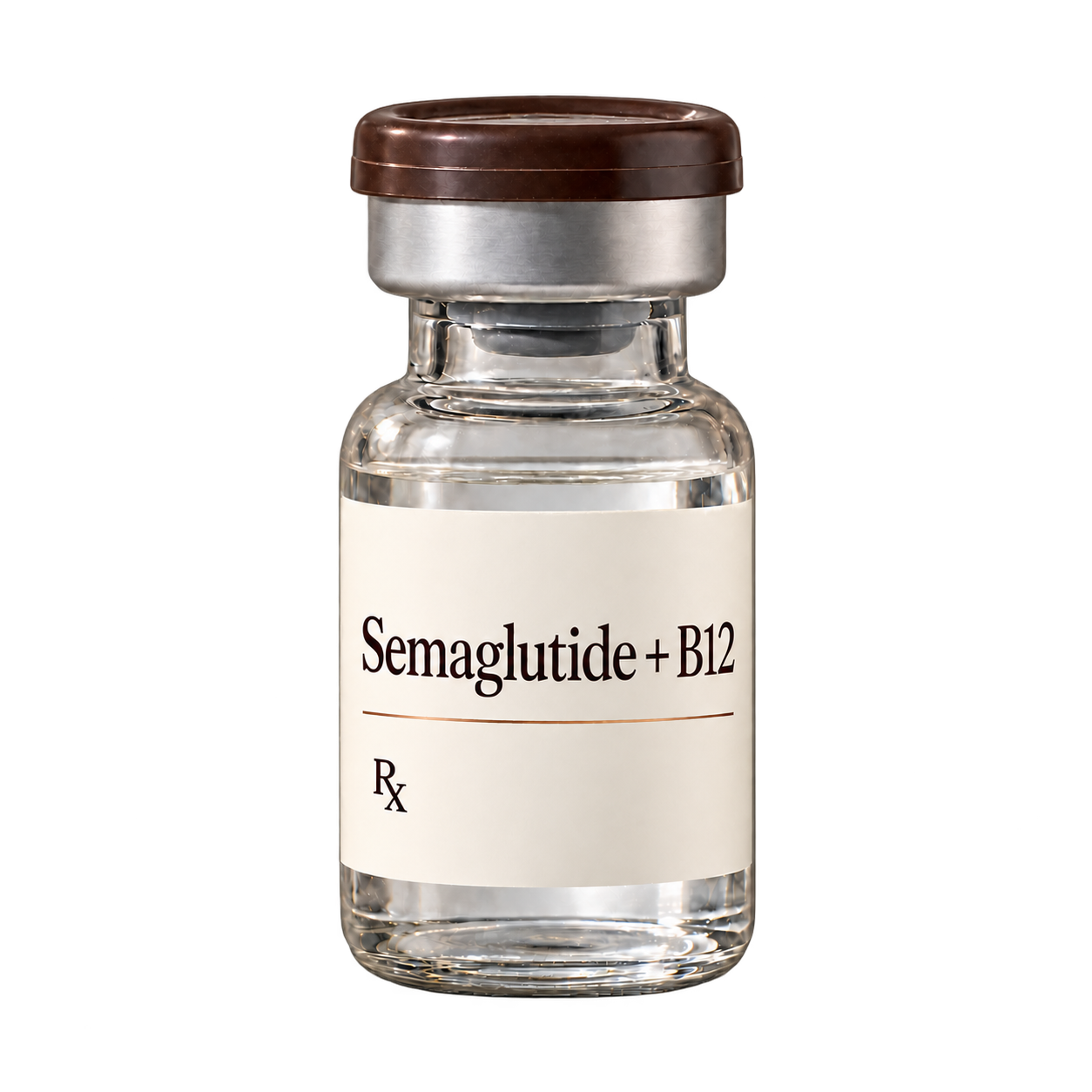
Saxenda (liraglutide) is a prescription GLP-1 receptor agonist used for chronic weight management in certain adults and some adolescents, alongside reduced-calorie diet and increased physical activity. It is given by injection and has specific safety warnings and situations where it should not be used. If you are comparing options, Vitals Vault can connect you with clinician-guided care for liraglutide (compounded) when appropriate.
- Saxenda is a brand of liraglutide used for chronic weight management with diet and activity.
- Vitals Vault offers liraglutide (compounded), not the Saxenda brand product.
- Saxenda is an injection, not tablets.
- Common side effects include nausea, vomiting, diarrhea, constipation, and decreased appetite.
- Serious risks include thyroid C-cell tumors, pancreatitis, gallbladder disease, kidney injury, and low blood sugar.
What Saxenda is
Brand name and ingredient
Saxenda is the brand name for liraglutide. Liraglutide is a GLP-1 receptor agonist, a medication class that affects appetite and blood sugar regulation. Saxenda is specifically labeled for chronic weight management, not diabetes treatment.
What it is used for
Saxenda is FDA-approved for chronic weight management in adults with obesity or overweight with at least one weight-related condition, and in certain adolescents with obesity. It is intended to be used with a reduced-calorie diet and increased physical activity.
Not a tablet
Saxenda is administered by injection. It is not available as an oral tablet, and you should be cautious about any website claiming to sell Saxenda tablets.
Compounded liraglutide is different
Compounded liraglutide is prepared by a pharmacy for an individual prescription and is not FDA-approved. It is not the same as the Saxenda brand product and should not be described as a generic of Saxenda.
- Drug class
- GLP-1 receptor agonist (liraglutide)
- FDA-approved use
- Chronic weight management with diet and physical activity
- Form
- Injection (prefilled pen per FDA label)
How Saxenda works
Mimics a gut hormone
Liraglutide acts like glucagon-like peptide-1 (GLP-1), a hormone your body releases after eating. GLP-1 signaling can increase feelings of fullness and reduce hunger, which may help support lower calorie intake over time.
Slows stomach emptying
Saxenda can slow how quickly food leaves your stomach, especially early in treatment. This can contribute to nausea and a feeling of fullness. It can also affect how quickly some oral medicines are absorbed.
Affects blood sugar regulation
GLP-1 receptor agonists can influence insulin and glucagon, hormones involved in blood sugar control. Even when used for weight management, this is one reason low blood sugar can occur, especially if combined with certain diabetes medications.
Who Saxenda may be for
Adults with obesity
Saxenda is labeled for adults with obesity (a body mass index of 30 kg/m² or higher). It is intended for long-term weight management alongside diet and physical activity.
Adults with overweight plus a condition
It is also labeled for adults with overweight (BMI 27 kg/m² or higher) who also have at least one weight-related condition, such as high blood pressure, type 2 diabetes, or abnormal cholesterol.
Some adolescents with obesity
Saxenda is labeled for certain adolescents ages 12 to 17 with obesity who meet the product label criteria. A pediatric clinician should guide evaluation, monitoring, and family support.
People who can commit to follow-up
Because side effects and dose adjustments are common early on, Saxenda works best when you can follow up with a clinician. Monitoring helps address nausea, hydration, and warning symptoms promptly.
Who should not take Saxenda
Personal or family MTC
Do not use Saxenda if you have a personal or family history of medullary thyroid carcinoma (MTC). This is tied to the boxed warning about thyroid C-cell tumors.
MEN 2
Do not use Saxenda if you have Multiple Endocrine Neoplasia syndrome type 2 (MEN 2). This is a rare inherited condition associated with endocrine tumors.
Allergy to liraglutide
Do not use Saxenda if you have had a serious hypersensitivity reaction to liraglutide or any component of the product. Seek urgent care for symptoms like swelling of the face or throat, trouble breathing, or severe rash.
Pregnancy
Saxenda is not recommended during pregnancy because weight loss offers no benefit in pregnancy and may cause fetal harm. If you become pregnant while using it, contact your prescribing clinician promptly.
What to expect with Saxenda
A gradual dose increase
Saxenda is started at a lower dose and increased over time to reduce side effects, especially nausea. Your prescriber will set the schedule and may slow increases if you have bothersome symptoms.
Early stomach side effects
Nausea, vomiting, diarrhea, constipation, and stomach discomfort are common, especially during dose escalation. Eating smaller meals, avoiding high-fat meals, and staying hydrated may help, but you should report persistent vomiting or dehydration.
Ongoing lifestyle support matters
Saxenda is intended to be used with a reduced-calorie diet and increased physical activity. Many people benefit from structured nutrition and activity planning, sleep support, and follow-up visits to address barriers.
Injection basics
Saxenda is injected under the skin. The FDA label and Instructions for Use describe approved injection sites and how to use the pen, and your clinician or pharmacist should show you how to use it safely.
Saxenda side effects and warnings
Nausea and vomiting
Nausea is one of the most common side effects and is often most noticeable during dose increases. Vomiting can lead to dehydration, which can worsen kidney problems. Contact your clinician if you cannot keep fluids down.
Diarrhea or constipation
Changes in bowel habits are common with GLP-1 medicines. Hydration and gradual diet adjustments may help, but persistent diarrhea, severe constipation, or signs of dehydration should be discussed with your clinician.
Decreased appetite and indigestion
Reduced appetite and stomach upset can occur because liraglutide affects fullness and stomach emptying. If you are eating much less than usual, ask about strategies to maintain nutrition while managing symptoms.
Thyroid C-cell tumor warning
Saxenda has a boxed warning because liraglutide caused thyroid C-cell tumors in rodents. It is unknown whether it causes these tumors in humans. Do not use Saxenda with a personal or family history of MTC or with MEN 2, and report a neck lump, hoarseness, or trouble swallowing.
Pancreatitis
Acute pancreatitis has been reported with liraglutide. Seek urgent evaluation for severe, persistent abdominal pain, with or without vomiting, especially if the pain radiates to your back. Your clinician will decide whether Saxenda should be stopped.
Gallbladder disease
Gallbladder problems, including gallstones and inflammation, have been reported with liraglutide and with weight loss. Contact your clinician for upper right abdominal pain, fever, yellowing of the skin or eyes, or clay-colored stools.
Kidney injury
Acute kidney injury and worsening chronic kidney disease have been reported, sometimes in the setting of nausea, vomiting, or diarrhea leading to dehydration. If you have kidney disease or develop dehydration symptoms, your clinician may monitor you more closely.
Low blood sugar
Low blood sugar can occur, especially if Saxenda is used with insulin or medicines that increase insulin release (such as sulfonylureas). Symptoms can include shakiness, sweating, fast heartbeat, hunger, and confusion. Your clinician may adjust other diabetes medicines to reduce risk.
Increased heart rate
Liraglutide can increase resting heart rate. Tell your clinician if you notice a persistent racing heartbeat or palpitations, especially if you have heart rhythm conditions.
Suicidal thoughts or behavior
The label advises monitoring for depression or suicidal thoughts. Contact a clinician promptly if you notice new or worsening mood symptoms, and seek emergency help for thoughts of self-harm.
Severe allergic reactions
Serious hypersensitivity reactions, including anaphylaxis and angioedema, have been reported. Get emergency care for swelling of the face, lips, tongue, or throat, trouble breathing, or severe rash.
Cost and access for Saxenda and liraglutide
Brand versus compounded access
Saxenda is a brand product, while compounded liraglutide is prepared by a pharmacy for an individual prescription and is not FDA-approved. Availability, pharmacy networks, and prior authorization rules can differ between brand and compounded options.
What drives out-of-pocket cost
Your cost is usually driven by whether your plan covers weight management medicines, whether prior authorization is required, and whether you have a deductible or coinsurance. Cash-pay pricing can vary by pharmacy and by the care model that includes clinician follow-up.
Insurance coverage varies widely
Some employer plans cover anti-obesity medications, while others exclude them. Even when covered, plans may require documentation of BMI, weight-related conditions, and prior attempts at lifestyle changes.
Where to see current prices here
If pricing is available for the care option on this page, current prices are shown in the price block. Those prices can change based on availability and plan design.
How to get Saxenda or compounded liraglutide safely
- 1
Start with a medical intake
Share your health history, current medications, and weight-related goals so a clinician can assess safety and fit.
- 2
Review labs if needed
A clinician may ask for recent lab results before prescribing, especially if you have diabetes or kidney concerns.
- 3
Discuss options and risks
Review expected benefits, common side effects, serious warning signs, and what follow-up will look like.
- 4
Fill through a legitimate pharmacy
Use a licensed pharmacy and avoid sites that sell prescription GLP-1 medicines without a prescription or that advertise Saxenda tablets.
Frequently Asked Questions
What is liraglutide?
Liraglutide is the active ingredient in Saxenda and is in the GLP-1 receptor agonist drug class. It is used for chronic weight management (Saxenda) and, in a different product, for type 2 diabetes (Victoza).
What is the liraglutide brand name?
Liraglutide is sold under different brand names depending on the indication. For chronic weight management, the brand name is Saxenda; for type 2 diabetes, a different liraglutide product is Victoza.
Is there a Saxenda generic?
Saxenda is a brand product of liraglutide. Compounded liraglutide is not a generic and is not FDA-approved because it is prepared by a pharmacy for an individual prescription.
What affects Saxenda price?
Cost is usually driven by insurance coverage for weight management medicines, prior authorization requirements, and your deductible or coinsurance. If pricing is available for the care option on this page, current prices are shown in the price block.
Can you buy Saxenda online safely?
Safe access requires a prescription and a licensed pharmacy. Avoid sites that sell GLP-1 medicines without a prescription or advertise Saxenda tablets, since Saxenda is an injection per the FDA label.