
Phentermine hcl 37.5 mg: what it is
Phentermine hcl 37.5 mg is a short term prescription weight loss medicine. Learn who it is for, key risks, side effects, and access.
Key facts
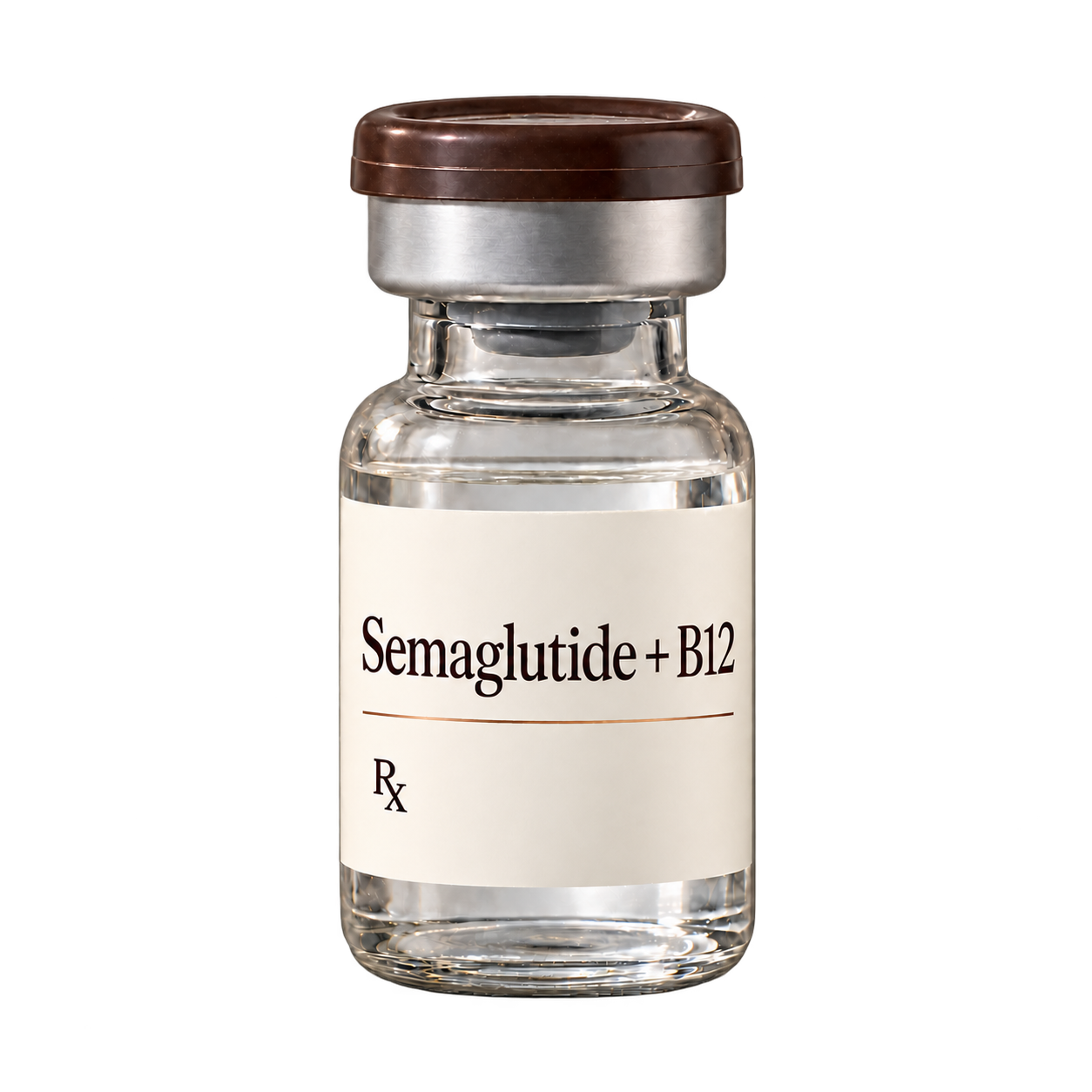
- Semaglutide + B12 is $157/month (billed $157 every 4 weeks), charged only after a clinician approves it.
- Answer a few health questions online. A licensed clinician reviews them. If approved, it ships to your door.
- Adults 18 or older. A licensed clinician reviews your health history and decides whether treatment is appropriate for you. Availability depends on the state you live in.
- A $20 clinician review, refunded if you don’t qualify.


Phentermine hcl 37.5 mg is a prescription medication used short term to help with weight management in people with obesity or overweight plus risk factors, alongside diet, exercise, and behavior change. This page explains what phentermine is, who it may or may not fit, and what safety issues to discuss with a clinician. Vitals Vault can also help you compare weight loss treatment options and decide what questions to bring to a visit.
- Phentermine hcl 37.5 mg is a prescription appetite suppressant for short term weight management with diet and exercise.
- It is a stimulant like medication and can raise heart rate or blood pressure in some people.
- It is not for pregnancy, uncontrolled high blood pressure, hyperthyroidism, glaucoma, or recent MAOI use.
- Common effects include dry mouth, trouble sleeping, and feeling jittery or restless.
- Because it is a controlled substance, safe use includes screening for misuse risk and careful follow up.
What phentermine hcl 37.5 mg is
- Drug name
- Phentermine hydrochloride (phentermine HCl)
- What it is used for
- Short term adjunct to calorie restriction, exercise, and behavior change for weight reduction in people with obesity, or overweight with risk factors
- Drug class
- Sympathomimetic amine anorectic (appetite suppressant)
- Controlled substance
- Schedule IV controlled substance in the United States
- How it is taken
- Oral tablets or capsules, depending on the product
A short term option
Phentermine is indicated for short term use as part of a broader weight management plan. It is not meant to replace nutrition, activity, sleep, and long term habit support. If you are looking for long term medication options, ask a clinician what is appropriate for your health history.
Not a brand specific page
Phentermine HCl is available in multiple FDA approved products. Your prescription may be written as phentermine or phentermine HCl, and the exact tablet or capsule can vary by pharmacy and manufacturer. Always follow the instructions on your prescription label and the patient information that comes with your product.
Requires clinician oversight
Because phentermine affects the nervous system and can impact heart rate, blood pressure, sleep, and mood, clinicians typically screen for contraindications and monitor for side effects. It is also a controlled substance, so prescribing rules and refill policies can be stricter than for many other medications.
How phentermine works for weight management
Reduces appetite
Phentermine is an appetite suppressant. It works by stimulating the central nervous system and influencing neurotransmitters involved in hunger and satiety. For many people, that can make it easier to follow a reduced calorie eating plan.
Can feel stimulating
Because it is a sympathomimetic medication, some people notice increased alertness, restlessness, or difficulty sleeping. These effects are part of why clinicians review your cardiovascular history and other medications before prescribing.
Works best with a plan
Phentermine is labeled as an adjunct, meaning it is added to lifestyle changes rather than used alone. If weight regain has been an issue in the past, ask about strategies for maintaining changes after short term therapy ends.
Who phentermine hcl 37.5 mg is for
Adults with obesity
Phentermine is indicated for adults with obesity, generally defined by body mass index (BMI). A clinician considers your BMI along with your overall health and weight related risks when deciding whether medication is appropriate.
Overweight with risk factors
It may also be used for adults who are overweight and have weight related risk factors such as controlled high blood pressure, diabetes, or high cholesterol. The decision depends on your medical history, current medications, and safety considerations.
People who can follow up
Phentermine is typically prescribed with planned check ins to assess side effects, blood pressure, heart rate, sleep, and progress with nutrition and activity. If you cannot reliably follow up, a clinician may recommend a different approach.
People without contraindications
Before prescribing, clinicians screen for conditions and medications that make phentermine unsafe, including certain heart problems, uncontrolled hypertension, glaucoma, hyperthyroidism, and recent MAOI use. Share your full medication list, including over the counter products and supplements.
Who should not take phentermine
Pregnancy
Phentermine is not recommended during pregnancy. If you are pregnant, think you might be pregnant, or are trying to become pregnant, tell your clinician so they can discuss safer options for you.
MAOI use within 14 days
Do not take phentermine if you are taking a monoamine oxidase inhibitor (MAOI) or have taken one within the past 14 days. This combination can cause dangerous increases in blood pressure.
Certain heart and blood pressure conditions
Phentermine is contraindicated in people with a history of cardiovascular disease and in those with uncontrolled hypertension. Your clinician may check blood pressure and ask about chest pain, shortness of breath, fainting, or prior heart or stroke history.
Hyperthyroidism or glaucoma
Phentermine is contraindicated in hyperthyroidism and glaucoma. If you have thyroid disease or eye pressure problems, make sure your prescriber knows, even if you feel well controlled.
Agitation or substance misuse history
Phentermine is contraindicated in agitated states, and it carries warnings related to abuse and dependence. If you have a history of substance use disorder, discuss it openly so your clinician can choose the safest plan.
What to expect if you are prescribed phentermine
A screening visit first
A clinician typically reviews your weight history, medical conditions, and medication list, and may check blood pressure and heart rate. They may also ask about sleep, anxiety, and substance use history because these can affect safety and tolerability.
Ongoing check ins
Follow up visits are used to monitor side effects, sleep, mood, and cardiovascular measures, and to adjust the overall plan. If side effects are significant or risks outweigh benefits, your clinician may recommend stopping or switching strategies.
Lifestyle support still matters
Phentermine is intended to support a reduced calorie plan and other behavior changes. Many people do better when they pair medication with structured nutrition guidance, realistic activity goals, and sleep and stress support.
Avoid mixing stimulants
Other stimulants, including some decongestants and high caffeine intake, can worsen jitteriness, insomnia, or palpitations. Ask your clinician or pharmacist before adding cold medicines, energy products, or new supplements.
Phentermine side effects and warnings
Dry mouth
Dry mouth is a commonly reported side effect. Sipping water, sugar free gum, and good oral hygiene may help, but tell your clinician if it is severe or causes dental issues. Avoid adding stimulant containing mouth sprays or supplements without checking first.
Trouble sleeping
Insomnia can happen because phentermine has stimulant like effects. If sleep becomes difficult, discuss it with your prescriber rather than trying to counter it with alcohol or sedating medications. Poor sleep can also make weight management harder.
Jittery or restless feeling
Some people feel nervous, restless, or irritable. This can be more likely if you are sensitive to stimulants, have anxiety, or use other stimulant products. Let your clinician know if mood changes are new, intense, or persistent.
Fast heartbeat or palpitations
Phentermine can increase heart rate and may cause palpitations. Contact a clinician promptly if you notice a racing heartbeat, chest discomfort, or dizziness. Seek urgent care for chest pain, fainting, or severe shortness of breath.
High blood pressure
Phentermine can raise blood pressure in some people. If you have hypertension, your clinician may monitor you more closely or choose a different option. Severe headache, vision changes, chest pain, or neurologic symptoms need urgent evaluation.
Misuse and dependence risk
Phentermine is a Schedule IV controlled substance and has warnings for abuse and dependence. Take it only as prescribed and store it securely. If you feel cravings, loss of control, or escalating use, contact your prescriber right away.
Cost and access for phentermine
What drives cost
Your out of pocket cost can vary by pharmacy, manufacturer, dosage form, and whether you are using insurance. Because phentermine is a controlled substance, some pharmacies have stricter dispensing policies that can affect convenience and refill timing.
Insurance coverage varies
Coverage for weight loss medications varies widely across plans. Some plans exclude weight management drugs, while others require prior authorization or documentation of BMI and health risks. Your clinician or pharmacy can help you understand what your plan requires.
Access requires a prescription
Phentermine is prescription only. A clinician must evaluate whether it is appropriate for you, and state laws can affect how controlled substances are prescribed and dispensed.
Labs may be part of evaluation
Clinicians often review recent labs to understand cardiometabolic risk and rule out other contributors to weight change. Lab results do not diagnose obesity, but they can help guide a safer plan.
How to get phentermine safely
- 1
Review your health history
Gather your medication list, medical conditions, blood pressure history, and any prior weight loss treatments.
- 2
Talk with a licensed clinician
A clinician evaluates whether phentermine fits your goals and screens for contraindications and interactions.
- 3
Complete any requested labs or vitals
A clinician may ask for recent lab results before prescribing and may check blood pressure and heart rate.
- 4
Fill the prescription and plan follow up
Use one pharmacy, follow the prescription label, and schedule check ins to monitor side effects and progress.
Frequently Asked Questions
What is phentermine hcl 37.5 mg used for?
Phentermine HCl is used short term as an add on to a reduced calorie diet, exercise, and behavior change for weight reduction in adults with obesity or overweight with risk factors. A clinician decides if it fits your health history.
How long can you take phentermine?
FDA labeling describes phentermine as short term therapy. The right duration depends on your response, side effects, and risk factors, so your prescriber should set expectations and follow up with you.
What should I avoid while taking phentermine?
Avoid taking phentermine with MAOIs or within 14 days of MAOI use. Also ask your clinician or pharmacist before mixing it with other stimulants, including some decongestants and high caffeine products, because side effects can worsen.
Is phentermine a controlled substance?
Yes. Phentermine is a Schedule IV controlled substance and has warnings related to abuse and dependence. Take it only as prescribed and store it securely.
Do I need labs before starting phentermine?
Sometimes. A clinician may ask for recent lab results before prescribing to better understand cardiometabolic risk and overall health. At Vitals Vault, you can start with baseline labs and share results with a clinician if you choose.